
Elaphomyces aculeatus
Elaphomyces aculeatus
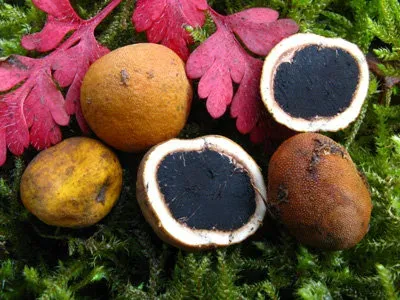
Description
Pathogen
Elaphomyces aculeatus is a species of hypogeous ascomycete fungus. Unlike typical plant pathogens, it primarily exists in a symbiotic relationship with tree roots, forming ectomycorrhizae.
The fungus produces spherical, prickly-surfaced fruiting bodies below the soil level. Its mycelium colonizes the root cortex of host plants, including various species of pine and broad-leaved trees.
The biological nature of the fungus is complex, as it transitions between acting as a harmless symbiont and a drain on the host plant's resources during periods of environmental stress.
Spore dissemination is predominantly facilitated by mycophagous animals, including small mammals, which consume the fruiting bodies and spread spores through their digestive tracts.
In nursery settings, high density of this fungus in the rhizosphere can cause physiological alterations that impede normal growth rates of young seedlings.
Conditions for development
The development of this fungus is highly dependent on acidic, well-drained forest soils, typically found in established coniferous or mixed-wood ecosystems.
Moderate moisture levels are crucial, as the fruiting bodies require consistent hydration during their maturation process, typically in late summer and autumn.
The proximity of compatible host trees is a limiting factor for its distribution, as the fungus relies on the carbohydrate supply provided by the tree roots.
Soil disturbances, such as mechanical cultivation or tilling, create unfavorable conditions for the mycelial networks to establish, effectively reducing their presence.
The fungus is highly sensitive to changes in soil pH; therefore, environments with neutral or alkaline soils significantly inhibit its growth and reproduction cycles.
Why it matters
The primary concern is the nutrient competition between the fungus and the host plant, where the fungus acts as a sink for essential sugars and minerals required for plant development.
Seedlings affected by high colonization levels often show reduced biomass, shorter shoots, and overall poor vigor, which can lead to increased mortality in forest nurseries.
Physical damage to root systems by burrowing animals, attracted to the fruiting bodies of the fungus, serves as a significant secondary risk factor for plant health.
The altered morphology of the root system can cause systemic stress in the plant, making it more susceptible to opportunistic pathogens and adverse environmental factors like drought.
In agricultural and forestry management, widespread presence of this fungus results in reduced crop uniformity and lower survival rates when transplanting seedlings into the field.
Protection
The most effective management strategy involves soil amendment techniques, specifically the application of lime to raise soil pH and discourage fungal proliferation.
Regular cultivation of nursery beds and deep tilling effectively disrupt the established mycelial networks, thereby preventing the formation of new subterranean fruiting bodies.
Crop rotation protocols should be implemented, alternating between host species susceptible to the fungus and non-host plants to reduce long-term inoculum density in the soil.
Monitoring for signs of root stress and potential animal activity around seedling beds allows for early intervention before the fungal colony reaches a damaging threshold.
In cases of severe infestation, the use of soil-applied fungicides may be considered, although this should be balanced against the preservation of beneficial soil microorganisms.
Discussion
No discussions yet — be the first.