
Elaphomyces muricatus
Elaphomyces muricatus
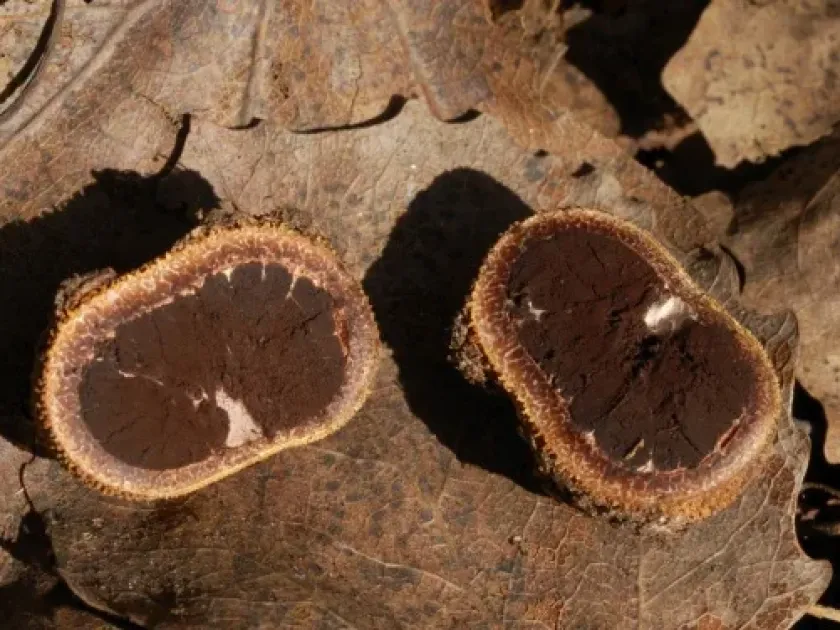
Description
Symptoms
The primary symptom of infection is a general decline in tree health, often accompanied by premature yellowing and dropping of leaves or needles.
Fruiting bodies can be detected by excavating the soil around the tree trunk. They appear as warty, tuberous structures with a brown, spiny surface.
Areas of dense mycelial growth cause deformation of root tips. Infected mycorrhiza typically change color and lose their functional structure.
In the early stages, annual shoot growth slows down, serving as an indirect indicator of disrupted nutrient uptake caused by fungal activity.
Infected trees often become more susceptible to secondary pests, such as bark beetles, due to the loss of overall plant vigor and immune response.
Pathogen
The causal agent of this condition is the ascomycete fungus Elaphomyces muricatus. This organism belongs to the group of subterranean truffle-like fungi that form mycorrhizal associations with tree root systems.
Biologically, it acts as a symbiotic parasite that develops dense fruiting bodies beneath the soil or leaf litter layer. Its spores are spread by animals and soil moisture.
Unlike classic pathogens, Elaphomyces maintains a cryptic lifestyle, developing within the root zone. Its presence is often unnoticed until physical signs of tree decline appear.
The fungus can persist in the soil for long periods by producing resilient spores that survive adverse conditions, making complete eradication in forest ecosystems difficult.
Ecologically, it is a soil-inhabiting saprotroph that, under specific conditions, can transition to negatively impacting the host plant's vital functions.
Conditions for development
Fungal development is most intense in acidic soils with high organic matter content and moderate moisture levels.
The presence of dense forest litter acts as a favorable factor, creating an optimal microclimate for spore germination and mycelial spread.
Outbreaks are most commonly observed in dense forest stands where poor ventilation maintains consistently high soil moisture levels.
The temperature regime of temperate climate zones is ideal for the vegetation of Elaphomyces muricatus, especially during periods of prolonged rainfall.
Poor drainage and water stagnation significantly accelerate the reproduction of the fungus, facilitating mass infection of young tree root systems.
Why it matters
The primary damage results from the competition between the fungus and the tree for minerals and water, leading to physiological exhaustion.
Long-term parasitism causes root system degradation, making the tree less stable against windthrow and mechanical stressors.
In nurseries, this fungus can cause significant mortality among seedlings, leading to substantial economic losses in forestry operations.
Reduced vitality of the stand leads to a loss in timber growth, negatively affecting the quality and commercial value of forest resources.
Progressive infection of forest patches leads to the formation of gaps and eventual stand mortality, necessitating sanitary logging operations.
Protection
Prevention relies on adhering to silvicultural best practices, such as managing water balance and ensuring proper soil aeration.
It is recommended to avoid waterlogging and excessive soil acidification, which are key factors in suppressing the population of this fungus.
In specialized nurseries, effective management involves culling and destroying infected seedlings along with their root balls.
Fungicide application in forests is limited, although targeted use of copper-based preparations may be justified in active infection hotspots.
Regular monitoring of tree health and prompt removal of weakened individuals are essential to prevent the spread of fungal spores.
Discussion
No discussions yet — be the first.