
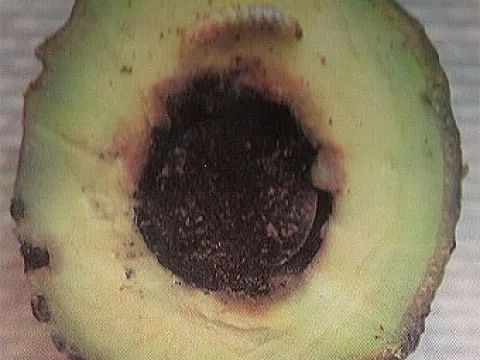
Dothiorella wilt
Dothiorella aromatica
The disease is caused by the fungus Dothiorella aromatica (syn. Botryosphaeria dothidea), an ascomycete pathogen that affects a wide range of woody species.
What the section contains
Dothiorella wilt
The fungus is a facultative parasite, capable of colonizing living tissues through wounds, pruning cuts, or frost cracks while also surviving as a saprophyte on dead wood.
It reproduces through pycnidia, small black fruiting bodies that develop on the surface of infected branches, releasing spores during periods of rainfall and high humidity.
The pathogen's mycelium penetrates the xylem vessels, disrupting the hydraulic system of the tree and leading to systemic physiological collapse.
Survival of the fungus in dormant wood allows it to remain present in the orchard environment year-round, serving as a continuous source of inoculum for new infections.
The most distinctive symptom is the sudden wilting and browning of foliage on individual branches, which remain attached to the tree long after the branch has died.
Localized cankers develop on the bark, appearing as dark, sunken, or cracked areas that often exude amber-colored sap (gummosis) as a defense mechanism.
Cross-sections of affected limbs reveal a characteristic brown or reddish-brown discoloration of the sapwood, caused by fungal toxins and the tree's reaction to the pathogen.
As the disease progresses, leaves may yellow before wilting, and the tree may show signs of overall canopy thinning due to the death of major scaffold branches.
In advanced stages, the fungal infection can girdle the trunk, causing the entire tree to decline rapidly and eventually perish.
Environmental conditions favoring the disease include warm temperatures and high humidity, which facilitate spore dispersal and infection through fresh wounds.
Trees subjected to water stress, especially during prolonged droughts, are significantly more susceptible to Dothiorella invasion and rapid colonization.
Mechanical injuries caused by improper pruning, pest activity, or weather events serve as primary entry points for fungal spores into the host plant.
High planting density, which limits air circulation within the canopy, creates a microclimate that retains moisture and encourages the spread of the pathogen.
Poor orchard sanitation, specifically the failure to remove infected prunings, provides a massive reservoir for the fungus to spread to healthy trees.
Dothiorella wilt causes substantial losses by killing productive limbs, leading to a direct decline in total fruit yield and orchard profitability.
The wood becomes brittle due to fungal degradation, increasing the risk of structural failure and branch breakage during storms or heavy crop loads.
The disease negatively impacts the aesthetic value of the trees and can eventually necessitate the removal and replacement of mature, high-value specimens.
Infected trees may suffer from stunted growth, reduced vigor, and increased susceptibility to secondary pests and environmental pressures.
Left unmanaged, the pathogen can spread through an entire orchard, causing long-term degradation of the plantation's health and economic viability.
Effective management relies on aggressive sanitation, which includes pruning out all affected branches well below the visible symptoms and disposing of the debris by burning.
All pruning wounds should be treated with appropriate fungicidal sealants or paints to prevent the colonization of the exposed tissue by fungal spores.
Copper-based fungicide applications during the dormant season are essential for reducing the inoculum load on the bark surface of the trees.
Maintaining optimal tree health through proper irrigation, fertilization, and pest management programs is critical for enhancing the natural defenses of the orchard.
- Sterilize all pruning tools with a disinfectant solution between trees.
- Promote good air circulation through proper canopy thinning.
- Monitor trees closely for signs of cankers and gummosis.
- Avoid irrigation methods that wet the bark and foliage unnecessarily.