
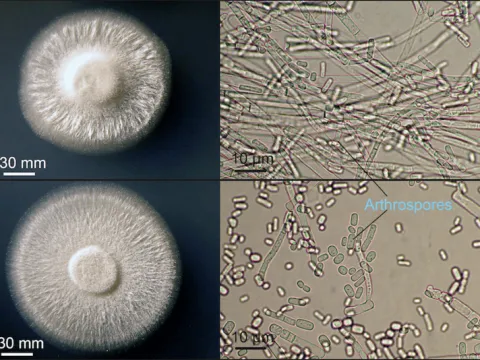
Dipodascus
Dipodascus
The disease is caused by microscopic ascomycetous fungi of the Dipodascus genus. This pathogenic organism often behaves as a saprotroph but can switch to a parasitic lifestyle under favorable conditions.
What the section contains
Dipodascus
The fungus invades various plant tissues by entering through mechanical wounds. Its mycelium actively proliferates, disrupting cell wall integrity and absorbing host nutrients.
The pathogen reproduces by forming spores, which are easily disseminated by wind, water droplets, and insect vectors, facilitating rapid infection spread across the field.
A biological hallmark of this species is its high enzymatic activity. The fungus secretes specific substances that soften plant tissues, preparing the environment for further disease development.
While often found in agro-ecosystems as a secondary invader complicating other diseases, this pathogen can also act as a primary infectious agent.
The primary symptom of Dipodascus is the appearance of a characteristic white or creamy mold on the surface of affected plant parts, consisting of mycelium and spore masses.
Infected tissues gradually soften, taking on a water-soaked, mushy texture. Over time, necrotic spots frequently appear, accompanied by tissue discoloration to brown or dark brown.
Fruits or stems may show significant deformation and premature wilting. Under high humidity, affected areas often become slimy, a clear indicator of the active fungal growth phase.
A distinctive feature is the presence of a specific acidic or fermentative odor, resulting from the fungus's metabolic activity within the host tissues.
Microscopic examination of the affected tissues reveals septate hyphae, which helps distinguish Dipodascus infection from other common types of soft rot.
The key factor promoting the development of Dipodascus is high air and soil humidity. Rainfall, fog, and dew create an ideal environment for spore germination.
The optimal temperature range for fungal mycelium growth is between 18 and 25 degrees Celsius, which significantly shortens the incubation period of the disease.
Dense crop stands with poor ventilation facilitate moisture accumulation in the canopy, creating a favorable microclimate for localized infection outbreaks.
Open wounds on plants—caused by hail, insect activity, or poor agricultural practices—greatly increase infection risk, as the pathogen struggles to penetrate intact cuticles.
Lack of proper crop rotation and the accumulation of crop residues in the field allow the fungus to overwinter, ensuring a recurring infection cycle in subsequent seasons.
Dipodascus significantly compromises crop quality by causing fruit and vegetable decay during storage, leading to substantial economic losses for producers.
Early-season infection weakens the plant's photosynthetic capacity, which results in a sharp decrease in biomass and overall yield potential.
Damaged tissues lose commercial value and become unsuitable for sale or long-term storage, often serving as a reservoir for secondary infections.
Disruption of metabolic processes in infected tissues leaves the plant energy-deficient and more susceptible to further attack by other pathogens and secondary pests.
In cases of severe outbreaks without appropriate intervention, complete crop loss can occur in specific sections of the field.
Strict adherence to crop rotation is the foundation of disease management. Do not return susceptible crops to the same field more frequently than once every 3 to 4 years.
Properly remove and destroy crop residues after harvest, as these serve as the primary reservoir for the fungus to survive the winter period.
Use only high-quality, certified seeds. If necessary, ensure seeds are treated with appropriate systemic fungicides to prevent early-stage infection.
Integrated pest management is crucial; controlling insect vectors that damage plant tissues is a key step in preventing the entry of the pathogen.
During high-risk conditions or early epidemic signs, the application of systemic fungicides is recommended to suppress fungal growth within the host tissues.