
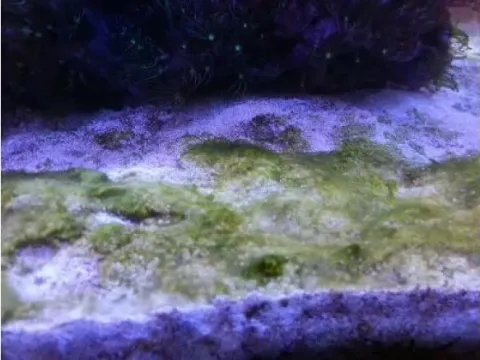
Dinoflagellates
Dinoflagellata
Dinoflagellates (Dinoflagellata) are a large group of single-celled eukaryotic organisms that play a significant role in aquatic ecology and can act as biotic stressors in intensive plant cultivation.
What the section contains
Dinoflagellates
These organisms are characterized by the presence of two flagella, which allow them to move effectively in nutrient-rich aqueous environments used in hydroponic systems.
While not primary pathogens of plant tissues, they compete for nutrients and can significantly alter the biological and chemical quality of the irrigation medium.
Some species are capable of producing potent toxins that can be harmful when absorbed by the root system of agricultural crops grown in recirculating water systems.
They are fundamentally flagellated protists, with complex cell coverings and organelles that allow them to adapt to diverse environmental conditions in greenhouses.
The proliferation of dinoflagellates is often triggered by high concentrations of dissolved nutrients, particularly phosphorus and nitrogen, in the irrigation water.
Extended light exposure and temperatures ranging from 20°C to 28°C create optimal conditions for their rapid exponential growth in nutrient solution tanks.
Stagnant water in irrigation pipes and lack of adequate circulation in reservoirs act as breeding grounds for these microorganisms.
Presence of organic matter in the system supports mixotrophic species, allowing them to persist even in conditions with limited light availability.
Failure to maintain water hygiene standards in closed-loop systems quickly leads to the development of algal blooms, which complicates the growth of the target crop.
The primary concern is the release of secondary metabolites or toxins that can damage root tissues, causing reduced nutrient uptake and stunted plant growth.
They contribute to the formation of biofilm, which can clog irrigation equipment such as drippers, emitters, and spray nozzles, disrupting the consistency of fertigation.
Dinoflagellates cause fluctuations in pH levels, making essential minerals less bioavailable to the plants, leading to deficiency symptoms like chlorosis.
Their mass development consumes oxygen dissolved in the water, leading to hypoxia in the root zone, which negatively impacts the overall plant health.
In severe cases, the physiological stress induced by these organisms makes plants more susceptible to secondary fungal or bacterial infections.
The most effective strategy is the installation of UV-sterilization units within the water circulation system to neutralize microbial populations before they reach the plants.
Regular sanitation of water reservoirs and pipes using hydrogen peroxide or approved commercial disinfectants is essential to eliminate biofilms.
Implementing mechanical filtration systems, such as screen or disc filters with high precision, can significantly reduce the concentration of dinoflagellate cells.
Chemical control via selective algicides should be applied carefully, ensuring compliance with local regulations regarding use in food-producing greenhouses.
- Use of UV-C sterilizers
- Regular cleaning of nutrient tanks
- Monitoring of electrical conductivity
- Adequate aeration of water
- Preventing light access to water reservoirs