
Dinophyceae
Dinophyceae
Description
Symptoms
Symptoms often manifest as root stress in crops grown in flooded fields or liquid media. Roots may darken and exhibit signs of stunted development.
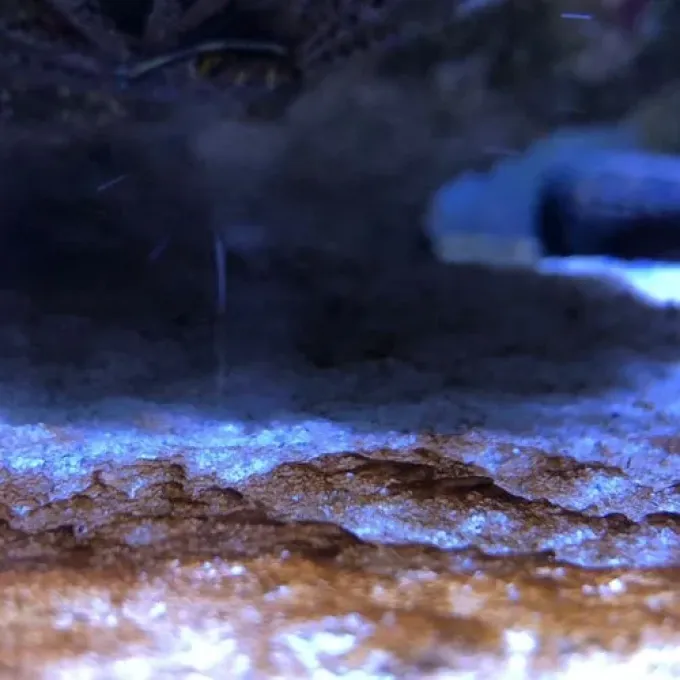
The water itself often develops a discolored surface film, which can range from rusty brown to greenish, depending on the concentration and species of the dinoflagellates present.
Foliar chlorosis and general loss of vigor are common indicators. This is usually caused by the restriction of nutrient uptake and the oxygen-depleting activities of the algae.
Growth retardation is a primary sign observed in young crops. The plants struggle to maintain their development rate due to the presence of metabolic toxins in the root zone.
In advanced cases, an unpleasant organic odor can be detected around the affected areas, indicating high algal density and subsequent organic matter decomposition.
Pathogen
Dinophyceae, commonly known as dinoflagellates, are a large group of flagellate protists. While they are natural components of aquatic ecosystems, they can become significant agricultural challenges in specific water-based settings.
These organisms are classified by their ability to photosynthesize or exist as heterotrophs. In agricultural environments, they act as opportunists that thrive when nutrient levels are imbalanced.
They possess two flagella, which give them the mobility required to colonize nutrient-rich water sources, such as irrigation ponds or hydroponic reservoirs, very quickly.
The biology of these organisms is complex, as some species produce potent phycotoxins that can interfere with the physiological processes of higher plants in the vicinity.
They are distinct from conventional pathogens, as their harm is often mediated through environmental modification rather than direct infection of plant tissues.
Conditions for development
Proliferation is primarily driven by high water temperatures and prolonged light exposure. These factors accelerate the metabolic rates of the organisms.
Excessive nutrient loading, particularly nitrogen and phosphorus runoff, creates a favorable environment for explosive growth, a phenomenon known as an algal bloom.
Stagnant water conditions are ideal for Dinophyceae. A lack of flow or circulation in irrigation systems allows these organisms to accumulate to toxic levels.
Changes in water chemistry, including pH fluctuations, can provide a competitive advantage to dinoflagellates over other beneficial microorganisms in the water.
Poorly maintained irrigation channels that collect sediment provide a continuous source of nutrients and organic matter, sustaining long-term populations.
Why it matters
The primary harm is related to the depletion of dissolved oxygen during nighttime, which causes hypoxia in crop roots. This damage limits the plant's ability to absorb essential nutrients.
Toxins released by certain species can have systemic effects on crop development, leading to reduced yield and poor product quality that may fail safety standards.
Increased operational costs are a major concern, as farmers must invest in water filtration, frequent cleaning of equipment, and specialized chemical treatments.
The blockage of irrigation pipes and sprinkler heads due to thick algal mats can lead to infrastructure failure and significant management headaches.
Crops subjected to this stress are frequently more susceptible to secondary infections, as their natural defense mechanisms are weakened by the harsh aquatic environment.
Protection
The most effective strategy involves rigorous water quality management. Preventing nutrient runoff into irrigation reservoirs is the first line of defense.
Implementing active aeration and circulation systems helps keep the water oxygenated and prevents the accumulation of algal populations.
- Periodic cleaning of reservoirs to remove organic sediment.
- Using UV filtration systems to neutralize microbial growth in hydroponic setups.
- Selective application of approved algicides during early infestation stages.
- Regular monitoring of water parameters to detect bloom conditions before they escalate.
Maintaining the overall cleanliness of the irrigation infrastructure reduces the long-term potential for Dinophyceae blooms, ensuring healthier crop production cycles.
Discussion
No discussions yet — be the first.