
Didymella blight
Didymella sancta
The causal agent of Didymella blight is the fungus Didymella sancta, a member of the ascomycetes class known for its impact on plant tissue.
What the section contains
Didymella blight
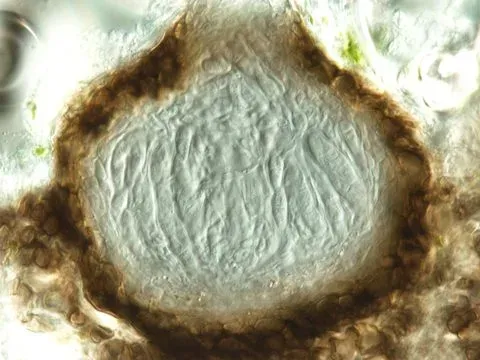
The fungus survives in dead plant debris throughout the winter in the form of pycnidia and perithecia, waiting for favorable conditions.
Infection spreads through the release of conidia, which are efficiently dispersed by splashing rain and high-velocity wind patterns.
Didymella sancta penetrates host plants primarily through stoma or accidental micro-wounds on stems and leaf stalks during wet weather.
The biological cycle of this pathogen is highly synchronized with the growth stages of susceptible plant species in the spring and summer.
The primary symptom includes the emergence of reddish-brown spots on stems, which eventually expand into larger necrotic lesions.
As the infection progresses, the centers of these lesions become pale or white, often surrounded by a dark margin or ring.
Stem tissues eventually develop longitudinal cracks, which can severely compromise the structural integrity of the plant.
Leaf symptoms appear as angular necrotic spots, often leading to chlorosis and subsequent yellowing of the surrounding tissue.
Small black fruiting bodies of the fungus may become visible on the surface of the lesions under high-humidity conditions.
Prolonged periods of moisture and high humidity are the primary drivers for the rapid development and spread of Didymella blight.
The fungus thrives in moderate temperature ranges, making spring and early summer the most critical periods for preventative action.
Poor aeration within dense crop canopies creates a microclimate that prevents leaves and stems from drying, aiding fungal germination.
Inadequate field sanitation allows the pathogen to remain present in the soil and debris, re-infecting new growth every year.
High nitrogen levels in soil can create succulent, soft growth that is significantly more vulnerable to penetration by the fungal hyphae.
Didymella blight causes severe damage by disrupting the plant's vascular system, leading to the wilting and death of branches.
The disease reduces overall photosynthetic capacity, which directly results in diminished fruit size and lower yield potential.
In ornamental species, the infection leads to significant aesthetic loss and structural instability of the plant, often rendering it unsalable.
Persistent infestations weaken the plant's natural immune system, making it susceptible to secondary bacterial and fungal pathogens.
Economic losses include both the immediate reduction in harvest quality and the long-term cost of implementing intensive control strategies.
Integrated pest management starts with strict field hygiene, including the removal and destruction of all infested plant material after harvest.
Regular pruning of symptomatic shoots is essential to minimize the inoculum load within the garden or field environment.
Promoting airflow through proper spacing and training techniques helps keep plant surfaces dry, which inhibits spore germination.
Chemical control involving systemic and contact fungicides should be applied proactively based on weather forecasts and historical presence.
- Application of copper-based protectants
- Using resistant cultivars for future plantings
- Monitoring fields for early signs of lesions
- Balanced fertilization to optimize plant vigor