
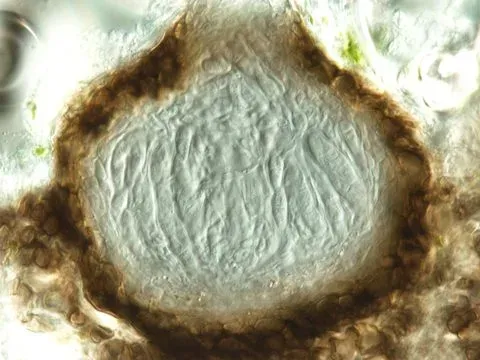
Didymella leaf spot
Didymella holci
The disease is caused by the fungus Didymella holci (anamorph Phoma holci). It is a specialized fungal pathogen that affects various cereal species and grasses, surviving primarily in crop residues.
What the section contains
Didymella leaf spot
The fungus produces pycnidia, which serve as the primary source of infection in early spring. Spores (conidia) are dispersed by wind and splashing raindrops, facilitating rapid spread across the field under suitable environmental conditions.
The pathogen colonizes leaf tissues and can penetrate via stomata or epidermal wounds. Once inside, the mycelium develops intercellularly, disrupting cell metabolism and reducing the photosynthetic efficiency of the host plant.
Didymella holci is capable of surviving for long periods in the soil and on stubble. This persistence makes it a recurring threat in agricultural systems where crop rotation is not strictly followed.
The life cycle is closely tied to humidity levels. In temperate climates, the fungus completes multiple infection cycles during a single growing season if weather conditions remain favourable for its development.
The first symptoms appear as small, chlorotic, and water-soaked spots on the lower leaves. These lesions gradually expand and often develop a brownish or greyish center with a distinct dark margin.
Tiny black spots, known as pycnidia, emerge on the surface of these necrotic lesions. These fruiting bodies are a key diagnostic feature for identifying the disease in the field.
As the infection progresses, individual lesions can coalesce, causing large sections of the leaf blade to wither and die. This premature senescence significantly reduces the green leaf area available for grain filling.
While leaf blades are the primary target, the infection can spread to leaf sheaths and occasionally to the culms. Heavily infected plants may show general chlorosis and stunted growth, especially in dense or poorly ventilated stands.
Under high humidity, a fine, velvety fungal growth may be visible on the underside of the leaves. This sign is often followed by tissue collapse as the pathogen kills the plant cells.
The development of Didymella leaf spot is strongly favored by periods of high humidity and moderate temperatures (typically 18–22°C). Extended rainfall facilitates both sporulation and transmission between plants.
High planting density contributes to an unfavorable microclimate. Dense canopies trap moisture and reduce sunlight penetration to the lower leaves, creating an environment where the fungus thrives.
Poor crop residue management is a major driver of the disease. Leaving stubble on the soil surface provides an ideal reservoir for the fungus to overwinter and re-infect subsequent crops.
Excessive nitrogen fertilization can lead to a lush, tender canopy that is more susceptible to infection. Balanced nutrient management is necessary to maintain plant vigor and natural resistance.
Cool, wet springs are particularly dangerous, as they allow for the initial infection cycles to become established. Once the disease is present in the lower canopy, rapid spread can occur if the summer remains humid.
The economic impact of Didymella leaf spot is largely due to the reduction in total photosynthetic area. Loss of functional leaves during the grain-filling stage directly impacts both grain yield and quality.
Affected crops often exhibit reduced grain weight and lower specific weight. This translates into significant financial losses for producers, especially if the disease reaches epidemic levels.
Plants weakened by the disease are more vulnerable to other pathogens and environmental stressors, such as drought or heat waves. This cumulative stress can result in lodging or premature crop death.
In cases of severe infestation, the disease can cause yield losses ranging from 10% to 20%. Increased management costs for fungicides further diminish the overall profit margin of the cereal operation.
For forage cereals, the presence of the fungus and associated secondary decay organisms can lower the nutritional value and palatability of the feed, potentially affecting livestock health.
Crop rotation is the most effective management strategy. Growing non-host crops in rotation for at least two years helps reduce the inoculum pressure in the soil and on the surface.
Proper soil tillage is crucial for burying infested crop debris. Accelerating the decomposition of plant residues helps eliminate the primary source of the fungus before the next growing season.
Selecting resistant or tolerant cereal cultivars provides a robust layer of defense. Resistant varieties minimize the need for chemical intervention and stabilize yields even under pressure from the pathogen.
Fungicide application during the growing season is necessary when environmental conditions promote severe disease development. Systemic fungicides are particularly effective at halting the spread of the fungus.
- Implementation of balanced fertilization plans to avoid nitrogen excess.
- Control of grassy weeds that can serve as alternative hosts for the fungus.
- Optimizing seeding rates to ensure good airflow within the canopy.
- Use of certified, fungicide-treated seeds to ensure clean starting material.