
Dichostereum
Dichostereum
The genus Dichostereum belongs to the family of corticioid fungi. These are wood-decaying fungi that play a significant role in the degradation of forest and garden tree tissues.
What the section contains
Dichostereum
Biologically, these fungi are Basidiomycetes that develop fruit bodies on the surface of bark or wood, signaling an established internal infection.
The pathogen typically enters through mechanical injuries, pruning cuts, or frost cracks where the cambium is exposed to environmental pathogens.
Once inside, the mycelium spreads through the xylem and phloem, breaking down cellulose and lignin and causing structural weakening of the host.
The life cycle involves the release of basidiospores that are disseminated by wind, rain, or insects to land on vulnerable hosts and start new infections.
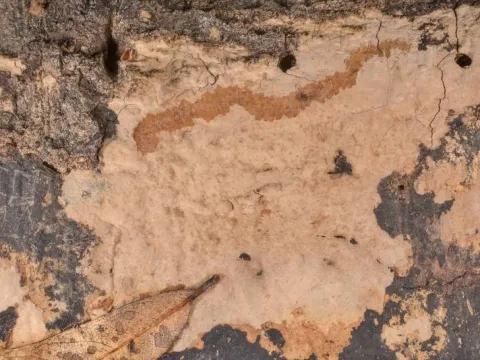
The most visible symptom is the formation of resupinate, crust-like or leathery fruit bodies on the surface of the bark or exposed wood.
Affected wood often shows signs of decay, changing color and losing structural integrity, which may eventually lead to white rot.
Leaves on infected branches may exhibit chlorosis, premature yellowing, or wilting as the fungus disrupts the transport of water and nutrients.
Cracks in the bark and the presence of necrotic areas are common indicators that the mycelium has significantly damaged the inner tissue.
- Leathery fungal patches on bark
- Visible decay or white rot in wood
- Wilting of specific branches
- Reduced structural strength of the trunk
High moisture levels and prolonged periods of humidity are the primary conditions that trigger the germination of fungal spores and growth of mycelium.
Poor ventilation within dense tree canopies prevents rapid drying of the bark, creating a favorable microenvironment for the pathogen to thrive.
Any breach in the bark, such as pruning wounds or animal damage, provides an entry point that the fungus exploits to penetrate deep into the wood.
Moderate temperatures, generally between 15°C and 25°C, are optimal for the rapid metabolic activity and spread of the fungus inside the tree.
Trees that are already stressed by drought, nutrient deficiency, or environmental factors are significantly more susceptible to infection by Dichostereum.
The primary damage caused by Dichostereum is the internal rotting of wood, which severely compromises the tree's mechanical stability.
Over time, the infection can lead to the death of major branches or the entire tree, especially if the structural integrity of the main trunk is affected.
The fungus reduces the overall vigor of the host plant, resulting in poor growth, reduced yield, and increased susceptibility to other diseases.
The presence of this fungus in a garden environment necessitates the removal of infected material to prevent the spores from spreading to neighboring healthy trees.
Long-term harm includes the loss of mature trees and the associated costs of removal and replacement of affected plants in the landscape.
Sanitation is the most critical control measure: remove all dead or infected branches and destroy them immediately to reduce the local spore load.
Proper wound care, such as sealing large pruning cuts with antifungal tree paint, prevents spores from establishing an initial infection site.
Disinfecting pruning tools between different trees is a vital practice to ensure that the fungus is not transferred from infected to healthy specimens.
Ensuring adequate tree spacing and thinning the canopy helps improve air circulation, making the environment less hospitable to wood-decaying fungi.
Regular monitoring of tree health, combined with balanced fertilization and appropriate irrigation, keeps trees resistant to most fungal pathogens.