
Dermea canker
Dermea
The causative agent of Dermea canker is a fungus belonging to the genus Dermea (such as Dermea cerasi or Dermea prunastri). These are ascomycete fungi that primarily colonize the bark of woody plants.
What the section contains
Dermea canker
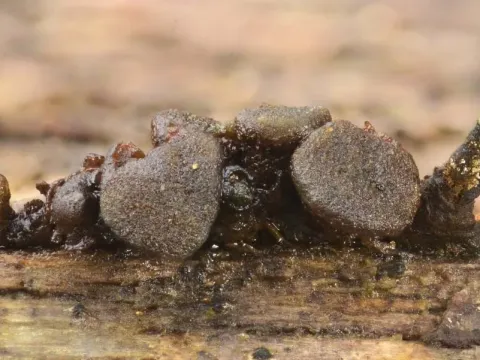
The pathogen completes its life cycle within the host's bark, producing small, cushion-shaped fruiting bodies known as apothecia. These structures often emerge through cracks in the bark during the spring season.
Spore dispersal is primarily driven by rain splash and wind, allowing the fungus to spread effectively among trees in an orchard. The pathogen can survive for several years within infected bark tissues.
Fungal infection typically initiates through wounds caused by pruning, frost cracks, sunscald, or insect feeding. These damaged areas provide the necessary entry points for the mycelium to colonize the tree.
The disease progression is closely linked to the physiological status of the tree. Plants stressed by environmental factors or poor horticultural practices are significantly more susceptible to infection.
The primary symptom of Dermea canker is the development of necrotic lesions on branches and trunks. As the infection progresses, the bark becomes discolored, sunken, and eventually cracks.
Gumming or resin exudation is a common defense response observed around the margins of the infected bark. Over time, the bark may peel away, exposing the necrotic underlying wood tissue.
Under humid conditions, small dark fruiting bodies may appear on the surface of the dead bark. These structures are essential diagnostic features for identifying the specific presence of the Dermea fungus.
The gradual dieback of individual limbs or major branches is a typical consequence of the fungus disrupting the tree's vascular system. Leaves on infected limbs may show yellowing and wilting before falling prematurely.
If the infection girdle the main trunk, the tree will lose its ability to transport nutrients and water, eventually leading to the death of the entire plant above the point of infection.
Dermea development is highly favored by cool and wet weather conditions, which are typical during the early spring or late autumn months. Excessive humidity is crucial for spore germination.
Trees undergoing stress from late spring frosts, poor soil fertility, or drought are at a much higher risk of being colonized by the pathogen. Environmental stressors weaken the tree's natural defense mechanisms.
Poor orchard sanitation, characterized by dense canopy foliage and lack of proper airflow, promotes the accumulation of moisture and increases the likelihood of fungal establishment on the bark.
Nutrient imbalances, particularly deficiencies in essential minerals, can compromise bark integrity, making it easier for the fungal mycelium to penetrate and spread within the tissue.
The presence of unpruned dead wood and neglected debris in the orchard creates a continuous reservoir for spores, facilitating the rapid spread of the disease across the planting area.
Dermea canker causes significant economic damage in orchards by inducing branch dieback and, in severe cases, the complete death of fruit trees. It severely impacts the overall productivity of the plantation.
Yield loss occurs not only through the direct death of fruit-bearing branches but also due to the overall physiological decline of the tree, which diverts energy from fruit development to defense.
Radical pruning required to manage the disease often leads to structural deformities in the tree's canopy, which significantly reduces the tree's lifespan and future cropping potential.
Managing an infected orchard requires substantial financial investment in fungicides, labor for intensive monitoring, and constant removal of infected plant materials to contain the pathogen.
Failure to control the disease can result in total plantation loss, as the high reproductive capacity of the fungus allows it to devastate young, developing orchards in just a few seasons.
The cornerstone of management is strict sanitation, which involves the timely removal and destruction of all infected branches, ensuring cuts are made into healthy, living wood.
- Sterilizing pruning tools after each cut to prevent cross-contamination.
- Properly treating wound areas with wound sealants or protective paints.
- Applying white latex paint to trunks to prevent sunscald damage.
- Implementing balanced fertilization programs to enhance tree vigor.
- Using copper-based fungicides during early spring to inhibit spore germination.
All pruned materials must be immediately removed from the orchard and burned or buried, as they serve as potent sources of inoculum for the following growing season.
Consistent orchard monitoring is vital, as early detection allows for surgical removal of infected limbs, preventing the disease from reaching the main trunk or scaffold branches.
A comprehensive approach combining cultural practices and chemical prevention is necessary to maintain long-term orchard health and mitigate the impact of Dermea canker.