
Dermoloma
Dermoloma
Description
Symptoms
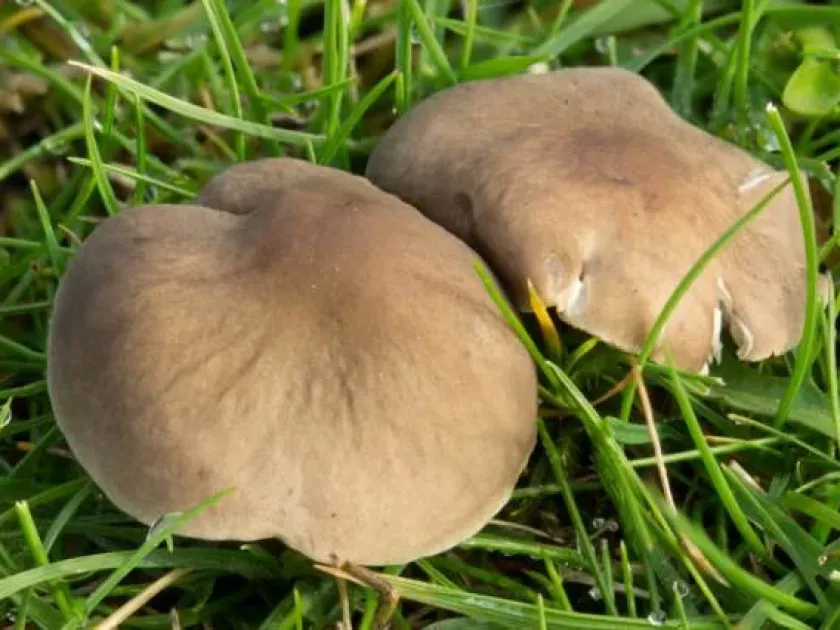
The fruiting bodies of Dermoloma are typically small, characterized by a greyish or brownish cap with a distinctive powdery surface texture.
They usually appear in clusters or solitary forms directly on the soil surface, especially in grasslands or areas with undisturbed organic layers.
Since the fungus is not pathogenic, there are no symptoms such as wilting, leaf spots, tissue necrosis, or stunted growth associated with its presence.
The mycelium resides in the upper soil horizons and does not interact with the root systems of crops in a way that would cause physiological stress.
Observers should distinguish these harmless soil fungi from true plant pathogens by the total absence of symptoms on the plant itself.
Pathogen
The genus Dermoloma belongs to the family Tricholomataceae and is widely recognized by mycologists as a group of saprotrophic fungi.
It is important to clarify that Dermoloma is not a plant pathogen and does not cause diseases in crops, ornamental plants, or trees.
These fungi derive their nutrition from decaying organic matter, such as leaf litter and soil humus, and have no parasitic relationship with living host plants.
The presence of this fungus is often a marker of high soil quality and ecological balance, rather than an indication of a phytopathological threat.
Misclassification of this genus as a plant disease agent is scientifically incorrect and inconsistent with established agricultural pathology data.
Conditions for development
Dermoloma species thrive in environments that feature stable soil conditions, often preferring neutral to slightly alkaline soil types.
They are frequently found in meadows, pastures, and semi-natural grasslands where the soil structure remains relatively undisturbed.
Adequate soil moisture and moderate temperatures are essential for the formation of their fruiting bodies, typically occurring in late summer and autumn.
These fungi are sensitive to intensive chemical fertilization and high levels of synthetic pesticides, which often cause their local extinction.
The accumulation of decomposing organic matter provides the necessary substrate for their development, helping the soil return nutrients to the ecosystem.
Why it matters
There is zero economic harm or agricultural damage associated with the Dermoloma genus, as it poses no threat to harvest yields or plant health.
These fungi do not compete with crops for resources, nor do they secrete any toxins that could negatively impact plant growth or seed quality.
Attempting to remove or eradicate these fungi would be an unnecessary use of financial and chemical resources for the grower.
They serve as beneficial contributors to soil health by accelerating the decomposition process, which is advantageous for long-term soil fertility.
In a standard agricultural context, Dermoloma should be viewed as an indifferent or helpful inhabitant of the soil ecosystem.
Protection
No control measures are required for Dermoloma, as there is no basis for treating it as a pest or a disease agent.
Prevention is not necessary because the fungus does not damage agricultural production; it is a natural component of healthy microbial soil communities.
Implementing fungicide treatments specifically to target this genus is counterproductive and harmful to the natural soil flora.
Sustainable agricultural practices and crop rotation are sufficient to maintain a balanced soil environment that naturally regulates these fungi.
If these fungi are observed, they are a sign of a healthy and active soil food web, which should be encouraged rather than eradicated.
Discussion
No discussions yet — be the first.