
Dermatosorus
Dermatosorus
The disease is caused by fungi belonging to the genus Dermatosorus, which are classified as smut fungi. These pathogens are highly specialized, often targeting specific hosts within the Cyperaceae family, such as Carex and Kobresia species.
What the section contains
Dermatosorus
The fungus develops internally within the host tissue, specifically colonizing reproductive organs. The mycelium absorbs nutrients, effectively stealing energy from the plant to fuel its own sporulation process.
The biological cycle of this fungus involves the production of teliospores, which act as the primary inoculant. These spores are capable of remaining dormant in the environment until conditions become suitable for infection.
Once the fungal mycelium establishes itself, it disrupts the normal metabolic processes of the host plant. This systemic interaction often leads to significant anatomical changes in the affected plant organs.
The spread of the pathogen is largely dependent on the dispersal of spores via wind or water. Once a plant is infected, the fungus can continue to produce spores that serve as sources for secondary infection cycles throughout the season.
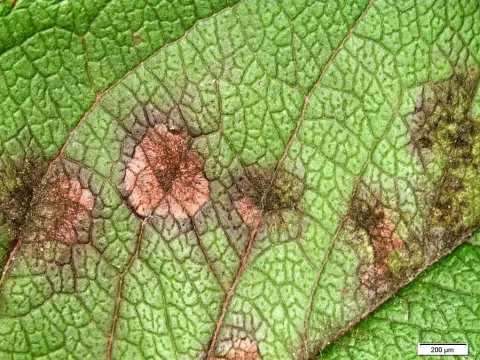
The most visible sign of infection is the development of pustules or sori, which typically form within the flower spikes or leaves of the sedge. Initially, these are small, compact swellings.
As the infection matures, the epidermis covering the sori ruptures, releasing a dusty mass of dark-colored spores. This dusting effect is a hallmark of many smut diseases and can easily be observed in the field.
Plants affected by Dermatosorus often display stunted growth and general malaise. Severe infections lead to the total deformation of reproductive spikes, preventing the plant from producing viable seeds.
Chlorosis and premature browning of tissues around the infected sites are common. In some cases, the entire shoot may become brittle, twisted, and structurally compromised due to the fungal growth.
- Dark, charcoal-colored sori or pustules.
- Dusty, spore-filled masses within spikes.
- Significant deformation of floral structures.
- Yellowing and premature necrosis of leaves.
The development and spread of Dermatosorus are strongly favored by high humidity levels. Periods of prolonged rainfall during the growing season create the ideal environment for spore germination and infection.
Optimal infection temperatures for most smut fungi typically fall within the moderate range, which allows the fungus to rapidly colonize host tissues during the active growth phases of the sedge.
High plant density acts as a critical factor for the spread of the disease. In thick populations of sedges, spores easily transfer between adjacent plants, leading to localized outbreaks or epiphytotics.
The presence of overwintering fungal structures in plant debris serves as the primary reservoir for early-season infections. When environmental conditions improve in spring, these dormant spores become active.
Poor air circulation, often found in dense, overgrown areas, helps maintain a high-humidity microclimate around the plants, significantly increasing the probability of successful fungal colonization.
The primary impact of Dermatosorus is the dramatic reduction in reproductive success. By destroying the floral parts of the host, the fungus effectively halts the plant's ability to reproduce via seeds.
In ecological settings, the disease plays a role in population dynamics, influencing the distribution and frequency of sedges in the landscape. It serves as a selective pressure within natural plant communities.
For horticultural and landscaping uses, the infection ruins the aesthetic quality of ornamental sedges. The presence of black, sooty spore masses makes the plants unsuitable for decorative displays.
Affected plants are physiologically weakened and become more susceptible to additional environmental stresses, such as drought, extreme cold, or opportunistic secondary bacterial infections.
While not a major agricultural threat, Dermatosorus can affect the biomass quality in natural pastures or managed meadow habitats where sedges are a component of the forage mix.
Effective management begins with sanitation. It is essential to remove and destroy infected plant parts or entire plants as soon as the first signs of pustules appear, ideally before the spores are released.
Maintaining proper spacing in ornamental plantings is a key preventative measure. Good airflow helps reduce humidity, making the environment less hospitable for the growth of the fungal pathogen.
At the end of the growing season, clearing away all dead plant debris is crucial. This practice significantly reduces the amount of inoculum available in the soil for the following spring.
In cases of severe infestation, targeted application of appropriate fungicides can be considered, though this is rarely practical for large-scale sedge habitats or natural meadows.
Regular monitoring of plant health allows for early detection of the disease. By taking swift action, growers can prevent small local infections from escalating into large-scale outbreaks within a collection.