
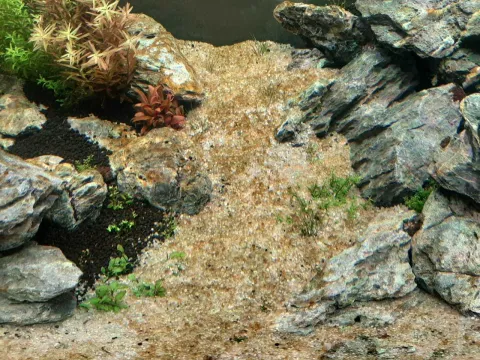
Cymbella algae
Cymbellales
Cymbella algae belong to the order Cymbellales, part of the diatom class (Bacillariophyceae). These are microscopic single-celled organisms distinguished by their silicified cell walls and asymmetric body structure.
What the section contains
Cymbella algae
In agronomy, they are not primary parasites, but their massive colonization on moist surfaces can significantly inhibit plant development. These organisms are autotrophic and rely on photosynthesis for energy.
They often form dense biofilms on soil surfaces, potting media, or hydroponic trays. Their ability to adapt to varying light and moisture conditions makes them persistent colonizers in indoor farming environments.
Propagation occurs through vegetative cell division or sexual reproduction, allowing them to rapidly cover new areas. Their resilience makes them a challenging factor in substrate-based cultivation.
The biology of these algae allows them to thrive on minimal mineral resources, turning moist, nutrient-rich greenhouse environments into prime habitats for their growth.
The first visual sign of infestation is the appearance of dark, brownish, or greenish films on the surface of the growing medium. The texture is often velvet-like or slimy to the touch.
As the biofilm dries, it forms a brittle crust or flakes that may crack, creating a physical barrier that restricts water infiltration and root zone aeration.
Plants affected by these algal mats often show signs of chlorosis or stunted growth due to localized oxygen deficiency at the root interface. In some cases, seedlings show stem distortions.
During high-humidity periods or at night, the algal colonies may exude a clear, viscous slime, which is a hallmark indicator of active metabolism and growth.
A persistent, musty, or damp odor is often associated with heavy algal coverage, signaling active organic decomposition and the presence of biofilm buildup.
Excessive surface moisture is the primary driver for colonization. Constant dampness on the substrate surface creates an environment where these algae can thrive unabated.
High light intensity, especially in greenhouses, stimulates rapid photosynthesis and population explosion. Direct sunlight on wet surfaces triggers bloom conditions quickly.
High concentrations of nitrogen and phosphorus in the irrigation water or substrate accelerate algal growth. Imbalanced fertilization practices often serve as an unintentional fertilizer for the algae.
Poor ventilation and limited air circulation prevent the drying of substrate surfaces, maintaining the high-humidity microclimate required for the algae to persist.
Optimal growth temperatures for these organisms typically range between 18 and 25 degrees Celsius, making the spring and summer periods particularly vulnerable for crops.
The primary harm is the mechanical blockage of substrate pores, leading to root zone hypoxia. Plants struggle to breathe, resulting in the death of fine feeder roots and reduced nutrient uptake.
Algae compete directly for available nutrients, robbing young seedlings of the essential nitrogen and phosphorus needed for early development and vegetative growth.
The slimy matrix of the algae acts as a breeding ground for secondary pathogenic bacteria and fungi, which can initiate root rot or stem decay in otherwise healthy plants.
Metabolic waste from the algae can alter the pH levels of the rhizosphere, making essential micronutrients unavailable to the plant and inducing nutrient deficiency symptoms.
In hydroponic systems, the algae clog emitters, filters, and supply lines, leading to mechanical failures, inconsistent nutrient delivery, and increased maintenance costs.
Effective control starts with proper irrigation management. Avoiding persistent surface saturation is key to preventing the initial establishment of algal colonies.
Light-blocking strategies, such as using opaque mulch or dark-colored containers, inhibit photosynthesis and effectively kill existing algal mats by depriving them of energy.
Regular mechanical cultivation or light stirring of the substrate surface disrupts the biofilm, improves aeration, and dries out the top layer, significantly reducing algal presence.
The use of specific algicides or low-concentration hydrogen peroxide solutions can help manage severe outbreaks, provided they are applied in dosages safe for the crops.
Improving greenhouse ventilation and ensuring strict light isolation of nutrient reservoirs and hydroponic plumbing are critical long-term preventive measures against Cymbella algae.