
Cyphellaceae
Cyphellaceae
Description
Symptoms
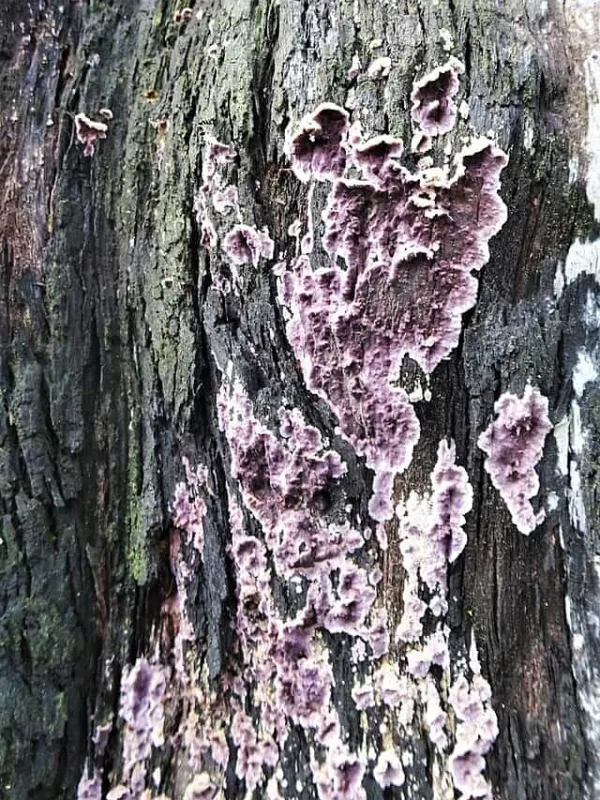
The most visible symptom of a Cyphellaceae infection is the appearance of tiny, concave fruiting bodies on the bark of branches or trunks. These structures may appear as small clusters and can densely cover the areas where bark integrity is compromised.
The color of these fruiting bodies is generally white, cream, or light grey. They become most noticeable after rainfall when they absorb moisture, whereas in dry weather, they may shrink significantly, becoming almost invisible to the naked eye.
Affected wood gradually loses its strength and vitality. The bark may become brittle, change color, and eventually peel off in patches. This exposure of deeper tissues makes the plant susceptible to secondary infections by wood-boring insects and other microbes.
If the infection reaches the living tissues, symptoms of localized necrosis appear. Branches might show signs of premature yellowing or wilting of leaves, as the fungi interfere with the water and nutrient transport systems within the stem.
Infection sites are frequently found in bark crevices, pruning wounds, or areas affected by frost damage. These locations trap moisture, creating a perfect microclimate for the mycelium to persist and slowly spread outward.
Pathogen
Cyphellaceae is a family of fungi belonging to the order Agaricales. In an agricultural context, these fungi often act as saprotrophs or weak parasites that thrive on dead, damaged, or weakened wood of various plant species.
The pathogens of this family are characterized by the production of small, cup-shaped or saucer-shaped fruiting bodies known as cyphellae. These structures serve as the primary organs for spore production, facilitating the spread of the fungus across affected surfaces.
The mycelium of these fungi penetrates the bark and cambium layers, utilizing enzymatic systems to break down cellulose and lignin. This process weakens the structural integrity of the plant and creates pathways for other, more aggressive pathogens to enter.
While Cyphellaceae are not typically primary killers of healthy trees, their presence often indicates an underlying issue, such as poor growing conditions or a suppressed immune system of the host plant. They serve as biological indicators of declining health.
The biological cycle of these fungi is closely linked to the surrounding moisture levels. They evolve slowly but persistently, gradually colonizing bark areas and potentially affecting the overall physiological functions of the woody plant over time.
Conditions for development
High humidity and consistent moisture on the bark surface are the primary drivers for the development of Cyphellaceae. Overcrowded plantings, poor canopy aeration, and a lack of pruning create the ideal environment for these fungi to thrive.
Temperate climates, especially during rainy spring and autumn seasons, provide the perfect conditions for the rapid growth and sporulation of the fungi. High moisture levels allow the mycelium to colonize new bark areas effectively.
The accumulation of plant debris, such as fallen branches and discarded bark, serves as a reservoir for the fungi throughout the year. If these materials are not cleared, they facilitate the ongoing presence of the pathogen in the orchard.
Mechanical damage caused by storms, hail, or improper pruning provides open entry points for fungal spores. Weakened trees, particularly those suffering from drought stress or nutrient deficiencies, are less able to heal these wounds, allowing the fungus to settle.
Insufficient sunlight reaching the inner canopy prevents the bark from drying out properly. Shaded and humid conditions are the most common environments where Cyphellaceae successfully establish themselves on woody plants.
Why it matters
The primary harm caused by Cyphellaceae is the physical degradation of the bark and cambium, which hinders the transport of water and nutrients. This disruption leads to a gradual decline in the overall vigor and productivity of fruit-bearing trees.
Continuous colonization by the fungi stresses the plant, reducing its resistance to environmental factors like frost or drought. Weakened trees often become targets for more virulent pathogens, which can lead to the eventual death of branches or the entire tree.
In ornamental and landscape settings, the presence of these fungi ruins the aesthetic value of the trees. The damaged bark and sparse foliage significantly reduce the visual appeal and health of the landscaping, necessitating frequent maintenance.
The metabolic products released by the fungi can create a toxic microenvironment within the plant tissues, further exacerbating the stress. This internal poisoning often complicates the recovery process for the infected plant.
In commercial nurseries, an infection with Cyphellaceae can result in the rejection of plant material. Because these trees fail to meet health and quality standards, growers may face significant economic losses due to stock disposal.
Protection
Effective management begins with strict sanitation practices. Regularly pruning out all dead, diseased, and damaged wood is the most critical step in preventing the spread of Cyphellaceae within the garden or orchard.
Ensuring proper canopy density is essential for good aeration and light penetration. Thinning the crown allows for faster evaporation of surface moisture on the bark, which significantly inhibits the establishment of fungal fruiting bodies.
When localized infections are spotted, mechanical removal of the affected bark down to healthy tissue is recommended. Following this, the exposed area should be treated with copper-based fungicides or appropriate pruning sealers to aid recovery.
Preventive spraying with broad-spectrum fungicides at the start of the growing season helps to lower the overall fungal pressure in the environment. This is especially important in regions with frequent rain and high humidity.
Maintaining high tree vigor through balanced fertilization and optimal irrigation is the best defense. Healthy trees possess a robust immune system and are far more capable of resisting the colonization of saprotrophic fungi like Cyphellaceae.
Discussion
No discussions yet — be the first.