
Cymbella lanceolata
Cymbella lanceolata
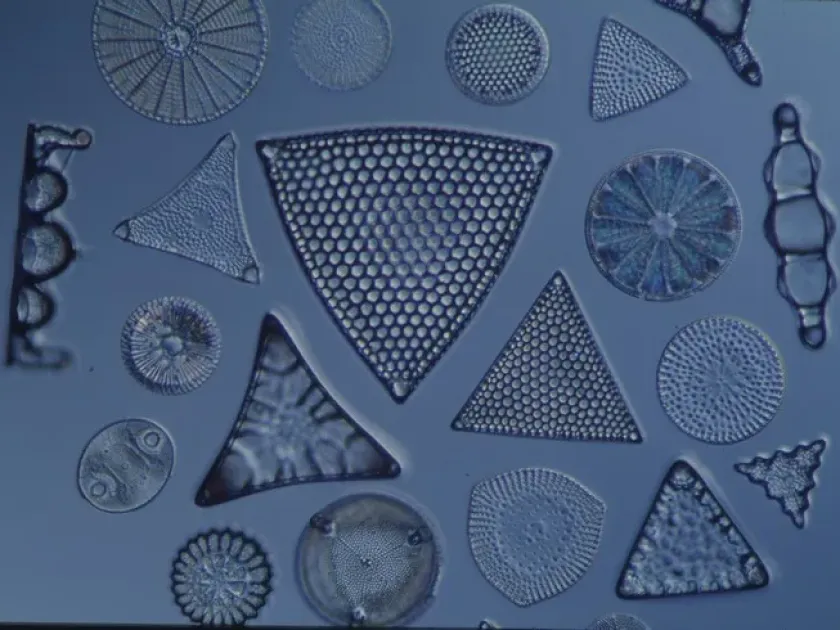
Description
Pathogen
Cymbella lanceolata is a species of freshwater diatom that is recognized by its distinct lanceolate shape and its ability to secrete mucilaginous substances. While it does not infect plants as a traditional pathogen, it is a significant nuisance in managed water environments.
In professional hydroponic systems and nursery irrigation, this organism forms biofilms that adhere strongly to pipes, tanks, and structural components. These biofilms can become quite thick and persistent if left unchecked.
The biology of this diatom relies on the formation of colonies, which are held together by extracellular polymeric substances. This slime layer protects the cells from environmental stress and makes physical cleaning a laborious process.
Reproduction occurs through cell division, which can be exponential under optimal conditions. Even a small number of cells can lead to a full-scale colonization of a closed-loop irrigation system within a few weeks.
While often overlooked by growers, the presence of these diatoms indicates a breach in system sanitation or light shielding. Addressing them is crucial for maintaining a sterile and productive growing environment.
Conditions for development
The primary driver for the development of Cymbella lanceolata is the availability of light. Even low levels of ambient light can trigger rapid photosynthesis and biomass production in closed systems.
A steady supply of dissolved minerals, particularly silica, is essential for the diatom's shell (frustule) formation. High concentrations of phosphorus often act as a fertilizer, accelerating the growth of these colonies.
Temperature fluctuations within the range of 15°C to 25°C generally favor the proliferation of these organisms. They are highly adaptable to various water qualities and can survive in a wide range of pH levels.
Stagnant water zones within pipes or tanks provide a perfect environment for the initial attachment of diatom cells. Once attached, the colony expands by slowly creeping along the surface of the substrate.
Inadequate filtration of intake water is a common entry point. If the raw water source is an open reservoir or stream, spores can easily bypass simple screen filters, leading to internal contamination.
Why it matters
The most direct harm caused by Cymbella lanceolata is the physical obstruction of irrigation equipment. Mucilage can block fine drippers, emitters, and micro-filters, leading to uneven water distribution.
These biofilms create anaerobic micro-environments that are ideal for the growth of harmful bacteria and fungi. Such opportunistic pathogens can then easily infect the root systems of the crop plants.
During the night, these large colonies compete with crop plants for oxygen, which is essential for healthy root respiration. This oxygen depletion can lead to root stress and reduced nutrient uptake.
The buildup of algae consumes vital mineral nutrients from the solution. Growers may observe unexpected shifts in nutrient balance, requiring frequent re-calibration of the fertigation system.
System monitoring becomes significantly more difficult when sensors and viewing ports are obscured by thick, brown or green layers of algae, hiding potential problems elsewhere in the system.
Protection
The most effective strategy is the total elimination of light penetration into the nutrient solution. Using opaque materials for all tanks and light-proof sleeves for transparent hoses is highly recommended.
Installing high-quality ultraviolet (UV) sterilisers in the circulation loop is a standard industry practice to kill spores and prevent the colonization of the equipment by diatoms.
Regular maintenance involving the flushing of pipes with oxidizing agents like hydrogen peroxide helps break down existing biofilms and keeps the system clean during the crop cycle.
Proactive monitoring of water quality, specifically focusing on phosphate and silica levels, allows growers to limit the growth potential of algae by adjusting the nutrient formulation.
- Light-shielding of all reservoirs and piping.
- UV-C sterilization of the nutrient circulation system.
- Periodic chemical cleaning with hydrogen peroxide.
- Advanced pre-filtration of intake water sources.
Discussion
No discussions yet — be the first.