
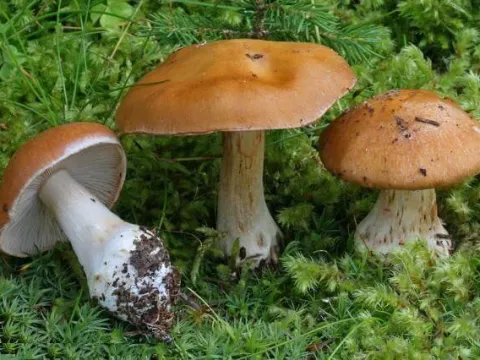
Cortinarius
Cortinarius
The genus Cortinarius, commonly known as webcaps, represents one of the largest groups of agaric fungi. While primarily recognized as essential ectomycorrhizal partners in forest ecosystems, they can sometimes behave as opportunistic agents affecting plant health.
What the section contains
Cortinarius
The fungus interacts with the host plant's roots through a network of hyphae. In agricultural or nursery settings, an imbalance in these mycorrhizal associations can lead to situations where the fungus competes with the plant for essential soil nutrients and water.
They are characterized by a cortina, a cobweb-like veil that covers the gills in young specimens. This structural feature is crucial for identifying the genus, which varies significantly in its environmental impact across different species.
While most Cortinarius species are beneficial, in sensitive forest cultures, dense hyphal development may act as a stressor. They are not classic parasites, yet they thrive in specific ecological niches that may overlap with the root zones of weakened plants.
The biology of Cortinarius revolves around complex symbiotic exchanges. However, when environmental conditions change, this relationship can shift, leading to an over-colonization of the rhizosphere that requires monitoring.
Cortinarius species thrive in cool, moist, and acidic soil environments. They are most commonly found in areas with a significant accumulation of leaf litter, which provides a steady source of organic matter for their growth.
Optimal development occurs during periods of frequent rainfall and moderate temperatures, typically between 12°C and 18°C. Such conditions encourage spore germination and the rapid expansion of the mycelial network in the upper soil layers.
Poorly aerated and compacted soils are particularly conducive to the growth of webcaps. When oxygen levels in the soil are low, the root system's vigor declines, making it more susceptible to extensive fungal colonization.
The species are highly sensitive to soil pH; they prefer acidic conditions. Any shift in the soil chemical profile can significantly impact their population density and distribution across the planting site.
Seasonality plays a major role, with late summer and autumn providing the necessary climatic triggers for the formation of fruiting bodies, which serve as an indicator of extensive mycelial activity below the surface.
The primary concern regarding Cortinarius in an agricultural context is nutrient and water sequestration. A dense hyphal mat can physically envelop the root tips, potentially restricting the uptake of nitrogen, phosphorus, and other essential elements.
In weakened host plants, the constant energy exchange with the fungus can become a burden. This can lead to a decrease in the overall growth rate and reduced resilience against environmental stressors or secondary infections.
The accumulation of fungal biomass can alter the soil structure and chemistry, potentially creating an unfavorable environment for the plant's own root hair development and gas exchange.
In forest nurseries, the rapid colonization of young seedlings by certain species can lead to stunted growth. This uneven development creates difficulties in standardizing the quality of the planting material.
Furthermore, the presence of these fungi may attract specific soil fauna that feed on the mycelium, leading to additional disturbances in the rhizosphere that indirectly damage the root architecture.
Effective management of Cortinarius involves optimizing soil conditions to prevent the fungal dominance. Improving field drainage is the most critical step to ensure that moisture levels remain within an ideal range.
Amending the soil with lime to increase pH levels is a highly effective control measure. By moving the soil chemistry toward a neutral range, the environment becomes significantly less favorable for most Cortinarius species.
Mechanical practices such as regular soil aeration and cultivation help break up fungal mats and enhance the oxygen supply to the roots. This stimulates the plant's independent root development and diminishes dependence on fungal symbionts.
Proactive sanitation, including the removal of excess leaf litter and organic debris, helps in starving the fungi of their preferred energy source, thereby limiting their ability to propagate in the planting area.
Balanced fertilization programs help maintain plant vigor. A healthy, well-nourished plant is better equipped to manage its symbiotic relationships, ensuring that the presence of fungi remains beneficial rather than detrimental.