
Cortinarius aleuriosmus
Cortinarius aleuriosmus
Description
Symptoms
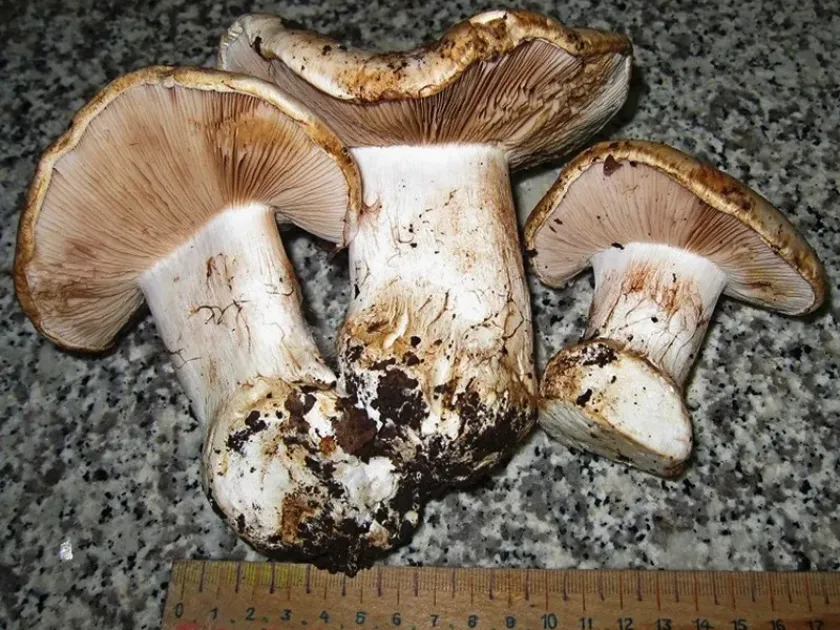
The fruit body typically features a pale, ochraceous or whitish cap, which often appears viscid when moist but becomes shiny upon drying.
The diagnostic feature of Cortinarius aleuriosmus is its distinct farinaceous (mealy) or sweet, floral odor, which sets it apart from many other species in the genus.
The gills are initially pale or clay-colored, maturing to a rusty-brown hue as the spore print develops within the structure.
The stipe is solid and often bulbous at the base, carrying visible traces of the cobweb-like partial veil (cortina) typical of all Cortinarius mushrooms.
- Distinctive mealy (flour-like) odor.
- Viscid cap surface when damp.
- Cobweb-like veil remnants on the stem.
- Association with calcareous soil types.
Pathogen
Cortinarius aleuriosmus is a gilled mushroom belonging to the Cortinariaceae family. It is strictly a mycorrhizal organism and not a plant pathogen.
There is no evidence that this fungus causes diseases in agricultural crops. Its role in nature is to form a symbiotic relationship with trees, assisting in nutrient uptake within forest ecosystems.
As a non-pathogenic species, it does not pose a threat to horticultural or arable crops. Its biological life cycle is confined to root systems of specific deciduous trees.
Agricultural practices such as intensive soil tillage or the use of pesticides are generally detrimental to this fungus, preventing it from interacting with farming areas.
Mycology experts categorize this species as a beneficial component of soil microflora, contributing to forest floor health rather than plant decline.
Conditions for development
This fungus thrives in deciduous forests, exhibiting a clear preference for calcareous or chalky soils, where it associates with host trees like beech and oak.
Growth occurs primarily during late summer and autumn, requiring moderate humidity and stable soil temperatures to produce visible fruit bodies.
The mycelium requires a healthy forest litter layer to thrive, as it acts as a nutrient recycler within the stable microclimate provided by canopy cover.
Disturbed habitats, such as agricultural fields or industrial sites, are unsuitable for Cortinarius aleuriosmus due to their lack of appropriate host roots and mycorrhizal conditions.
Sensitivity to chemical inputs makes this species an excellent indicator of environmental stability within natural woodland areas.
Discussion
No discussions yet — be the first.