
Coremiella cubispora
Coremiella cubispora
The disease is caused by the fungus Coremiella cubispora, a member of the deuteromycetes group known for its ability to affect specific vegetation. The pathogen acts as a localized parasite, utilizing host plant resources for its growth.
What the section contains
Coremiella cubispora
The mycelium of the fungus is characterized by its ability to penetrate deep into the plant tissue, establishing a parasitic relationship that disrupts the plant's structural integrity.
A distinctive feature of Coremiella cubispora is the development of coremia, which are stalk-like aggregations of conidiophores that support the production of spores.
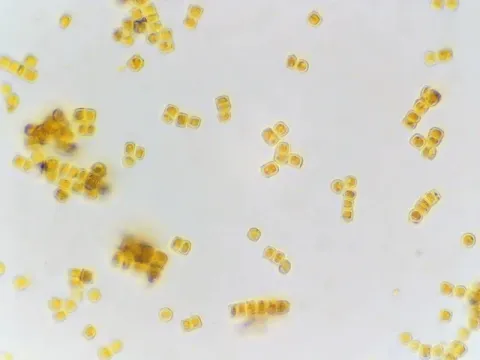
The spores, specifically conidia, have a distinct cubic shape, which is why the species is named cubispora. These conidia are released into the environment to colonize new hosts.
The fungus can persist in the soil or on plant debris for extended periods, serving as a primary source of inoculum for subsequent growing seasons if conditions allow.
The most visible signs of infection include the development of a mold-like growth on the leaves and stems, which corresponds to the sporulation stage of the fungus.
Infected areas often develop necrotic lesions. These spots change color from light green to brown or dark gray as the tissues die due to the fungal toxins.
The formation of coremia, visible as small, dense tufts on the surface of the plant, confirms the presence of the pathogen during detailed microscopic examination.
Plant development is often stunted in affected areas, and leaves may show signs of premature yellowing and necrosis, leading to early senescence of the foliage.
- Characteristic fungal bloom or mold on plant surfaces.
- Brown, irregular lesions on stems and leaves.
- Small, hair-like coremia tufts appearing on necrotic tissues.
- Deformation of foliage and severe reduction in plant vigor.
High humidity and consistent moisture on leaf surfaces are the primary drivers for the germination of fungal spores and the subsequent development of the disease.
Moderate temperatures generally favor the spread of Coremiella cubispora, making crops particularly susceptible during cool, wet growing seasons.
Dense planting patterns that limit air circulation exacerbate the disease by keeping the microclimate around the foliage humid for longer durations.
Spores are efficiently dispersed by wind currents and splashing rain, facilitating the transmission of the pathogen from infected plants to neighboring healthy ones.
Poor sanitation of the field, such as leaving infected stalks and leaves on the ground, creates a persistent reservoir that increases the probability of re-infection.
The damage caused by Coremiella cubispora is primarily due to the loss of functional leaf area, which significantly reduces the plant's photosynthetic capacity.
As the plant loses its ability to produce energy, growth slows down, and the development of reproductive parts like flowers and fruits is severely restricted.
In cases of severe infestation, the disease can lead to the complete death of the plant, resulting in significant yield losses for the agricultural producer.
The pathogen also degrades the quality of the harvested produce, often rendering it unsellable or unsuitable for processing due to visible mold and tissue damage.
Infected seeds can act as carriers of the fungus, leading to poor germination rates and weak seedlings in the next planting cycle.
Integrated pest management strategies involve the use of certified disease-free seeds and the selection of resistant cultivars to minimize initial infection risks.
Good agricultural practices, such as proper spacing between plants and weed management, improve airflow and help maintain a less favorable environment for the fungus.
Fungicidal applications are necessary when the disease reaches threshold levels, provided that the timing matches the developmental stage of the pathogen.
Removing and destroying crop debris at the end of the season is critical to breaking the life cycle of the pathogen and reducing the carryover inoculum.
Crop rotation helps to starve the pathogen by removing the specific hosts it needs, effectively reducing the soil-borne infection pressure over time.