
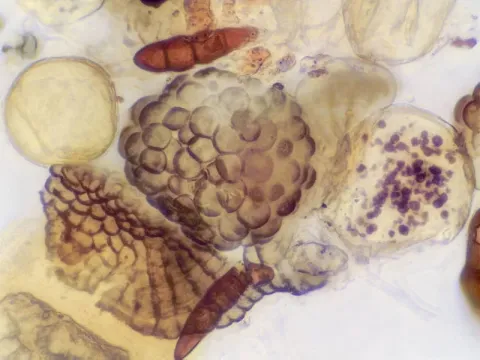
Coccoidella
Coccoidella
The disease is caused by a fungus of the genus Coccoidella, which belongs to the Ascomycota phylum. It is a specialized pathogen that primarily targets various woody plant species.
What the section contains
Coccoidella
The fungus operates as a parasite, invading host tissues and utilizing the plant's resources to sustain its mycelial growth. Its life cycle is closely synchronized with the seasonal development of the host plant.
Reproductive structures of the pathogen are often formed underneath the epidermal layer or bark of the plant, serving as a shield against external environmental stressors.
Dissemination occurs primarily through spores that are released into the air and dispersed by wind or water splashes, facilitating rapid transmission across orchards and forests.
Understanding the biological characteristics of this pathogen is essential for effective diagnosis and the development of appropriate management practices in agriculture.
The initial manifestation of the infection typically appears as dark, localized spots on the leaves, which gradually expand and coalesce as the disease progresses.
A distinctive sign of Coccoidella is the appearance of small, raised, black structures on the bark of young shoots, which are actually the fungal stroma emerging from the tissues.
As the infection spreads, the affected plant tissues begin to wither and undergo necrosis, leading to a significant reduction in the plant's physiological capacity.
Premature leaf drop is a common symptom in heavily infected specimens, which significantly weakens the tree's vigor and prepares it for a difficult winter dormancy.
Microscopic analysis of the infected bark usually confirms the presence of the pathogen by revealing the typical formation of the fungal fruiting bodies.
High humidity and consistent rainfall are the primary environmental drivers that favor the germination and spread of Coccoidella spores.
Optimal temperatures for mycelial development generally range from 18 to 25 degrees Celsius, allowing the fungus to grow rapidly during the active growing season.
Dense canopies and overcrowded planting layouts restrict air movement, creating stagnant microclimates that maintain high humidity levels, which are ideal for fungal colonization.
Plants that are already stressed due to poor soil conditions or improper horticultural practices are significantly more susceptible to successful infection.
Frequent moisture on the leaf surfaces, especially in spring, ensures that the spores can effectively penetrate the plant cuticle to establish an infection.
The disease causes substantial damage by suppressing the growth of shoots and reducing the overall health and vigor of the affected trees.
Necrosis of the bark caused by the fungus disrupts the transport of water and nutrients, which may lead to the dieback of entire branches or the death of the tree.
Significant economic losses occur in nurseries and plantations due to the destruction of plant material and the inability of infected trees to meet commercial quality standards.
The infection makes the trees highly vulnerable to secondary pests and additional opportunistic pathogens that enter through damaged tissues.
Long-term infestation leads to a decline in aesthetic and productive value, making control efforts necessary for the maintenance of healthy green spaces.
Sanitary pruning of infected branches is the most critical step to remove the source of inoculum and limit the further spread of the pathogen.
Chemical control, utilizing copper-based fungicides or appropriate systemic treatments, should be applied preventively at the onset of the growing season.
Effective management includes the systematic collection and destruction of fallen leaves, as these act as a primary overwintering site for the fungus.
Promoting proper air circulation through thinning of the crown can help reduce the humidity around the leaves and branches, limiting favorable conditions for the fungus.
- Use of disease-free propagation material for new plantings.
- Balanced fertilization to improve the plant's natural immune defenses.
- Frequent field inspections to identify and treat early symptoms of infection.