
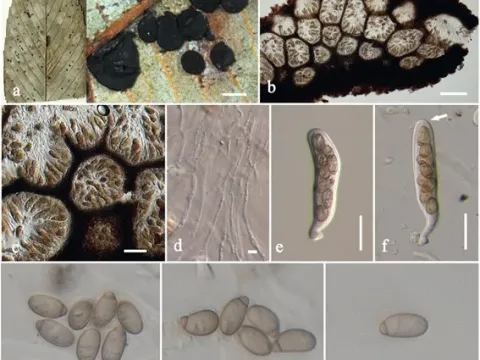
Coccoideaceae
Coccoideaceae
The family Coccoideaceae consists of a group of fungi belonging to the order Dothideales. These are microscopic ascomycetes that predominantly live as parasites or saprotrophs on higher plant tissues.
What the section contains
Coccoideaceae
The pathogens of this group are characterized by the formation of fruit bodies, known as pseudothecia, which are usually embedded within plant tissues or develop directly under the epidermis.
The fungal life cycle involves the production of ascospores, which are released into the environment when favorable conditions arise. These spores serve as the primary source of infection for new growth.
The mycelium penetrates deep into the intercellular spaces of the host, gradually breaking down cell walls and absorbing nutrients. The infection often spreads in localized patches across the crop area.
Taxonomy within this family is frequently updated through modern genetic analysis, which helps agronomists better understand the specific biological nature of these pathogens.
The main symptom of Coccoideaceae infection is the formation of dark spots, often round in shape, on leaves, stems, and fruits. The color of these lesions ranges from brown to charcoal black.
In the center of the spots or on the surface of affected tissues, small black dots are often visible; these are the fungal fruit bodies protruding through the epidermis.
As the disease progresses, infected tissues begin to yellow and die prematurely, leading to early leaf drop if the disease affects the foliage.
On fruits, the infection manifests as necrotic areas that render the harvest unsuitable for storage and significantly degrade its market quality.
Under high humidity conditions, a subtle layer consisting of conidia or fungal spores may develop around the infection sites.
High humidity is critical for the germination of Coccoideaceae spores. Prolonged rain and fog during the active growing season create the ideal microclimate for infection.
Temperature also plays a significant role, with most species exhibiting maximum activity in moderately warm weather between 15°C and 22°C.
Dense planting and poor crown ventilation promote moisture accumulation, which exponentially increases the risk of rapid infection spread.
The presence of last year's plant debris, where the pathogen often overwinters, is the primary factor in the annual recurrence of the disease in orchards and fields.
Weakened plants, suffering from nutrient deficiencies or environmental stress (drought, physical injury), are infected much faster than healthy specimens.
The primary damage is the reduction of photosynthetic activity due to the widespread loss of leaf area, leading to the depletion of energy reserves in the wood.
Disruption of the host plant's metabolism negatively affects the formation of fruit buds for the following season, resulting in a sharp decline in yields.
Infected fruits lose their taste and shelf life. In cases of severe infestation, the entire harvest may be destroyed by rot before it can be collected.
Severe damage to young shoots leads to deformation, stunted growth, and gradual dieback, which alters the overall structure of the canopy or bush.
The persistent presence of the pathogen on a site weakens the plant's immune system, making it vulnerable to secondary infections and pest attacks.
The key preventive measure is thorough sanitary maintenance of the site: regular collection and disposal (burning) of fallen leaves and crop debris where the fungus overwinters.
Annual pruning of affected branches should be performed, including 10–15 cm of healthy tissue, followed by disinfection of pruning tools.
The use of copper-based fungicides during the early spring period is effective in suppressing the initial development of spores on bark and buds.
It is important to maintain proper irrigation, avoid over-watering, and ensure good air circulation within the planting area through correct plant spacing and training.
Choosing resistant cultivars and providing regular potassium fertilization is recommended to strengthen cell walls and enhance the plant's overall resistance to fungal invasion.