
Coccodiella
Coccodiella
Description
Symptoms
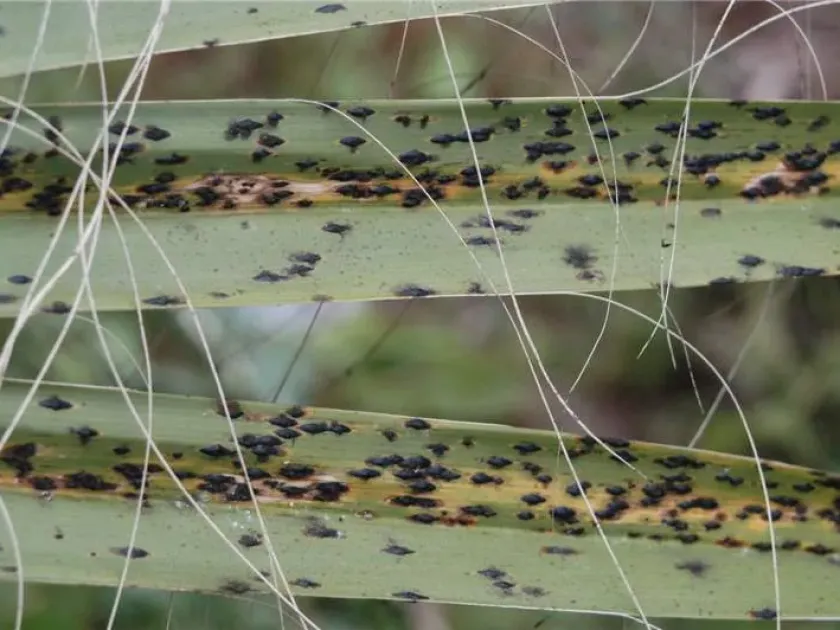
The primary symptom of a Coccodiella infection is the appearance of distinct spots on the leaf surface. Initially small and chlorotic, these spots gradually darken, turning deep brown or black as the fungus matures.
Tiny, raised, shiny black blisters or crust-like stromata become visible on the infected areas. These structures are hard to the touch and represent the fruiting bodies of the fungus developing beneath the cuticle.
Severe infections lead to chlorosis followed by premature leaf senescence and abscission. Young shoots may also show signs of distortion, necrosis, and eventual dieback if the colonization is sufficiently deep.
Unlike many other leaf spot diseases, Coccodiella typically does not present a fuzzy or dusty growth on the surface, as the fruiting structures are largely embedded within the plant's internal tissues.
Field diagnosis should ideally be confirmed by microscopic inspection, looking for the characteristic asci within the fungal stroma, which provides definitive proof of the pathogen's identity.
Pathogen
Coccodiella is a genus of fungi belonging to the Ascomycota phylum. As a plant pathogen, it forms dense structures known as stromata that develop within the leaf or stem tissue of the host plant, disrupting its normal physiology.
The life cycle involves the production of ascospores, which are spread by wind and water splashing during wet weather conditions. The pathogen initially enters the plant through natural openings like stomata or through minor epidermal lesions.
Once inside, the fungus establishes an endophytic growth phase, colonizing the mesophyll tissue. Over time, it organizes its mycelium into visible fruiting bodies that eventually rupture the plant surface to release more spores.
This pathogen is known for its ability to persist in plant debris. Its resting structures are capable of surviving harsh winter conditions, making infected fallen leaves a primary source of seasonal recurrence.
The host range typically includes various woody trees and shrubs, where the fungus exhibits specialized parasitism, often remaining undetected during the early stages of colonization.
Conditions for development
High humidity and consistent rainfall are the most critical environmental factors promoting the development of Coccodiella. Moisture on the foliage is essential for spore germination and successful colonization.
The disease thrives in moderate temperatures, typically ranging from 15°C to 25°C. Stagnant air conditions in poorly pruned, overcrowded garden beds provide an ideal microclimate for the fungus to multiply rapidly.
Plant health and nutritional status play a significant role in susceptibility. Plants suffering from mineral deficiencies or abiotic stress are significantly more vulnerable to rapid fungal spread compared to well-maintained ones.
Dissemination occurs via water droplets during rain or irrigation, as well as through air currents. Infected plant material left on the ground serves as a reservoir for spores that re-infect the plant in spring.
Lack of proper aeration in the canopy increases the duration of leaf wetness after dew or rain, which drastically reduces the time required for the pathogen to penetrate the leaf tissue.
Why it matters
The disease causes significant damage by reducing the total photosynthetic area of the plant, which hampers growth and overall vigor. A loss of leaf surface directly correlates with lower energy storage for the host.
Premature leaf drop induced by the pathogen drains the plant's resources before winter dormancy. This reduction in reserves can lead to decreased winter hardiness and frost damage on stems and buds.
For ornamental plants, the infection ruins aesthetic value. For fruit-bearing species, the loss of leaves often results in stunted, poor-quality fruit, leading to substantial economic loss for growers.
Chronic infections over several years can result in branch dieback and, in severe cases, the eventual decline and death of the entire plant, especially in younger or sensitive specimens.
The stress caused by Coccodiella also lowers the plant's natural resistance, making it an easy target for secondary pathogens, pests, and environmental stressors.
Protection
Effective management begins with good cultural practices, such as proper pruning to ensure light penetration and air circulation. Removing and destroying fallen leaves during autumn is essential to eliminate primary inoculum.
Chemical control involving copper-based fungicides can be effective as a preventative measure. Applications made just before bud break and during the early growing season help protect new growth from spore penetration.
Systemic fungicides, particularly those containing triazoles or strobilurins, may be necessary if the infection is widespread and threatens the health of valuable ornamental or fruit trees.
Selecting disease-resistant varieties is the most sustainable approach to long-term control. Breeding programs emphasize identifying genotypes that naturally limit fungal colonization.
- Regular monitoring of foliage for early signs of lesions.
- Pruning out infected branches to reduce the pathogen load.
- Providing balanced nutrition to promote natural plant immunity.
Discussion
No discussions yet — be the first.