
Clonostachys
Clonostachys
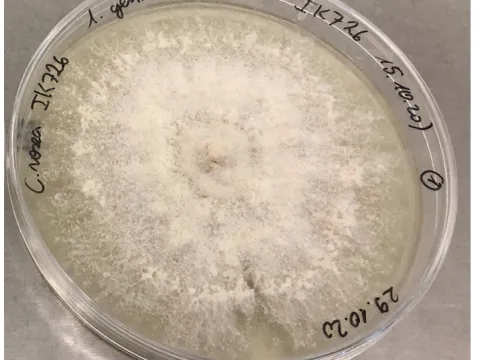
The disease is caused by the fungus Clonostachys rosea, formerly known as Gliocladium roseum. This microorganism is a cosmopolitan fungus commonly found in soils across the globe.
What the section contains
Clonostachys
It exists primarily as a saprotroph living on decaying plant material, but under specific environmental conditions, it can become an opportunistic pathogen for various crops.
The fungus produces large amounts of conidia, which serve as the main inoculum for spreading the disease between individual plants or across entire fields.
Survival structures, such as microsclerotia, allow the pathogen to persist in the soil for extended periods, making it difficult to eradicate completely from infected areas.
Recent research highlights its dual nature, as some strains are utilized commercially as biological control agents against other more virulent plant pathogens.
Symptoms often start as soft, water-soaked lesions on stems or roots, which eventually progress into localized necrotic tissues.
A distinctive feature of the infection is the development of a white or light pink fungal mycelium and spore mass on the surface of the affected plant parts.
In flowering crops, the fungus targets buds and petals, leading to browning, rapid decay, and the eventual dropping of blossoms.
Seedlings infected with this pathogen often show signs of damping-off, characterized by the constriction of the stem at the soil line and subsequent collapse.
- Water-soaked lesions on stalks and stems.
- Pinkish or white powdery mold on decay zones.
- Rapid wilting and loss of plant turgor.
- Dark necrotic spots on leaves and fruit.
High relative humidity, typically exceeding 80%, is the primary environmental factor that triggers the rapid development and spread of the fungus.
Warm temperatures, ranging between 18 and 24 degrees Celsius, create an optimal window for the pathogen to thrive and infect susceptible plant hosts.
Poor ventilation and overcrowded planting density significantly increase the risk of an outbreak by maintaining constant moisture levels around the foliage.
The presence of abundant decaying organic matter on the soil surface provides an ideal reservoir for the fungus to multiply before attacking live tissues.
Mechanical damage caused by pests or agricultural tools provides easy entry points for the pathogen to establish a lethal infection in healthy plants.
The pathogen causes significant economic loss by reducing plant stand density, especially during the critical early growth stages of vegetable and floral crops.
Infected fruits and vegetables exhibit poor shelf life and rapid post-harvest rot, leading to substantial losses during transportation and storage stages.
Systemic colonization of root systems limits the plant's ability to absorb water and essential nutrients, resulting in stunted growth and low overall productivity.
In greenhouse environments, the rapid spread of the fungus can devastate entire batches of plants if containment measures are not implemented promptly.
Furthermore, plants weakened by this disease are significantly more prone to secondary bacterial infections that complicate standard treatment protocols.
Effective management begins with strict sanitation practices, including the removal of infected plant debris and the disinfection of tools to minimize inoculum sources.
Managing the greenhouse microclimate is crucial; regular ventilation and controlled irrigation help prevent the moisture buildup that the fungus requires.
Using high-quality, pathogen-free growing media for seedlings significantly reduces the risk of early infection and future field colonization.
Strategic application of fungicides can be effective if the disease reaches an economic threshold, provided that the timing aligns with early symptom appearance.
Integrated crop management, including crop rotation and proper plant spacing, remains the most sustainable approach to keeping Clonostachys populations in check.