
Clover botrytis
Botrytis anthophila
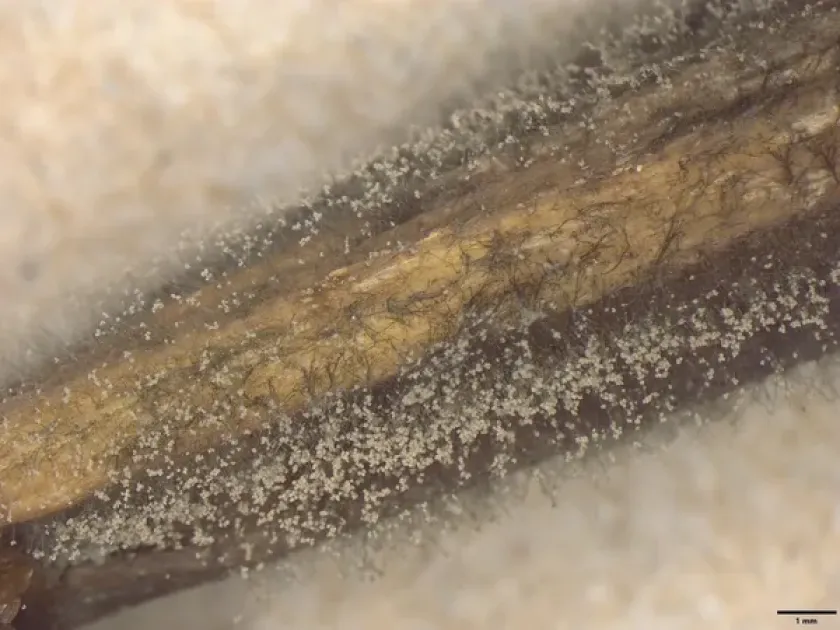
Description
Symptoms
The primary symptom of Clover Botrytis is the sterility of flower heads. Infected florets fail to produce seeds, resulting in deformed and shriveled floral parts.
Outwardly, the infected clover heads may appear stunted or display premature browning. Despite appearing normal in size during early stages, they often fail to develop fully as the season progresses.
Microscopic inspection of the ovary tissue reveals the presence of fungal mycelium, which disrupts seed development. This internal infection is often invisible to the naked eye.
Affected plants often show a reduction in seed weight and quality. The flowers may dry out and wither long before the natural senescence of healthy clover florets.
- Flower head sterility and deformation
- Premature withering and browning of florets
- Internal mycelial colonization of the embryo
- Reduced viability and germination rate of seeds
Pathogen
The causal agent of this disease is the highly specialized fungus Botrytis anthophila (the teleomorph stage is Sclerotinia spermophila). It is a systemic pathogen that specifically targets the reproductive organs of clover plants.
The fungus infiltrates the plant through the stigma and follows the pollen tube during the fertilization process, allowing it to reach the developing seed embryo directly.
The pathogen persists as mycelium within the seed coat and embryo. It remains latent until the seed is planted, at which point the fungus reactivates and colonizes the emerging seedling.
Host specificity is strictly limited to the genus Trifolium. This adaptation allows the fungus to survive across various wild and cultivated clover species, making total eradication difficult.
The fungal life cycle is synchronized with the clover flowering period, relying on pollinating insects to transmit conidia between flowers, which is the primary mechanism of infection propagation.
Conditions for development
Cool, humid weather conditions during the flowering phase of clover are ideal for the development of Botrytis anthophila. Excessive moisture on the stigma facilitates the germination of fungal spores.
Insect pollinators, such as bumblebees and honeybees, are the main vectors of the disease. They inadvertently carry spores from infected plants to healthy ones, spreading the pathogen throughout the field.
High-density plantings create a microclimate with restricted airflow, trapping moisture within the canopy and providing a perfect environment for fungal colonization.
Continuous cropping of clover in the same area without proper rotation leads to an accumulation of inoculum in the soil, increasing the probability of widespread infection.
Imbalanced nutrient supply, particularly a deficiency in potassium and phosphorus, weakens the plants' natural defense mechanisms, making them more susceptible to the fungal invasion.
Why it matters
The most significant impact of Clover Botrytis is the drastic reduction in seed yield. In severely affected fields, crop loss can be substantial, jeopardizing the profitability of seed production.
Infected seeds often have poor germination rates. When planted, they may die in the soil, leading to sparse and uneven crop stands that require reseeding.
The disease undermines the long-term viability of clover stands, causing them to thin out over time and reducing the overall productivity of the forage crop.
Widespread use of contaminated seed lots facilitates the interregional spread of the pathogen, imposing long-term phytosanitary challenges for agricultural regions.
Economic losses are compounded by the need for costly seed testing and the potential rejection of seed batches that do not meet purity and health standards.
Protection
The most effective strategy for managing Clover Botrytis is the use of certified, disease-free seed stocks. Testing seeds for latent infection is critical before sowing.
Crop rotation is essential; clover should not be replanted in the same field for at least 4-5 years to allow the soil inoculum levels to decline.
Spatial isolation between new clover fields and older, potentially infected stands is recommended to reduce the risk of spore transmission by pollinating insects.
Harvesting clover for green manure or hay before the peak flowering stage can break the disease cycle and prevent the formation of infected seeds.
Optimizing plant nutrition with balanced fertilizers and maintaining good field hygiene, including the removal of crop residues, helps bolster the plants' natural resistance.
Discussion
No discussions yet — be the first.