
Clonostachys pityrodes
Clonostachys pityrodes
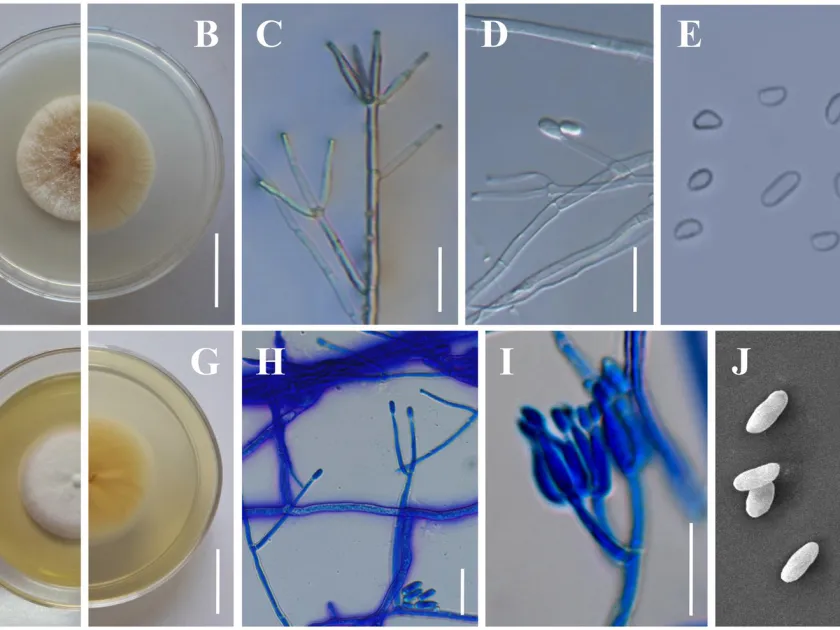
Description
Pathogen
Clonostachys pityrodes is a fungus belonging to the Bionectriaceae family. It is recognized as a plant pathogen capable of infecting various agricultural crops, causing significant physiological distress.
The pathogen reproduces via conidia, which are asexual spores that can be disseminated over long distances by wind or water, making it a highly mobile and dangerous infection source.
Biological studies indicate that the fungus possesses robust enzymatic systems, allowing it to efficiently decompose organic matter and colonize living plant tissues with ease.
The mycelium of Clonostachys pityrodes is highly adaptable, allowing the organism to switch between a saprotrophic lifestyle on crop residues and a pathogenic role during favorable conditions.
This fungus often acts as a component of complex disease outbreaks, where it may synergize with other fungal pathogens to further weaken the host plant's defense mechanisms.
Conditions for development
High relative humidity is the primary catalyst for the development and spread of Clonostachys pityrodes within an agricultural ecosystem.
The fungus thrives in temperature ranges typically between +18°C and +26°C. Extended periods of rainfall or heavy morning dew create the necessary surface moisture for spore germination.
Crop residues left on the soil surface serve as primary inoculum reservoirs. Without proper soil management or crop rotation, the risk of disease recurrence increases significantly every year.
Poor aeration in dense crop stands creates a stagnant, humid microclimate that facilitates rapid fungal growth and tissue penetration.
Plant injuries caused by insects or machinery act as entry points for the pathogen, significantly lowering the threshold required for a successful infection to occur.
Why it matters
The harm caused by Clonostachys pityrodes manifests as reduced yield volume and severely compromised product quality, affecting market value significantly.
When the pathogen infects the stems and vascular tissues, it impedes nutrient and water transport, leading to wilting, stunting, and premature plant death.
In cereal crops, colonization of the reproductive structures leads to discolored, shriveled kernels that lack nutritional density and germination potential.
Early-season infections can devastate seedlings, causing uneven stands and forcing farmers to undertake costly re-sowing operations to maintain economic viability.
In addition to direct crop loss, the presence of these fungi can be associated with the accumulation of mycotoxins, which poses a safety risk for both human consumption and animal feed.
Protection
Effective management requires an integrated approach that focuses on both cultural practices and chemical interventions to suppress the fungal population.
Crop rotation is essential to break the life cycle of the pathogen, combined with thorough tillage practices to bury infected plant residues deeply into the soil.
Fungicide applications, particularly those utilizing triazoles and strobilurins, have proven effective in preventing the spread of the disease during critical growth stages.
Maintaining optimal plant density and applying balanced fertilization—avoiding excess nitrogen—helps strengthen the plant's structural integrity against fungal invasion.
- Regular scouting for symptoms on leaves and stems.
- Application of protective fungicides during humid weather spells.
- Seed treatment to protect crops during the emergence stage.
- Sanitation of equipment to prevent cross-contamination between fields.
Discussion
No discussions yet — be the first.