
Cladonia
Cladoniaceae
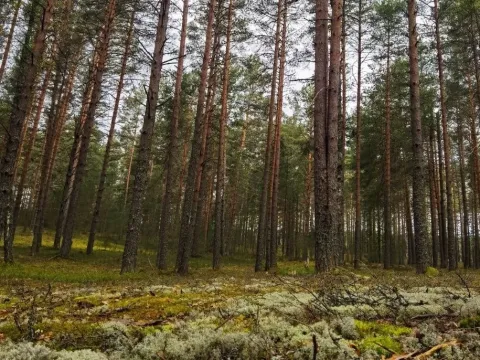
Cladonia (genus Cladoniaceae) is not a plant disease in the traditional pathogenic sense but rather a type of lichen. It is a composite organism consisting of a fungal partner and an algal or cyanobacterial partner living in symbiosis.
What the section contains
Cladonia
It acts as an epiphyte, utilizing the bark of trees or the soil surface simply as a physical substrate. The organism does not penetrate the host's plant tissues, nor does it feed on the nutrients produced by the plant.
The biology of Cladonia involves a complex thallus structure that absorbs moisture and nutrients directly from the air and atmospheric precipitation, making it highly independent of the host plant's metabolism.
Propagation occurs primarily through vegetative means, where small fragments of the lichen thallus are distributed by wind, rain, or animals, allowing them to establish new colonies on stable surfaces.
In agronomic contexts, Cladonia is often misidentified as a symptom of disease, whereas its presence is actually an indicator of the microclimate and the physiological stagnation of the tree surface.
High humidity and poor air circulation are the primary drivers for the establishment of Cladonia colonies. These conditions are frequently found in overcrowded orchards where sunlight cannot reach the trunk and inner branches.
The lichen prefers older, slower-growing bark. Because the bark of mature trees is stable for a longer period, it provides the perfect anchor for the slow-growing thallus of the lichen to spread.
Environments with extended periods of fog or shade are highly favorable for the survival of Cladonia. Conversely, areas with intense sunlight and dry air are usually inhospitable for its growth.
Poor maintenance, such as the lack of dormant season pruning, allows the micro-climate inside the tree canopy to remain moist, facilitating the rapid growth of various lichen species.
The absence of regular bark hygiene, including the removal of dead tissue, creates a continuous surface layer that promotes the long-term colonization of the lichen on the bark of woody plants.
While Cladonia does not directly harm the host plant, it serves as a harborage for various pests, including mites, scale insects, and the overwintering spores of genuine fungal pathogens.
Persistent moisture held by dense lichen cover can lead to bark softening and potential localized decay, creating entry points for opportunistic pathogens during damp or freezing periods.
Heavy lichen growth can partially obstruct gas exchange in the tree bark through the lenticels, which, while minor, may contribute to the overall physiological stress of the tree.
The visual presence of thick Cladonia growth is often a symptom of an aging tree with low vigor, indicating that the tree is no longer capable of the rapid bark growth required to shed epiphytes naturally.
Accumulation of lichens suggests an ecosystem that is out of balance, often correlating with neglected orchard hygiene and lower overall plant productivity.
Mechanical cleaning is the most direct method to manage Cladonia. Using a wire or stiff nylon brush during wet weather allows for the removal of the lichen without damaging the underlying living tissue of the bark.
Chemical control usually involves the application of iron sulfate or lime-sulfur solutions during the dormant season, which is highly effective at eradicating lichen colonies on woody stems.
Whitewashing tree trunks with a lime-based mixture acts as a strong preventive measure, creating an alkaline surface that is unsuitable for the spores and fragments of the lichen to take root.
- Regular thinning of the canopy to improve ventilation.
- Sanitary pruning of dead or declining branches.
- Monitoring orchard drainage to reduce ambient humidity.
The best long-term strategy for preventing lichen buildup is to maintain tree vigor through proper fertilization and watering, which encourages natural bark turnover and inhibits the colonization of epiphytes.