
Cladonia rangiferina
Cladonia rangiferina
Description
Symptoms
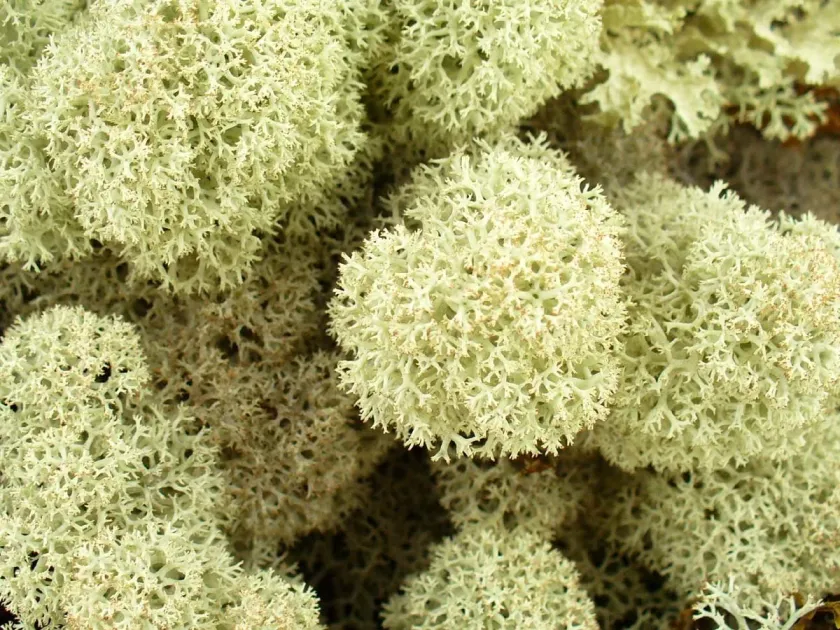
Cladonia rangiferina, commonly known as reindeer lichen, is a fruticose lichen that typically grows on soil, rocks, or occasionally on the bark of very old trees in stable ecosystems.
It does not produce symptoms of plant diseases, such as chlorosis, necrosis, wilting, or tissue decay. As a non-parasitic organism, it does not interfere with the health of higher plants.
The lichen is characterized by its pale gray or whitish-gray color and highly branched, bush-like structure. It forms dense, spongy mats that stand several centimeters high.
There is no physical damage to the plant tissue beneath the lichen. It attaches to surfaces for physical support only and does not penetrate into the plant's vascular system or living cells.
Visual identification is straightforward due to its distinct morphology. Since it is not a pathogen, it does not require laboratory testing to distinguish it from true fungal or bacterial diseases.
Pathogen
It is crucial to clarify that Cladonia rangiferina is not a plant pathogen. It is a symbiotic organism comprised of fungal and algal components and does not cause infections in crops.
The organism does not produce phytotoxins, digestive enzymes, or infection structures like haustoria. It maintains an autotrophic lifestyle by utilizing photosynthesis and atmospheric moisture.
The confusion regarding its status as a disease often stems from the observation that lichens frequently inhabit old, neglected trees. This is a case of correlation, not causation.
These lichens prefer substrates that provide stability, which explains their presence on aging bark. However, they do not cause the underlying weakness of the tree; they merely colonize it.
In terms of plant pathology, this lichen belongs to a different biological category than parasites. It acts as an epiphyte, sharing space without causing physiological harm to the plant host.
Conditions for development
Cladonia rangiferina requires clean air and moderate humidity to thrive. It is well-known as a bioindicator of environmental quality and is absent in areas with high air pollution.
In agricultural settings, its presence is limited to poorly managed orchards or forest edges where the trees are not pruned or maintained regularly.
High humidity and stagnant air pockets within thick, unpruned canopies provide the necessary microclimate for the lichen to establish itself on the bark.
It prefers low-nutrient environments. In intensive farming systems, the use of fertilizers and consistent soil cultivation makes the habitat unsuitable for this lichen.
Low temperatures are conducive to its metabolism, and it remains dormant during long periods of drought, protecting its physical structure until favorable conditions return.
Why it matters
There is no direct harm caused by Cladonia rangiferina to agricultural or horticultural crops. It does not compete for nutrients, water, or minerals with the host plant.
A minor indirect issue is that dense lichen mats on branches can harbor harmful insects, providing them with a refuge during the winter, which might complicate pest management.
The presence of significant lichen growth is often a symptom of poor horticultural practices. It indicates that a tree has been left unmaintained for several years.
It does not inhibit the tree's growth or cause fruit drop. Growers should focus on the underlying causes of tree decline rather than blaming the harmless epiphytic lichen.
Overall, Cladonia rangiferina should be viewed as an ecological neutral in agricultural fields. It is not an economic pest or a disease agent.
Protection
As it is not a disease, no chemical control or pathogen-specific treatments are required. Management should focus on improving overall crop health and site conditions.
The most effective method to reduce lichen presence is the implementation of regular pruning practices, which improve airflow and light penetration within the canopy.
Manual removal of lichen during the dormant season is possible using wooden scrapers, provided the bark is not damaged during the process.
Maintaining balanced tree nutrition and health promotes vigorous bark growth, which makes it harder for lichens to establish themselves on the surface.
- Conduct regular sanitary pruning of fruit trees.
- Maintain tree vitality through appropriate fertilization.
- Ensure adequate ventilation and light in orchards.
Discussion
No discussions yet — be the first.