
Chrysomphalina
Chrysomphalina
The genus Chrysomphalina belongs to the Hygrophoraceae family and includes species that develop on plant debris and living wood. These basidiomycetes form distinctive fruiting bodies during their life cycle.
What the section contains
Chrysomphalina
In mycological classification, this pathogen is considered a saprotroph or a facultative parasite. In forest ecosystems, the fungus can colonize weakened trees, utilizing them as a substrate for mycelial development.
The pathogen spreads through basidiospores carried by wind over long distances. Once they land in bark cracks or tissue wounds, the spores germinate, forming a mycelium that penetrates deep into the wood structure.
The biology of Chrysomphalina is closely linked to the destruction of lignin and cellulose. The fungus uses specialized enzymes to decompose complex organic compounds, playing a key role in wood degradation processes.
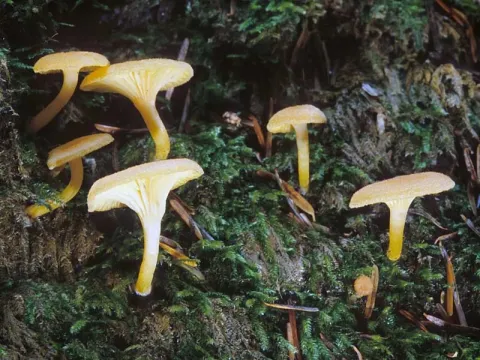
Morphologically, the species is identified by its yellowish or orange-hued fruiting bodies. The appearance of these structures on tree trunks or stumps is a reliable indicator of colonization by this fungal organism.
Optimal conditions for fungal development include high relative humidity, which is critical for spore germination and active mycelial growth throughout the season.
Temperatures ranging from +15 to +22 degrees Celsius are considered most favorable for the vegetation of this species. Growth typically slows down during extreme frost or severe drought.
The presence of large amounts of dead or heavily weakened organic matter is the primary factor promoting the intensive spread of the fungus in forested areas.
Dense plantings and a lack of sanitary thinning create a microclimate with stagnant air, significantly increasing the risk of localized Chrysomphalina outbreaks.
Injuries caused by insect pests or mechanical damage to trunks act as entry points for the primary infection of woody plant species by this fungal pathogen.
The main harm caused by this fungus is the destruction of the wood's structural integrity. As the mycelium spreads, tissue softening occurs, which drastically reduces the mechanical strength of the trunks.
Affected plants become increasingly vulnerable to windthrow and snow breakage. Chronic infection often leads to the premature dieback of individual branches or the entire crown.
From a forestry perspective, Chrysomphalina negatively impacts timber quality by causing rot and discoloration. This results in significant economic losses during timber harvesting operations.
The pathogen can act as a secondary parasite, colonizing trees already stressed by other factors such as prolonged drought, insect infestation, or environmental pollution.
The persistent presence of the fungus in an area forms an infection reservoir that, if not managed properly, can spread to adjacent healthy trees within the stand.
The most critical preventive measure is the regular implementation of sanitary logging. Removing diseased and dead trees significantly reduces the spore load in the ecosystem.
Timely cleaning of the area from logging debris and fallen wood deprives the fungus of its substrate for reproduction. All woody waste should be utilized or processed as quickly as possible.
To protect valuable individual trees, it is recommended to maintain their vitality through regular fertilization and irrigation, which enhances the natural resistance of the plant tissues.
If the first signs of fruiting bodies are discovered on tree trunks, local bark removal should be performed, followed by the disinfection of the affected areas with copper-based fungicides.
Monitoring the health of forest crops allows for the detection of disease outbreaks at an early stage. Applying biological agents to the soil around infected trees can help slow down the spread of mycelium in the root system.