
Chrysoporthe canker
Chrysoporthe austroafricana
Description
Symptoms
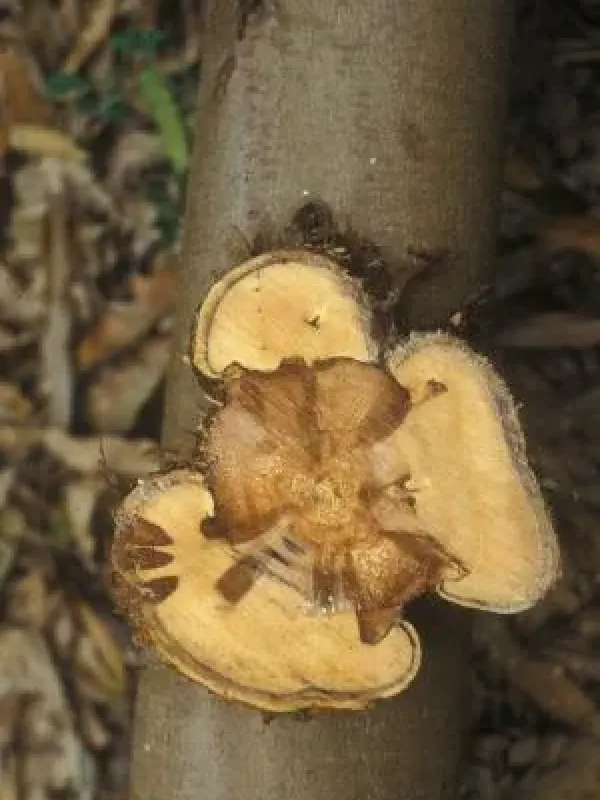
The most prominent symptom is the development of sunken, cracked cankers on the tree bark, often located at the base or on the main stem of the tree.
Gummosis, or the exudation of reddish-brown gum, is frequently observed on the surface of the cankers. This sticky fluid is a classic reaction of the tree to the fungal invasion.
As the infection progresses, the bark in the affected area darkens and may begin to peel away, exposing the underlying necrotic wood tissue.
Crown dieback is a common result of severe stem girdling by the canker, as the water transport system of the tree is significantly impaired.
Small black fruiting bodies (ascomata) may emerge through the bark on older, dead tissue, releasing spores into the environment during humid conditions.
Pathogen
The causative agent of the disease is the pathogenic fungus Chrysoporthe austroafricana, which is a member of the Cryphonectriaceae family. This pathogen is highly specialized and known to cause significant damage to various Eucalyptus species.
The fungus is a facultative parasite that reproduces both sexually and asexually. The asexual phase, characterized by the production of conidia, is the primary source of spread during the growing season.
It colonizes the cortical tissues and the cambium, causing localized necrosis that leads to the development of sunken cankers on the stems of affected trees.
Genetic studies have clarified the taxonomy of this pathogen, distinguishing it from related species like Cryphonectria cubensis, which is crucial for correct diagnostic identification.
The pathogen's ability to survive in forest litter and necrotic bark tissue makes it a persistent threat in established Eucalyptus plantations across various climatic zones.
Conditions for development
The development of Chrysoporthe austroafricana is strongly favored by high relative humidity and warm temperatures, which facilitate rapid fungal growth.
Rainfall plays a critical role in spreading the conidia, as water droplets splash the spores from infected bark onto fresh wounds on neighboring trees.
Dense plantation stands often create a microclimate with reduced airflow, which helps maintain moisture levels on the bark surface, providing ideal conditions for infection.
Trees undergoing environmental stress, such as water deficit or competition for nutrients, show increased susceptibility to the fungus compared to vigorous individuals.
Human activities, such as pruning or thinning operations, can create fresh wounds that serve as entry points for the pathogen if sanitation measures are neglected.
Why it matters
Chrysoporthe canker causes widespread mortality in susceptible Eucalyptus plantations, leading to substantial economic losses for the timber and pulp industry.
The cankers significantly reduce the quality of the wood, causing defects and internal decay that make the logs unsuitable for high-value timber products.
Severe infestations can lead to the necessity of clear-cutting entire compartments before they reach commercial maturity, devastating long-term harvest plans.
The pathogen can persist in plantation debris, creating a reservoir of inoculum that complicates the establishment of subsequent tree generations.
In addition to economic damage, the disease alters the forest structure, potentially impacting local biodiversity and the ecosystem services provided by healthy stands.
Protection
The most reliable control strategy is the deployment of genetically resistant or tolerant Eucalyptus genotypes, which can withstand pathogen attack.
Silvicultural practices that promote tree health, such as thinning to reduce stand density and improve air circulation, help create an environment less favorable for the fungus.
Strict sanitation protocols, including the prompt removal and destruction of infected stems, are essential to limit the build-up of the fungal population in the plantation.
Tools used for pruning and maintenance must be regularly disinfected to prevent the transmission of fungal spores from diseased to healthy trees.
- Prioritize site-specific selection of resistant clones.
- Minimize mechanical injuries to bark during forestry operations.
- Monitor plantations regularly for early signs of gummosis.
- Avoid movement of wood or planting material from infested zones.
Discussion
No discussions yet — be the first.