
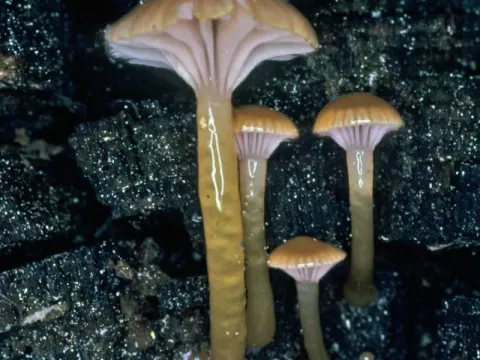
Chromosera
Chromosera
The genus Chromosera belongs to the Hygrophoraceae family and consists of small, brightly colored saprotrophic fungi that inhabit leaf litter and mossy substrates.
What the section contains
Chromosera
It is crucial to note that Chromosera species are not classified as plant pathogens; they do not cause diseases in agricultural crops or ornamental plants.
These fungi play a role in the decomposition of organic matter, acting as beneficial decomposers rather than parasites that attack living plant tissues.
The identification of these fungi as a "disease" is a common misunderstanding, as their presence is purely ecological and related to soil saprotrophy.
Unlike true phytopathogens, these fungi do not possess the biological pathways required to penetrate plant cell walls or extract nutrients from living hosts.
Growth conditions for Chromosera require high humidity levels, often following heavy rainfall or irrigation events in shaded, damp environments.
They thrive in environments with abundant moist organic debris, such as rotting wood, thick layers of moss, or poorly drained soil patches.
Temperature preferences for these fungi typically favor cool, temperate climates where moisture persists in the top layer of the substrate.
In modern agricultural settings, they are rarely found unless the soil management practices result in chronic waterlogging or excessive moisture accumulation.
The availability of specific moss species often correlates with the presence of these fungi, as they utilize the environment created by these plants.
As a saprotrophic genus, Chromosera causes no direct harm to plant health, roots, foliage, or fruit quality in any agricultural system.
There is no evidence in scientific literature to suggest that these fungi are associated with crop loss, wilt, or any form of infectious plant disease.
If they appear in a greenhouse or field, they are merely indicators of high moisture content and do not require chemical treatment or eradication efforts.
No economic damage is associated with these fungi, as they do not compete with crops for nutrients in any meaningful or measurable capacity.
The only potential risk is that the environmental conditions favoring these fungi (excessive dampness) might also favor the development of actual plant pathogens.
No specific control measures, such as fungicides or biocides, are required to manage Chromosera, as it is a harmless component of the soil mycobiota.
Proactive management of soil moisture levels is the most effective approach to reduce the conditions that support fungal development in general.
Improving soil aeration through cultivation and ensuring proper drainage will naturally decrease the prevalence of these moisture-loving organisms.
Good ventilation in greenhouses and proper removal of excess plant organic matter are sufficient to keep these fungi from appearing.
- Maintain optimal soil drainage levels.
- Ensure adequate ventilation in protected ground.
- Practice regular soil cultivation and aeration.