
Chroogomphus
Chroogomphus
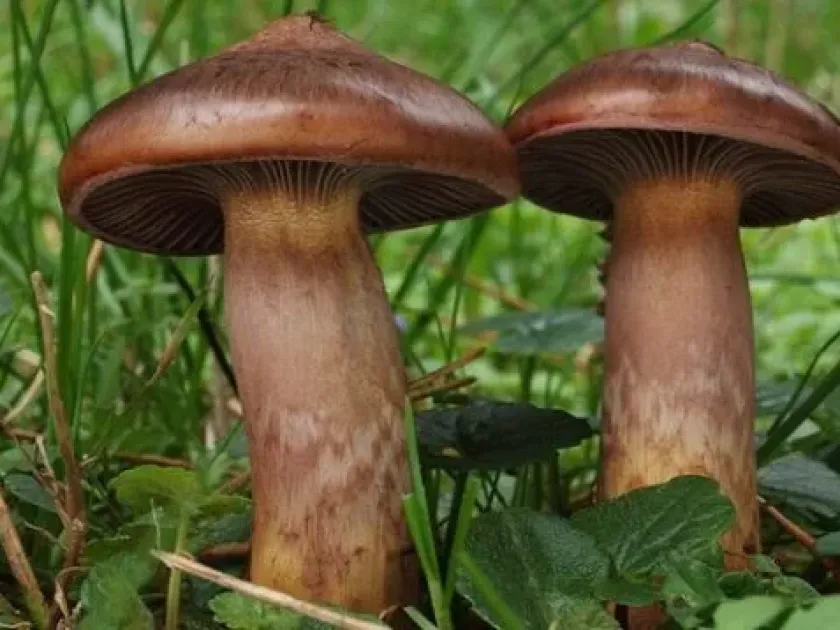
Description
Pathogen
The genus Chroogomphus, commonly known as the pine spikes, belongs to the family Gomphidiaceae. It is critical to clarify that this organism is not a plant pathogen and does not cause plant diseases.
In biological terms, these are ectomycorrhizal fungi. They form mutually beneficial relationships with the root systems of various conifer species, particularly pine trees.
Unlike parasitic fungi that penetrate and destroy plant tissues, Chroogomphus facilitates the exchange of nutrients and water between the soil and the tree roots.
Their morphology, characterized by a slimy cap and decurrent gills, is a natural adaptation for spore dispersal and survival in forest environments, unrelated to any disease symptoms.
Classification of this genus as a source of plant disease is scientifically incorrect, as they are essential beneficial components of healthy woodland ecosystems.
Conditions for development
Chroogomphus species thrive in coniferous forests, specifically in association with Pinus species. They require a stable microclimate with moderate moisture and preserved forest floor litter.
The mycelium network develops best in acidic, well-drained soils rich in organic matter. They are highly sensitive to industrial pollution and excessive use of chemical fungicides in forest areas.
Spore germination and establishment occur naturally when environmental conditions, such as temperature and humidity, align with the growth cycle of their host trees.
These fungi prefer environments where the soil structure remains undisturbed, allowing the mycorrhizal network to extend and effectively support the host tree's nutritional needs.
The symbiotic interaction is maintained through biochemical signaling between the fungal hyphae and the tree roots, ensuring long-term resilience for the tree.
Why it matters
The organism Chroogomphus causes zero harm to agricultural crops or forest plantations. It is not associated with necrosis, wilting, or any forms of plant decay.
From an agronomic and forestry perspective, these fungi are valued for their positive contribution to tree vigor. By extending the root surface area, they enhance the uptake of water and essential minerals.
Economically, several species within the genus are edible, providing a sustainable food source when foraged responsibly from natural forest habitats.
There is no need for control measures or protective fungicides against this genus, as it poses no threat to plant health or agricultural productivity.
Recognizing the beneficial role of Chroogomphus is essential for proper forest management and maintaining ecological balance in managed woodland plots.
Discussion
No discussions yet — be the first.