
Chromosera cyanophylla
Chromosera cyanophylla
Description
Pathogen
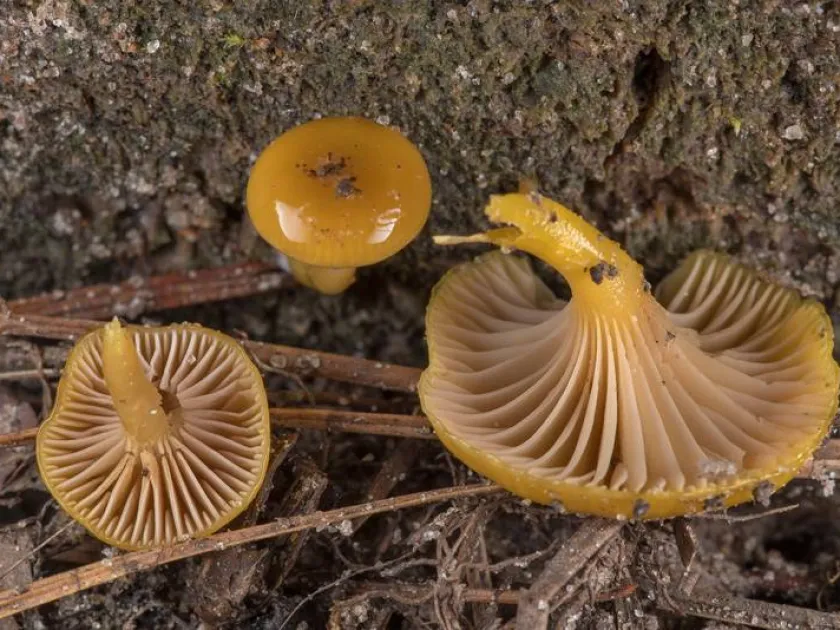
Chromosera cyanophylla is a rare species of basidiomycete fungus. In the field of agronomy, it is critical to note that this organism is not a plant pathogen; it does not infect living crops or healthy vegetation.
It is classified as a saprotroph, specifically a xylotroph, meaning it feeds exclusively on dead, decaying wood. Its biological role is the decomposition of organic matter, which contributes to soil nutrient cycling.
The mycelium resides within rotting logs or wood debris, and it lacks the physiological mechanisms required to penetrate or compromise the vascular system of living agricultural plants.
The striking blue color of the fruit bodies is a species-specific characteristic. This pigment is not associated with toxins that could impact the health of nearby agricultural crops or produce.
In agricultural systems, finding this fungus is an indicator of the presence of woody debris, serving as an ecological sign rather than a warning of an outbreak or plant infection.
Conditions for development
Development of Chromosera cyanophylla is strictly dependent on high humidity and a specific substrate. It thrives in environments where damp, decaying hardwood debris is present.
The fungus requires a stable, moist microclimate to form fruit bodies. Prolonged rainfall or misty conditions are the primary catalysts for its growth on the surface of organic matter.
Temperatures play a significant role in its life cycle. It prefers cool, shaded environments where evaporation is limited, making it most visible during temperate spring or autumn seasons.
Direct exposure to sunlight and arid conditions are detrimental to the fungus. It is rarely found in open, well-managed fields with low humidity and high levels of sun exposure.
Effective site management and good field hygiene prevent the accumulation of the specific conditions (damp woody debris) required for the growth of this saprotrophic organism.
Why it matters
There is no direct harmful impact caused by Chromosera cyanophylla to agricultural plants. It does not cause root rot, leaf spots, or any systemic diseases that could threaten crop yield.
The only potential concern is that the presence of woody debris provides a niche for general moisture retention, which, if mismanaged, could indirectly create conditions favorable for other actual pathogens.
The fungus is ecologically beneficial as it helps break down woody material, returning minerals to the soil. It should be seen as a helper in the decomposition process rather than a threat.
Incorrect identification by farmers can lead to unnecessary pesticide application, which causes soil toxicity, disrupts beneficial microflora, and creates unnecessary financial costs.
Agronomists and farmers should view this fungus as a natural component of the local ecosystem that requires no control or eradication efforts to ensure the health of the surrounding crops.
Protection
No chemical control measures are recommended or necessary for Chromosera cyanophylla. Pesticides are ineffective and environmentally detrimental when applied to saprotrophic fungi.
The best management practice is maintaining field hygiene. Removing old tree stumps, rotting branches, and accumulation of woody waste ensures the removal of the fungus's food source.
Improving soil drainage and field aeration significantly reduces the habitat suitability for xylotrophic fungi. Well-ventilated, dry areas are inherently resistant to colonization by this species.
Focusing on balanced agricultural practices, such as proper crop rotation and the prompt removal of crop residues, keeps the environment unfavorable for non-target fungal growth.
- Regular site cleanup and removal of woody debris.
- Enhancement of field drainage systems.
- Promotion of good sunlight penetration.
- Avoidance of prophylactic fungicide use.
Discussion
No discussions yet — be the first.