
Chaetothyriales fungi
Chaetothyriaceae
The family Chaetothyriaceae belongs to the order Chaetothyriales, class Eurotiomycetes. These fungi typically act as epiphytes, colonizing the surface of leaves, shoots, and fruits by feeding on insect secretions or plant metabolic products.
What the section contains
Chaetothyriales fungi
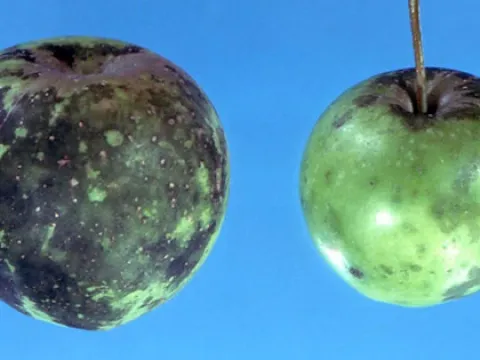
Members of this family are recognized for producing characteristic dark coatings that resemble soot. Unlike true parasites that penetrate deep into plant tissues, these fungi form a surface mycelium that covers the plant organs densely.
Biologically, these fungi are closely linked to colonies of sap-sucking pests like aphids, scale insects, and whiteflies. The pathogen utilizes the honeydew produced by these insects as a primary source of carbohydrates for the growth of its hyphae.
Reproduction occurs via conidia or ascospores, which are dispersed by wind, rain, or insects to healthy plant parts. Their life cycle is heavily dependent on environmental conditions that favor high humidity.
Although often classified as saprotrophs or hemiparasites, their presence causes serious physiological issues for the host, blocking access to light and hindering essential gas exchange processes.
The primary symptom is the appearance of a dark, almost black coating on leaves, visually resembling soot or grime. While it can be wiped off, it quickly reappears if the food source persists.
Affected leaves lose their natural luster, becoming dull, and in severe cases, the foliage may curl. The coating can also cover young shoots and fruits, severely damaging their visual appeal.
Mycelium is often concentrated around areas where pests congregate. Sticky droplets of honeydew that later turn black due to fungal colonization serve as a clear indicator of the pathogen's presence.
Microscopic analysis reveals a dense network of dark-pigmented hyphae that anchor to the cuticle. This distinguishes them from many parasites that invade the internal leaf parenchyma.
On fruits, the soot can form either localized spots or extensive crusts, which negatively impacts the quality of the produce and reduces its shelf life after harvesting.
High humidity levels, exceeding 70-80%, are the main factor driving development. During prolonged rainfall or foggy weather, the spread of the mycelium accelerates significantly.
The temperature optimum for most members of this family ranges from 20 to 28 degrees Celsius. This is also when pest activity peaks, providing the fungus with the necessary nutritional base.
Poor crown ventilation and overcrowded planting conditions create a microclimate with stagnant moist air, which stimulates spore germination on the plant surface.
Neglecting sanitary pruning leads to an accumulation of inoculum in the orchard. Fungal spores can persist on fallen leaves and tree bark cracks throughout the winter season.
The presence of insect colonies on the plant is a critical condition. Without honeydew, the development of Chaetothyriaceae is practically impossible, as they cannot independently damage the host's epidermis.
The primary harm is the inhibition of photosynthesis. By covering the leaf surface with a dark film, the fungus prevents sunlight absorption, leading to reduced carbohydrate synthesis.
Impaired gas exchange through stomata, blocked by the mold, subjects the plant to oxygen starvation. This weakens the plant's immune system, making it vulnerable to other pathogens.
The impact manifests as a sharp decline in the market value of the crop. Sooty fruits are difficult to clean, making them less desirable or even unsellable for commercial purposes.
Active fungal growth slows down the development of new shoots. The plant wastes energy attempting to recover, resulting in poor bud formation and decreased yields in subsequent seasons.
In nurseries, infestation can lead to the death of seedlings due to premature leaf drop and the exhaustion of physiological functions in young, delicate plants.
The foremost measure is the control of sap-sucking pests like aphids, scale, and whiteflies. Eliminating these insects removes the honeydew source and stops the fungus from spreading.
Regular sanitary pruning and thinning of the canopy improve air circulation. A dry, well-ventilated canopy is highly unfavorable for the development of epiphytic fungi.
- Apply copper-based fungicides for preventative spraying in spring and autumn.
- Use broad-spectrum insecticides to target insect vectors.
- Ensure timely removal and destruction of fallen leaves where spores persist.
- Conduct regular monitoring of the orchard to detect early signs of mold.
In cases of significant infestation, washing the canopy with soap solutions or specialized cleaners is effective; it removes the soot and improves the leaf's condition prior to fungicide application.