
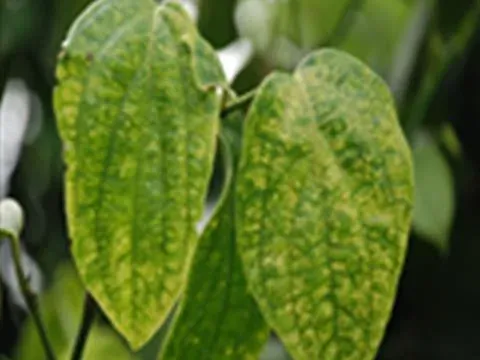
Pepper chlorosis
Capsicum chlorosis
Pepper chlorosis is characterized by the yellowing of plant tissues, which occurs due to the breakdown or lack of production of chlorophyll in the leaves.
What the section contains
Pepper chlorosis
A classic symptom often involves the interveinal tissue turning pale yellow or white, while the veins themselves remain distinctively green, a condition often associated with iron deficiency.
The yellowing may manifest initially on the lower, older leaves or on the newest terminal growth, depending on whether the missing nutrient is mobile or immobile within the plant.
As the condition progresses, the affected leaves become thin, brittle, and may experience necrotic spots, eventually leading to premature leaf drop and sparse canopy.
Severely chlorotic plants show stunted growth, reduced internode length, and a failure to set fruit or support existing fruit, significantly impacting the plant's structural integrity.
Chlorosis in peppers is predominantly a physiological disorder caused by environmental stressors or nutrient imbalances rather than a direct biological pathogen.
The primary non-infectious causes include deficiencies in essential nutrients such as iron, magnesium, nitrogen, manganese, or zinc, which are crucial for chlorophyll synthesis.
In some instances, chlorosis is a symptom of viral infection, such as the Tobacco Mosaic Virus (TMV) or Pepper Mottle Virus, which interfere with plant metabolism.
Root system damage caused by soil-borne fungi (such as Phytophthora or Pythium) or root-knot nematodes can also disrupt water and nutrient uptake, leading to systemic chlorosis.
Environmental toxicity or poor soil chemistry can interfere with the plant's ability to process minerals, manifesting as visual symptoms indistinguishable from simple deficiencies.
Waterlogged soil conditions create an anaerobic environment, suffocating roots and preventing the absorption of nutrients, which is a leading cause of chlorosis in peppers.
The pH level of the soil is a critical factor; for instance, high alkaline soils can lock up iron and manganese, making them unavailable to the plant even if present in the soil.
Temperature extremes, particularly cold, damp nights following warm days, significantly reduce the rate of nutrient uptake and metabolic activity, triggering transient chlorosis.
Excessive competition from weeds or high plant density can lead to nutrient depletion in the localized root zone, causing plants to show signs of chronic starvation.
Imbalanced fertilization practices, especially high levels of certain ions, can cause nutrient antagonism where an excess of one element blocks the uptake of another.
The primary economic impact of pepper chlorosis is the severe reduction in photosynthetic efficiency, which leads to weak plant growth and poor vigor.
Chlorotic plants are significantly more susceptible to opportunistic pests and secondary infections, as their natural defense mechanisms are compromised.
Yield loss is substantial, as chlorotic plants produce fewer flowers and suffer from heavy fruit abortion, often resulting in small, low-quality produce.
In cases of severe physiological stress, plants may stop growing entirely, leading to total crop failure within the affected section of the field or greenhouse.
The loss of foliage leaves the developing fruit exposed to direct sunlight, which can increase the incidence of sunscald and further degrade fruit quality.
The first step in controlling chlorosis is accurate diagnosis, which includes testing soil pH and evaluating nutrient application records to identify specific deficiencies.
Foliar application of chelated micronutrients is the most rapid way to correct acute deficiencies, providing the plant with immediately available minerals.
Improving soil aeration through proper drainage and cultivation techniques is essential to restore root function and promote efficient nutrient absorption.
- Maintain soil pH within the optimal range of 6.0–6.8
- Implement a balanced fertilization program
- Control pests that impact root or leaf health
- Apply anti-stress biostimulants during extreme weather
Proactive management includes regular monitoring of leaves, maintaining optimal soil moisture levels, and practicing crop rotation to prevent soil exhaustion and pathogen buildup.