
Pepper phomopsis
Diaporthe capsici
Description
Symptoms
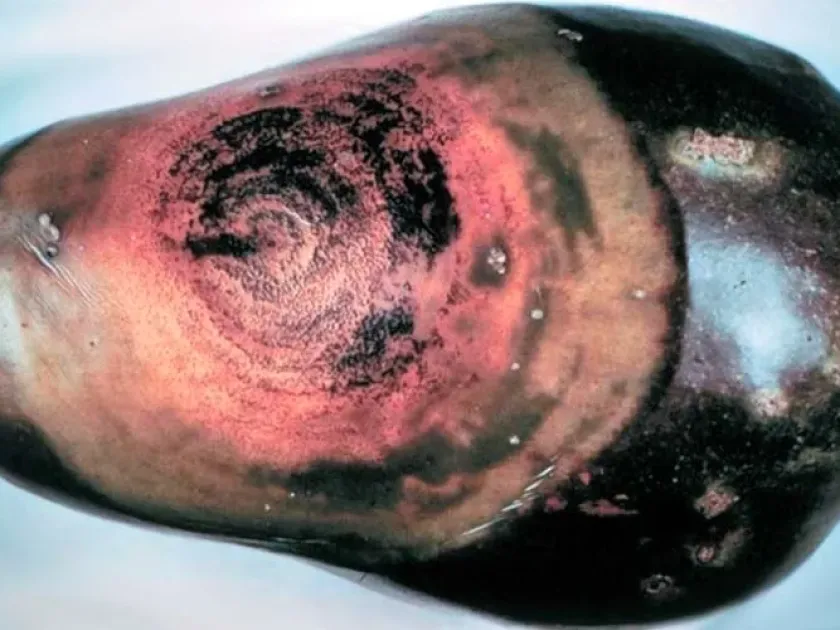
The initial symptoms are characterized by water-soaked spots on fruits, which later darken and develop small, black pycnidia. Affected areas often become sunken.
Stems can exhibit elongated necrotic lesions. If these lesions girdle the main stem, the entire plant may wilt and die rapidly, as the vascular system is severely compromised.
Leaves may show chlorotic patches that eventually dry out. In high-humidity conditions, a faint greyish mycelial growth may appear on the diseased tissue surfaces.
Internal fruit rot is common; the flesh turns into a mushy, discolored mass that emits a foul odor, rendering the produce entirely unsalable.
- Water-soaked spots turning dark and sunken.
- Visible black pin-head sized pycnidia on the lesions.
- Wilting of terminal shoots due to stem infection.
- Premature fruit and flower drop.
Pathogen
Pepper phomopsis is caused by the ascomycete fungus Diaporthe capsici (anamorph Phomopsis capsici). This pathogen is known for its ability to persist in soil and crop debris for several years.
The fungus enters the plant tissues through micro-cracks, natural openings, or insect-caused injuries. Spores are primarily dispersed by splashing rain, wind currents, and contaminated seed lots.
Its life cycle includes the formation of pycnidia, which serve as reservoirs for conidia. These spores enable the pathogen to produce multiple cycles of infection within a single growing season.
The fungus secretes enzymes that degrade the host's cell walls, leading to rapid necrosis and soft tissue decay. This biological mechanism makes the pathogen highly aggressive under favorable weather.
Understanding the persistence of Diaporthe capsici in the environment is vital, as it remains viable on decayed matter long after the crop has been harvested.
Conditions for development
The disease thrives in environments with high relative humidity (above 80%) and temperatures between +20°C and +25°C. Prolonged rainy weather and morning fogs significantly exacerbate the spread.
Dense planting schemes that prevent adequate airflow create microclimates conducive to fungal proliferation. Poor ventilation in greenhouse environments is a major risk factor.
Overhead irrigation acts as a primary vector for moving spores from infected lower leaves to the developing fruits, accelerating the development of the epidemic.
Plants under nutrient stress or suffering from temperature fluctuations are more susceptible, as their natural defenses against fungal penetration are weakened.
Lack of proper field sanitation, including the presence of solanaceous weeds, provides the fungus with hosts to survive and thrive until the next planting cycle.
Why it matters
Pepper phomopsis causes severe economic losses by destroying the marketability of the fruits. Even minor infections on the fruit surface lead to rapid post-harvest degradation.
Stem infections cause partial or total plant mortality, significantly reducing the total yield per hectare and requiring costly replanting efforts.
The spread of the disease during transit is a major concern, as infected fruits can contaminate healthy ones in storage containers, causing significant financial damage.
Seed-borne infection is a critical issue; seeds from diseased plants are often infected and serve as the primary source of the pathogen for new field outbreaks.
Increased expenditures on fungicides and long-term crop rotation limitations increase production costs, affecting the overall profitability of the vegetable farm.
Protection
The use of resistant cultivars is the primary defense strategy. It is essential to source high-quality, certified seeds that have been treated with appropriate fungicides.
Strict adherence to crop rotation is necessary; avoid planting peppers or other solanaceous crops in the same field for at least 4 years to break the infection cycle.
Removing and destroying all plant residues immediately after harvest reduces the initial inoculum levels for the following season.
Proactive application of fungicides upon the first sign of symptoms is recommended. Rotating active ingredients helps mitigate the risk of the fungus developing resistance.
Implementing drip irrigation reduces leaf and fruit wetness, creating an unfavorable environment for fungal germination and movement.
Discussion
No discussions yet — be the first.