
Caldariomyces
Caldariomyces
Caldariomyces is a genus of fungi belonging to the group commonly referred to as sooty molds. These fungi are primarily known for their ability to colonize surfaces contaminated with honeydew secreted by sap-sucking insects.
What the section contains
Caldariomyces
Unlike obligate parasites, Caldariomyces functions as an epiphyte. It feeds on the nutrient-rich excretions left on leaves and stems by aphids, whiteflies, and scale insects, rather than directly penetrating the plant's vascular system.
The fungus is characterized by a dark, melanized mycelium that forms a dense, velvet-like layer. This dark pigmentation protects the spores and mycelium from UV radiation, allowing it to thrive in exposed environments.
Biologically, the genus is well-known in scientific literature for its production of chloroperoxidase enzymes. This high level of metabolic activity allows the fungus to rapidly occupy space on the surface of host plants.
While often considered a secondary pathogen, its presence is a strong indicator of an unchecked insect infestation. The fungus propagates through airborne spores, which can spread quickly across a plantation in suitable conditions.
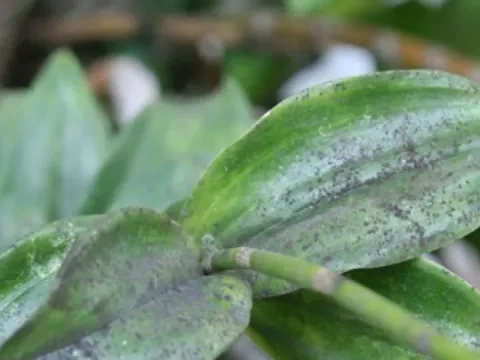
The hallmark sign of a Caldariomyces infection is a superficial, black, soot-like deposit covering the foliage, stems, and sometimes fruits. This layer can be wiped off, revealing a relatively intact leaf surface underneath.
The infestation often begins as isolated spots around the areas where honeydew has accumulated. Over time, these spots expand and coalesce, potentially covering the entire surface of the leaf in a thick, dark mat.
Affected plants do not typically show immediate necrosis or tissue death, but they exhibit signs of metabolic stress. The visual impact is significant, as the black coating makes the plant look dirty and unthrifty.
As the infection progresses, the fungal layer can interfere with plant development. In severe cases, the leaf may curl or experience inhibited expansion due to the lack of sufficient sunlight absorption.
- Black, powdery or crusty coating on leaves.
- Presence of honeydew residues near the fungal growth.
- Inhibition of normal plant growth patterns.
- Potential premature leaf drop in high-humidity conditions.
The primary prerequisite for Caldariomyces growth is the presence of honeydew. Without the saccharide-rich waste from insect pests, the fungus cannot successfully colonize the plant's surface.
High relative humidity, typically above 75%, and mild temperatures are ideal for the rapid germination of fungal spores. Moisture acts as a solvent for the honeydew, making nutrients easily accessible for the fungus.
Poor ventilation, whether in a dense field canopy or a confined greenhouse, significantly favors the spread of the pathogen. Stagnant air allows spores to settle and germinate without disruption.
Late summer and early autumn conditions, characterized by high insect activity and dew formation, are peak times for sooty mold development. The combination of moisture and food substrate triggers explosive growth.
Plants in shaded or overcrowded areas are more prone to infection because the lack of sunlight prevents the foliage from drying out, keeping the microclimate favorable for fungal proliferation.
The major impact of Caldariomyces is the obstruction of photosynthesis. By physically blocking light from reaching the leaf surface, the fungus significantly reduces the energy production capability of the plant.
The presence of the fungal crust also clogs the leaf stomata. This blockage disrupts gas exchange and transpiration, leading to plant overheating and water stress, which hinders healthy development.
Marketability is severely affected. Fruits and ornamentals covered in black soot are visually unappealing, making them unacceptable for sale. Cleaning the produce adds significant labor costs and may damage the product.
Plants weakened by the combination of insect damage and subsequent fungal colonization show reduced vigor, making them more susceptible to cold stress, winter injury, and other opportunistic pathogens.
The fungus represents an economic burden by masking symptoms of primary insect pests. If the mold is not treated, it can lead to long-term decline in the productivity of perennials and tree crops.
Integrated Pest Management (IPM) focusing on the control of sap-sucking insects is the most effective way to prevent Caldariomyces. Eliminating the source of honeydew effectively starves the fungus.
Pruning to ensure adequate airflow and light penetration is essential for maintaining a healthy plant canopy. Proper spacing prevents the microclimate conditions that favor mold growth.
Copper-based fungicides are highly effective at cleaning fungal deposits from the surface of leaves. These products act as disinfectants and provide a residual effect against further colonization.
Maintaining plant health through balanced nutrition and irrigation helps ensure a strong waxy cuticle, which acts as a barrier against surface colonization by various fungi.
Frequent monitoring for pests is the best prevention. Early detection of aphids or whiteflies allows for intervention before the honeydew accumulation becomes sufficient to support a Caldariomyces outbreak.