
Calathella eruciformis
Calathella eruciformis
Description
Symptoms
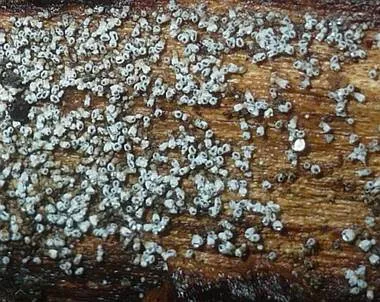
The most visible symptoms are the small, caterpillar-shaped fungal structures appearing in clusters on the host's surface. These growths typically appear in creamy, pale brown, or grayish shades.
Host bark in the affected area often shows signs of necrosis, including cracking, peeling, or a change in texture. The bark may become brittle and lose its natural elasticity due to the breakdown of cells beneath the surface.
In cases of severe infestation, one may observe sunken lesions that reveal the deeper layers of the stem or branch. These areas are prone to secondary infections from other fungi or bacteria.
Affected plants may show early symptoms of wilting in specific branches, indicating that the fungal colonization is interfering with the plant's vascular or transport functions.
- Caterpillar-like fruiting bodies on bark.
- Cracking and localized necrosis of the bark.
- Stunted growth or wilting of individual branches.
Pathogen
Calathella eruciformis is a microscopic basidiomycete fungus. While often acting as a saprotroph on decaying wood, it can transition to a pathogenic role under conditions that favor its rapid development and colonization of host plant tissues.
The fungus produces small, distinctive basidiocarps on the surface of bark or stems. Their elongated, curved morphology is reminiscent of caterpillars, which serves as a primary diagnostic feature for identification.
The life cycle involves the production of basidiospores, which are dispersed efficiently by wind. This allows the fungus to colonize various woody and herbaceous substrates across different habitats, including agricultural fields.
Biologically, this species is specialized in degrading plant structural components like lignin. Through enzyme secretion, the fungus gradually breaks down host tissues, facilitating its survival and expansion.
While often overlooked due to its minute size, its presence in orchards or tree nurseries should be monitored, as it indicates a shift in the local microenvironment towards conditions favorable for fungal growth.
Conditions for development
High humidity, typically above 75–80%, is the primary environmental driver for Calathella eruciformis. The fungus thrives in damp, shaded environments with poor air circulation.
Temperatures ranging from +15°C to +22°C are optimal for spore germination and mycelial spread. Extended periods of rain or fog provide the perfect moisture levels for the fungus to establish itself.
Mechanical injuries to the plant serve as entry points for the infection. Any trauma to the bark—whether from frost, pests, or improper pruning—significantly increases susceptibility to fungal colonization.
Dense planting patterns that prevent sunlight and wind from penetrating the canopy create a microclimate where moisture persists for longer periods, directly promoting fungal development.
Seasonal patterns, particularly humid spring and autumn months, are the high-risk periods for the spread of this pathogen within orchards and garden spaces.
Why it matters
The primary damage is caused by the disruption of the bark's integrity, which leads to the decline of the cambium layer. This directly interferes with the transport of water and nutrients, resulting in the dieback of branches.
In fruit-bearing species, persistent infestation leads to reduced vigor, lower yield, and decreased fruit quality. The plant's energy is diverted from productive growth to mitigating the stress caused by the infection.
Weakened plants are far more likely to be attacked by opportunistic secondary pests. The combination of fungal damage and secondary insect activity can lead to the total loss of the tree or shrub.
For ornamental plants, the presence of these fungal structures is highly undesirable, rendering the plant unsuitable for display or commercial sale due to its poor health and aesthetic quality.
Long-term colonization can result in deep, permanent structural damage to the stems, making it impossible to restore the plant to its previous state of health.
Protection
Proper pruning and canopy management are essential preventative steps. Increasing airflow through the crown helps keep bark surfaces dry, making it difficult for the fungus to establish itself.
If the fungus is detected, all affected branches must be removed and destroyed. Tools used for pruning should be disinfected thoroughly to prevent transferring spores to healthy parts of the plant.
Preventative applications of copper-based fungicides or appropriate systemic treatments can significantly reduce the risk of infestation. These should be applied before the onset of high-risk humid weather.
Maintaining a high level of plant vigor through balanced fertilization and correct watering practices is the best defense. Healthy plants are better equipped to naturally resist fungal colonization.
Sanitation of the garden area is crucial; removing all fallen debris, leaves, and dead wood prevents the buildup of inoculum that could infect the plants in the following growing season.
Discussion
No discussions yet — be the first.