
Caliciaceae
Caliciaceae
Description
Symptoms
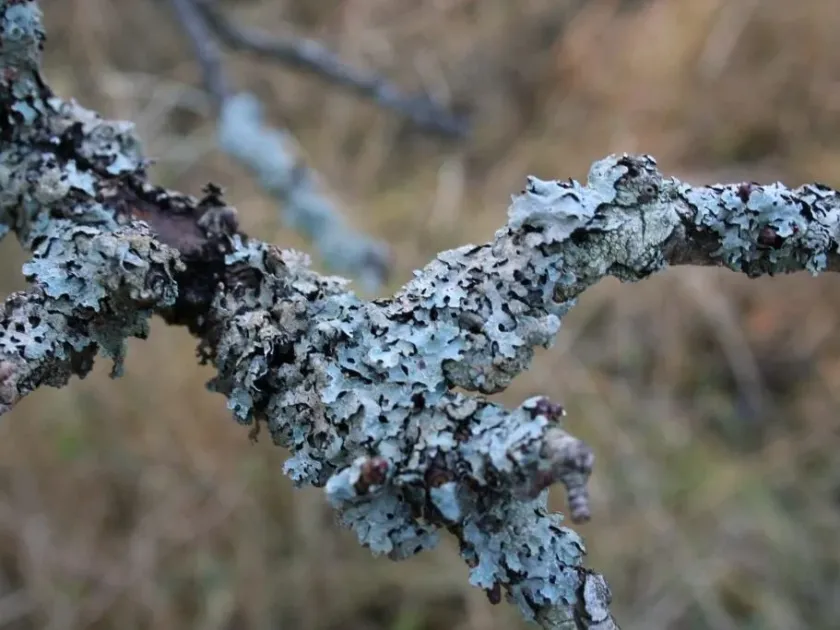
The most distinctive sign of Caliciaceae presence is the appearance of tiny black or dark brown pin-like structures scattered across the bark surface.
In high densities, these structures can give the bark a soot-like or dusty appearance, which may be mistaken for surface dirt or pollution.
As the colonization matures, the bark may show signs of surface scaling or uneven texture, as the fungi interact with the outermost periderm layers.
The affected areas often become discolored, shifting from the natural bark shade to a duller, grayish, or blackish tone depending on the specific species involved.
Often, these fungi grow in clusters alongside other lichen species, creating a diverse crustose mosaic on the trunks and older branches of trees.
Pathogen
The family Caliciaceae comprises a group of fungi that are widely known for their lichenized growth habit on the bark of woody plants. They are classified as Ascomycetes and often exist in symbiotic relationships with algae.
These organisms are characterized by the production of apothecia, which are small, cup-shaped, or stalked fruiting bodies often described as "stubble" or "pins."
While they are generally not aggressive pathogens of healthy trees, they are effective indicators of the environmental microclimate and the health of the tree bark surface.
The fungal mycelium penetrates the outer layers of the bark, deriving moisture and nutrients from trapped organic debris and atmospheric deposition.
Dispersal is primarily achieved through the production of wind-borne spores, which facilitate the colonization of new habitats during periods of high humidity.
Conditions for development
Caliciaceae thrive in environments with consistent high humidity and restricted airflow, such as dense woodlands or neglected orchard blocks.
Rough-barked tree species provide the optimal micro-topography for spore germination, as these textures effectively trap water and dust.
Cool and temperate climates with frequent rainfall cycles provide the ideal conditions for the prolonged activity of these fungal communities throughout the year.
Poor orchard management, including lack of pruning and density of plantings, significantly reduces light penetration and increases the moisture-retention capability of the tree surface.
Stressed or aging trees, which undergo natural bark cracking and tissue softening, become primary hosts for these fungal growths.
Why it matters
While often seen as epiphytes, dense colonies can physically obstruct the lenticels, which are critical for gas exchange and respiration of the tree bark.
The accumulation of fungal biomass provides an ideal shelter for overwintering pests, such as scale insects and spider mites, which can cause significant damage to the tree.
By creating a permanent moisture barrier on the bark, these fungi may contribute to the premature softening of the protective outer layer, inviting more aggressive secondary pathogens.
A heavy coverage of these fungi reduces the aesthetic value of ornamental trees, making them look neglected and unhealthy.
In severe cases, the physiological stress caused by persistent surface obstruction can lead to reduced nutrient uptake efficiency and minor declines in annual tree growth.
Protection
Effective management begins with proper cultural practices, including regular pruning to promote airflow and light penetration within the canopy.
Mechanical removal of excessive fungal crusts using soft brushes, followed by the application of horticultural washes, is recommended for infested specimen trees.
Dormant season sprays with copper-based fungicides are highly effective in reducing spore counts and inhibiting the growth of new colonies on the trunk.
Maintaining tree vigor through balanced fertilization and proper irrigation helps the tree naturally resist surface colonization by these organisms.
- Thinning of dense canopy structures to improve air circulation.
- Sanitation pruning to remove dead and dying woody material.
- Application of copper fungicides during the dormant period.
Discussion
No discussions yet — be the first.