
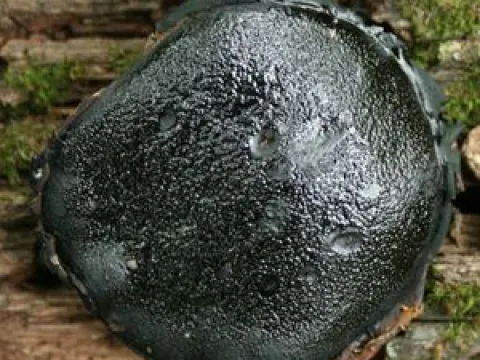
Boliniales
Boliniales
The order Boliniales belongs to the class Sordariomycetes, within the phylum Ascomycota. These fungi are primarily recognized as saprotrophs living on decaying wood, though several species exhibit parasitic behavior, targeting weakened trees and woody shrubs.
What the section contains
Boliniales
The pathogen is characterized by the formation of stroma, which are dense fungal tissues that house the perithecia (fruiting bodies). Within these structures, the fungus produces spores that facilitate its reproduction and dispersal throughout the host's environment.
The fungus invades the xylem of the plant, utilizing enzymes to break down the complex structure of wood, specifically cellulose and lignin. This process allows the mycelium to colonize the interior of the tree, gradually compromising its structural integrity.
Transmission primarily occurs via ascospores, which are airborne or spread by rain splash. These spores enter the tree through natural openings, physical wounds, or pruning cuts, beginning the colonization cycle in vulnerable hosts.
Taxonomically, Boliniales are an essential subject in mycology. Understanding their biological lifecycle is crucial for foresters and orchard managers who need to identify potential risks to timber quality and tree longevity.
The most visible sign of infection is the emergence of stroma on the bark surface. These are often dark, hard, cushion-like, or crust-like growths that indicate the fungus is actively producing spores.
Internal wood inspection often reveals discoloration and structural softening. Infected timber loses its natural color and becomes brittle, showing clear signs of decay caused by the fungal enzymatic digestion of the cellular matrix.
External symptoms often include localized branch dieback or canopy thinning. As the vascular system becomes disrupted by the fungal growth, the foliage may exhibit chlorosis, stunted development, or premature senescence.
Deep cracks in the trunk or thick branches are common entry points and symptom sites. These openings not only expose the wood to further damage but also serve as the location for the fungus to develop its fruiting structures.
As the disease progresses, necrotic patches appear on the bark, which gradually expand. These areas represent active zones where the fungus is consuming the cambium and underlying tissues, eventually girdling the branch or stem.
Environmental conditions play a pivotal role in the proliferation of Boliniales. High relative humidity, typically above 75%, combined with moderate temperatures (18–25°C), creates the ideal climate for spore germination and mycelial spread.
Physical trauma is a primary trigger for infection. Frost cracks, sunscald, wind damage, or improper pruning provide direct access to the nutrient-rich interior of the tree, bypassing the plant's natural protective barriers.
Stagnant air and poor ventilation in dense orchards contribute significantly to fungal development. Excessive moisture on bark surfaces, caused by lack of airflow, promotes the rapid colonization of susceptible plant parts.
Tree stress, often caused by drought, poor soil fertility, or pre-existing pest issues, weakens the tree's natural resistance. Stressed trees are less capable of producing defense compounds to inhibit fungal penetration.
The presence of old stumps, dead wood, and debris in the vicinity acts as a reservoir for the pathogen. These substrates sustain the fungal population, ensuring a constant source of inoculum throughout the growing season.
The primary damage caused by Boliniales is the structural degradation of woody tissues. The loss of wood density results in a significant reduction in mechanical strength, leading to branch breakage and potential tree collapse during storms.
The obstruction of water and nutrient transport leads to the physiological decline of the plant. This manifests as decreased vigor, lower crop yields, and inferior quality of fruits or seeds, causing direct financial loss.
Infection is often progressive and eventually fatal. Once the fungus has colonized the heartwood or a significant portion of the stem, curative treatments become ineffective, leading to the necessary removal of the tree.
The pathogen reduces the overall lifespan of valuable trees. In both commercial and ornamental settings, this requires increased management costs for maintenance, surgical pruning, or tree removal and replacement.
The potential for rapid spore dispersal poses a risk to neighboring healthy trees. If left unchecked, the fungus can create an epidemic that compromises the viability of an entire nursery or orchard section.
Proactive management begins with sanitation. All infected branches must be pruned away at the first sign of symptoms, with cuts made well into healthy tissue, and the debris must be disposed of properly by burning or composting away from the orchard.
Hygiene of pruning tools is essential. Disinfecting shears and saws after each tree or branch with high-percentage alcohol or a disinfectant solution prevents the mechanical transfer of spores between healthy and infected plants.
Preventative fungicide applications, particularly during the dormant season and early spring, can protect wounded bark areas and suppress the development of fungal structures before they become established.
Maintaining optimal tree health through balanced fertilization and proper irrigation helps build a robust immune response. A vigorous tree is more capable of compartmentalizing infections and slowing down the fungal spread.
- Apply specialized wound paint to all cuts over 2 cm in diameter.
- Remove and destroy old stumps that harbor fungal colonies.
- Ensure adequate tree spacing to promote air circulation and bark drying.
- Monitor trees regularly to identify and remove stroma at early stages.