
Boliniaceae
Boliniaceae
Description
Symptoms
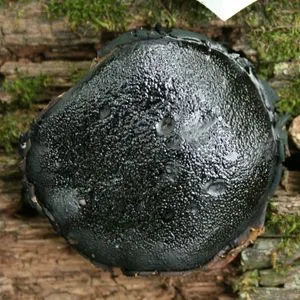
The primary symptom of Boliniaceae infection is the appearance of stromata on the bark surface, appearing as small, dark, raised fungal cushions.
As the pathogen develops, the bark may show signs of cracking and roughness, where perithecia emerge to release spores into the environment.
Infected areas often exhibit localized tissue necrosis, leading to the gradual death of the cortex and cambium layers under the bark.
A distinctive sign includes the discoloration of wood fibers in affected zones, which often turn darker or show irregular patterns as the mycelium colonizes the substrate.
Under high humidity conditions, one might observe the development of powdery spore masses on the surface of decaying wood, indicating advanced infection stages.
Pathogen
Boliniaceae is a family of fungi within the order Xylariales, characterized by the production of perithecia embedded in distinct stromata.
These fungi act primarily as saprotrophs but can readily colonize stressed or weakened trees as opportunistic pathogens, leading to tissue decay.
The biological cycle involves both asexual and sexual reproduction phases, which allows the fungus to adapt and spread efficiently in changing environments.
They possess specialized enzyme complexes capable of degrading wood polymers like lignin and cellulose, which is essential for their nutrient acquisition.
The taxonomic position of this family within the Sordariomycetes class highlights their robust survival mechanisms and complex ecological interactions.
Conditions for development
High humidity and consistent rainfall are the primary environmental drivers that facilitate the germination and dispersal of Boliniaceae spores.
The vulnerability of the host tree is a critical factor; frost damage, drought stress, and insect wounds create open portals for infection entry.
Airborne dispersal of ascospores allows the pathogen to travel significant distances between trees, making management challenging in large areas.
Optimal growth temperatures for the mycelium of these fungi generally range between 18 and 25 degrees Celsius during the active growing season.
Poor orchard ventilation and neglected canopy management create a favorable microclimate that supports the accumulation and rapid spread of the fungus.
Why it matters
The main economic harm is the structural degradation of tree limbs, which compromises the vitality and longevity of trees in orchards and forests.
Chronic infections disrupt nutrient and water transport, causing branches to wilt and eventually die back, significantly reducing overall yields.
The colonization of the wood makes trees structurally unsound, increasing the risk of breakage during storms and potential physical hazards in gardens.
It also predisposes the plant to secondary invasions by wood-boring insects and other opportunistic decay organisms that further accelerate decay.
Continuous presence of the pathogen in a plantation can lead to the slow depletion of tree populations, requiring expensive removal and replacement.
Protection
Prevention starts with proper orchard management, including adequate fertilization and irrigation to ensure the trees remain vigorous and resistant.
Sanitary pruning is essential; all infected branches must be removed and destroyed to minimize the local inoculum level in the environment.
Applying antiseptic wound dressings to any mechanical or pruning damage on tree bark is crucial to prevent initial colonization by airborne spores.
Systemic fungicides may be employed in high-risk areas to provide a protective barrier and inhibit the growth of fungal mycelia on surfaces.
- Regular disinfection of pruning shears and saws to prevent cross-contamination between trees.
- Maintaining optimal canopy spacing to improve air circulation and reduce humidity levels.
- Conducting routine health inspections to identify and remove early signs of infection.
Discussion
No discussions yet — be the first.