
Amycosphaerellosis
Amycosphaerella
The causal agent of amycosphaerellosis is a fungus belonging to the genus Amycosphaerella. This pathogen is an ascomycete specialized in infecting the foliage of various host plants.
What the section contains
Amycosphaerellosis
The life cycle of the fungus includes the formation of ascomata on dead plant tissues, which serves as a primary source of inoculum for subsequent seasons.
Conidia are spread primarily through wind and water splashes, facilitating the rapid colonization of host plants in favorable environments.
A biological hallmark of this pathogen is its ability to remain dormant within host tissues for extended periods, emerging when conditions become optimal.
This fungus is predominantly found in tropical and subtropical ecosystems where it targets the leaves and green parts of the plants throughout their growth cycle.
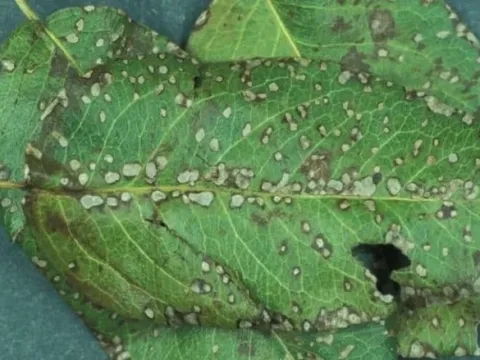
The most visible symptom of amycosphaerellosis is the development of characteristic leaf spots, which vary in shape and color depending on the host species.
Initially, the disease manifests as small chlorotic dots that gradually expand, turning into dark brown or necrotic patches over time.
Surrounding the necrotic areas, a pale halo often appears, reflecting the toxic effect of the fungal infection on the host's cellular integrity.
As the infection progresses, these spots coalesce, covering large portions of the leaf blade and leading to premature wilting and tissue death.
- Yellowing of tissue around the lesions
- Development of tiny black fruiting bodies (pycnidia/perithecia)
- Extensive leaf curling and premature abscission
The development of the disease is highly dependent on humidity levels and air temperature during the plant's active growing season.
Optimal conditions for spore germination include frequent rainfall and moderate temperatures that keep the leaf surface constantly moist.
Dense planting patterns that restrict airflow create a humid microclimate, significantly increasing the risk of rapid disease outbreaks.
Low light intensity also contributes to prolonged surface moisture on leaves, creating an ideal environment for the pathogen to thrive.
Peak disease activity typically coincides with wet, prolonged rainy seasons when spores are easily dispersed throughout the canopy.
The primary damage caused by amycosphaerellosis is the substantial reduction of photosynthetic capacity due to the loss of functional leaf area.
As the plant loses its ability to produce carbohydrates, it suffers from severe nutritional deficiencies, affecting both growth and fruit quality.
Severe infections can lead to fruit deformation and aesthetic damage, which significantly impacts the market value of the crop.
The premature loss of foliage weakens the plant's overall vigor, making it more susceptible to environmental stress and secondary infections.
Uncontrolled spread of the disease can result in massive yield losses, presenting significant financial risks for commercial growers.
Effective management begins with robust agronomic practices, such as proper pruning and spacing to improve canopy aeration and sunlight penetration.
Sanitation is crucial; infected plant debris must be removed and destroyed to reduce the local pool of fungal spores.
The application of systemic fungicides at the early onset of symptoms is a common strategy to suppress fungal mycelial growth.
Selecting and planting resistant crop varieties remains the most sustainable and cost-effective approach to long-term disease management.
Regular field scouting and targeted applications during high-risk periods help minimize the impact of the disease on total crop output.