
Amygdalaria athroocarpa
Amygdalaria athroocarpa
Description
Symptoms
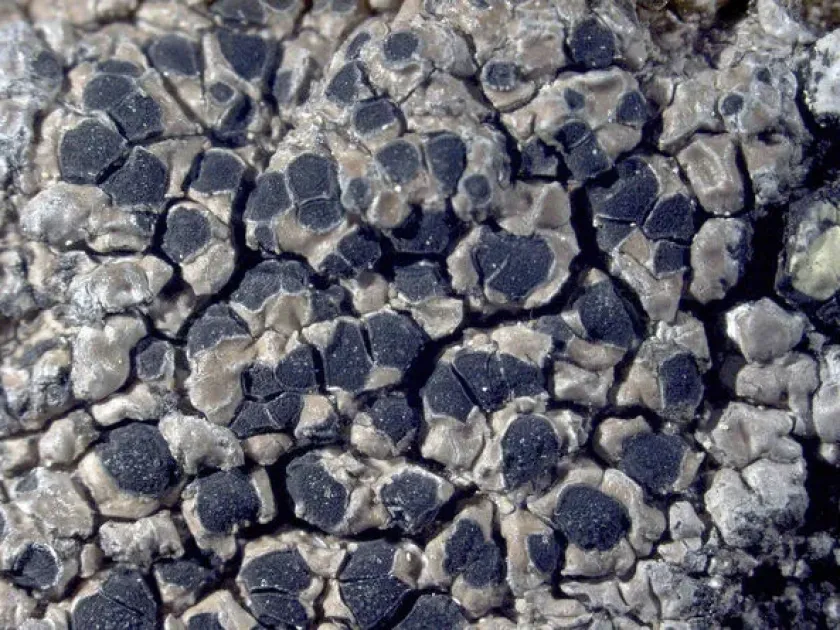
Amygdalaria athroocarpa is a crustose lichen species characterized by a hard, thin thallus that adheres tightly to rocky substrates.
The thallus color usually ranges from grey to brownish-grey, appearing as a crust that blends into the surrounding rock surface.
Key morphological features include apothecia, which are the reproductive structures that are typically immersed within the thallus.
The surface is often cracked or areolate, giving it a weathered look that is typical for many lichens found in alpine or arctic environments.
Due to its small size and slow growth rate, the lichen can be easily overlooked in field observations without specialized mycological training.
Pathogen
This organism is not a plant pathogen and does not cause any diseases in agricultural crops, orchards, or vegetable gardens.
It is a symbiotic association between an ascomycete fungus and green algae, living independently of plant hosts.
The fungus provides structural support and mineral absorption, while the algae supply necessary carbon through photosynthesis.
As an epilithic lichen, it derives its nutrients from atmospheric deposition and the weathering of rock surfaces, not from plant tissues.
Consequently, there are no pathological symptoms associated with this species regarding plant health or agricultural productivity.
Conditions for development
Amygdalaria athroocarpa thrives in cold, moist environments typical of high-latitude or high-altitude regions of the world.
It requires stable, unpolluted rock surfaces for long-term growth and is often used as a biological indicator of clean air quality.
Development is extremely slow, as the organism relies on limited metabolic activity during short periods of favorable weather conditions.
The species prefers habitats with high humidity and cool temperatures, which prevent desiccation and support the lichen's delicate structure.
Environmental stability is essential, as the lichen lacks the ability to migrate or recover quickly from physical disturbances to its substrate.
Discussion
No discussions yet — be the first.