
Amylocorticiaceae fungi
Amylocorticiaceae
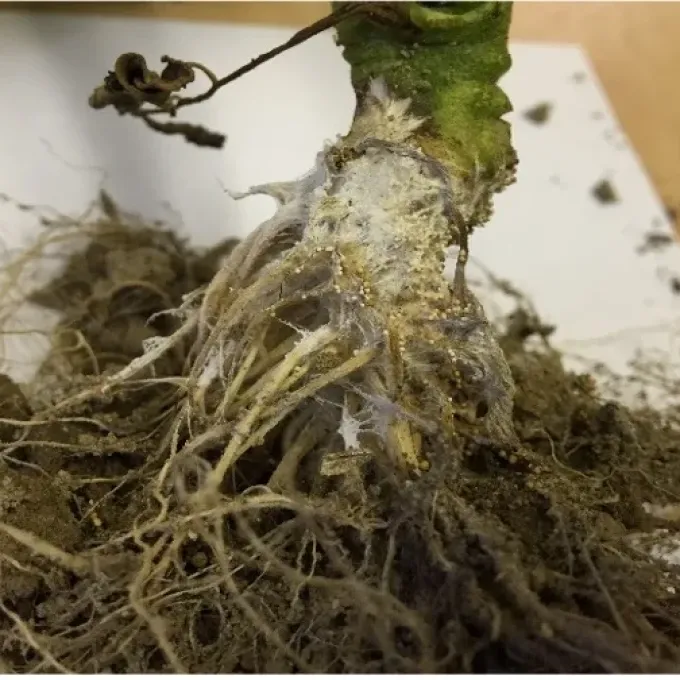
Description
Symptoms
The primary symptom is the appearance of flat, crust-like fruiting bodies on the trunk or branches. These are usually creamy, white, or yellowish in color.
Infected wood undergoes structural changes, losing its mechanical strength. It becomes brittle, fibrous, and prone to splintering under pressure.
Internal discoloration often occurs, with the wood turning lighter or developing abnormal patterns, signaling the advance of the fungal mycelium through the vascular system.
Bark peeling and cracking near the site of the fruiting bodies are visible signs of deep-seated wood degradation.
Advanced infection stages are marked by significant softening of the wood, which increases the risk of tree failure during storms or heavy winds.
Pathogen
The Amylocorticiaceae family belongs to the order Boletales. These fungi are specialized wood-decaying organisms often found in forest and garden ecosystems.
The pathogen is the fungus mycelium, which invades the woody tissues of trees. It utilizes specialized enzymes to break down tough organic polymers like lignin and cellulose.
These fungi are saprotrophic, meaning they derive nutrients from dead or decaying organic matter. However, they can opportunistically infect weakened living tissues.
Reproduction occurs through basidiospores produced on corticioid (crust-like) fruiting bodies. These bodies appear directly on the bark or wood surface.
Taxonomic identification of species within this family often requires careful microscopic study of spores and hyphae to distinguish them from similar fungal families.
Conditions for development
High humidity and consistent moisture on the wood surface are critical factors that promote the growth and spread of these fungi.
Moderate temperatures allow for optimal growth. Fungi thrive in sheltered, shaded areas where air circulation is poor and humidity remains trapped.
Injuries to the tree, including frost cracks, sunscald, or pruning wounds, serve as entry points for the fungal spores to colonize the tree's heartwood.
Accumulation of dead organic matter, such as stumps and fallen limbs, provides a constant source of inoculum that can infect nearby healthy trees.
Trees stressed by drought, poor nutrition, or lack of proper maintenance are significantly more susceptible to colonization by this pathogen.
Why it matters
The main harm caused by these fungi is the degradation of timber quality, making the wood unsuitable for construction or industrial use.
In orchards and landscapes, the infection results in the gradual dieback of limbs, reduced growth rates, and the eventual death of the affected trees.
Because the decay is often internal, infected trees can become safety hazards, posing a risk of sudden collapse without prior warning.
The fungal activity disrupts the internal transport of water and essential minerals, leading to overall plant decline and increased vulnerability to pests.
Economic damage is substantial, as it leads to the loss of valuable trees and necessitates costly removal and disposal of infected wood material.
Protection
Sanitation is the most effective control method. Promptly remove and dispose of all infected branches, stumps, and wood debris from the area.
Protect trees by immediately sealing and disinfecting any wounds or pruning cuts using professional-grade wound dressings or copper-based fungicides.
Maintain healthy growing conditions by ensuring proper air circulation and spacing between trees, which helps keep bark and wood surfaces dry.
Regular monitoring for fruiting bodies allows for early intervention before the internal wood decay becomes too severe to treat.
- Regular pruning of dead or diseased branches.
- Cleaning pruning tools to prevent the spread of spores.
- Keeping the orchard or forest floor clear of debris.
- Applying preventive fungicides to tree wounds.
Discussion
No discussions yet — be the first.