
Agrocybe molesta
Agrocybe molesta
Agrocybe molesta is a soil-borne basidiomycete fungus that is recognized by agronomists as a nuisance organism capable of causing significant damage to turfgrass health.
What the section contains
Agrocybe molesta
While primarily a saprotroph, it is notorious for interfering with the soil-plant interface, causing physiological stress to plants through mycelial expansion.
The fungus develops an extensive subterranean network of hyphae that permeates the soil, often disrupting the normal growth cycle of grasses.
It is biologically adapted to survive in various soil types, provided there is enough decomposing organic material to serve as a food source.
The organism is often overlooked until the emergence of its reproductive structures, which are clear indicators of a mature, established colony.
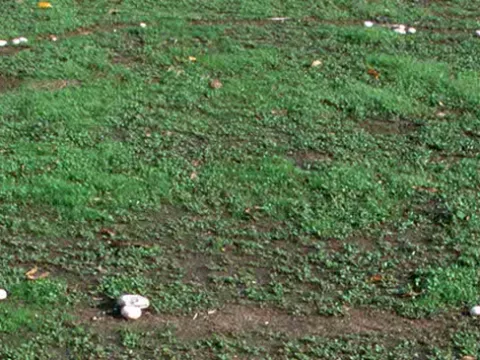
The most recognizable symptom of Agrocybe molesta infestation is the formation of 'fairy rings' on lawns, golf courses, and open fields.
These rings typically exhibit a zone of sparse, chlorotic, or necrotic grass caused by the fungus depleting the soil of moisture and nutrients.
In wet conditions, small brown mushrooms (the fruiting bodies) appear along the periphery of the rings, confirming the presence of the pathogen.
Soil hydrophobicity is a common sign within the affected area, where water fails to penetrate the compacted mycelial mat beneath the surface.
The ring's diameter may increase annually as the fungus expands its colony into new areas rich in organic matter.
Agrocybe molesta thrives in environments characterized by high moisture and an abundance of thatch or decomposing plant debris in the topsoil.
Warm temperatures coupled with high soil humidity create the perfect climate for rapid fungal proliferation and spore dispersal.
Compacted, poorly aerated soils provide a stable environment for the mycelium, protecting it from competition with beneficial microbes.
The fungus spreads via wind-borne spores or through contaminated tools and soil particles moved during maintenance operations.
Poorly managed turf with excessive thatch buildup acts as an ideal incubator for the development of this fungal species.
The primary economic impact involves the degradation of high-value landscapes and turfgrass, requiring costly remediation efforts.
The mycelial mat acts as a physical barrier to water, leading to localized dry spots that kill grasses regardless of irrigation efforts.
In agricultural settings, the fungus can create patches of uneven crop growth, affecting the overall uniformity and yield of the field.
Rehabilitating an infested area is time-consuming, often requiring soil amendment or complete turf removal to eliminate the fungus.
The visual impact of fairy rings renders lawns and recreational spaces unsightly, reducing their aesthetic and functional value.
Cultural management is the cornerstone of control, focusing on regular aeration to break up the mycelium and improve soil drainage.
Dethatching and reducing the accumulation of organic debris are critical preventative measures to limit the fungus's food source.
Improving soil moisture uniformity through wetting agents can help mitigate the effects of the hydrophobic soil caused by fungal growth.
While some fungicides are available, their effectiveness is limited; thus, they should be used in conjunction with rigorous cultural practices.
Maintaining a healthy, vigorously growing grass stand helps compete with the fungus and prevents the establishment of new colonies.