
Agrocybe cylindracea
Agrocybe cylindracea
Description
Symptoms
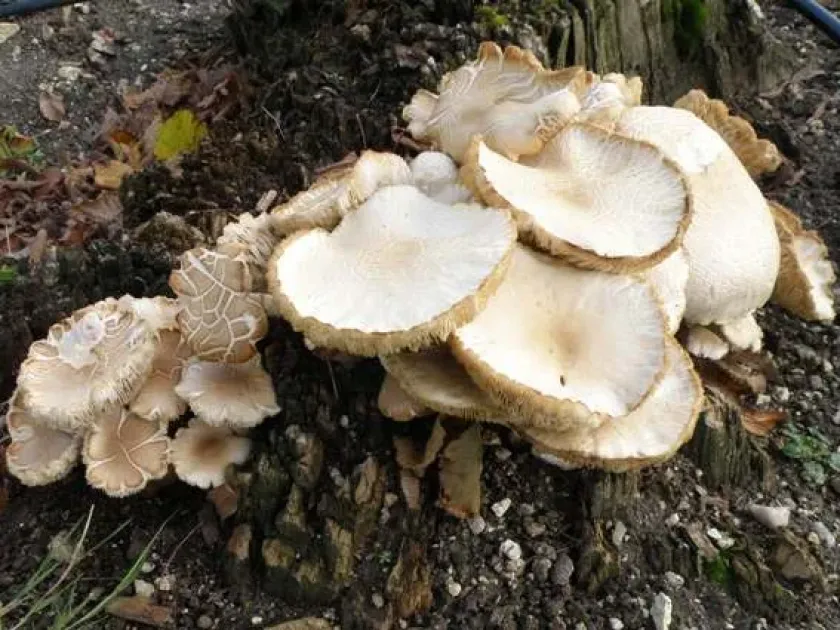
The most distinctive symptom of infection is the presence of clusters of mushroom fruiting bodies on the trunk or large limbs of a tree.
Internally, the infected wood turns soft, spongy, and develops a whitish discoloration, indicating active white rot development.
Affected trees display symptoms of canopy decline, including yellowing leaves, premature leaf drop, and dieback of the crown.
Structural integrity is significantly compromised, leading to the formation of hollow areas inside the trunk that pose a risk of mechanical failure.
Bark in the infected areas may become loose or peel off, signaling extensive underlying damage caused by the fungus.
Pathogen
Agrocybe cylindracea is a basidiomycete fungus from the Strophariaceae family, acting as a facultative parasite or a saprotroph in agricultural and forest environments.
The pathogen reproduces by releasing spores that invade trees through bark injuries, pruning cuts, or frost cracks in the trunk.
Once inside, the fungus develops a mycelium network that feeds on wood fibers, specifically targeting lignin and cellulose components.
It forms visible fruiting bodies on the surface of tree trunks, often appearing in clusters during periods of optimal moisture.
The biological activity of this fungus is directly tied to the degradation of woody tissues, which is vital for its survival as an opportunistic pathogen.
Conditions for development
High relative humidity and moderate temperatures are the most critical factors stimulating the growth and reproduction of this fungus.
Trees that have sustained physical injuries are highly susceptible to colonization, as the open wood provides an entry point for spores.
Poor aeration in dense orchard plantings or neglected garden areas promotes high spore density and rapid infection of surrounding trees.
Old stumps and decaying woody debris serve as primary reservoirs for the fungus, perpetuating the infectious cycle in the garden.
Environmental stress, such as drought followed by excessive moisture, weakens tree defenses, making them easier targets for fungal entry.
Why it matters
The primary damage is caused by the progressive destruction of the tree's internal conductive tissues, which eventually leads to death.
Productivity in fruit-bearing trees drops sharply as the plant loses the capacity to transport nutrients and water effectively.
Infected trees become safety hazards in landscapes, as their weakened internal structure makes them prone to collapse during strong winds.
The infection can spread to nearby healthy plants if proper sanitation practices are not implemented during the early stages.
The economic impact involves the loss of long-term investments in orchards and the high cost associated with the removal of hazardous trees.
Protection
Proactive management includes regular orchard inspection and the immediate treatment of any bark wounds with protective wound sealants.
Sanitation is key: all stumps, deadwood, and severely infected branches must be removed and destroyed to limit spore production.
Preventative pruning helps maintain tree vigor and ensures adequate airflow, which discourages the humid microclimate favored by the fungus.
Fungicidal applications to the trunks can act as a preventative measure to inhibit spore germination on vulnerable areas of the wood.
Maintaining optimal tree health through proper fertilization and watering increases natural resilience against wood-rotting pathogens.
Discussion
No discussions yet — be the first.