
Agrocybe acericola
Agrocybe acericola
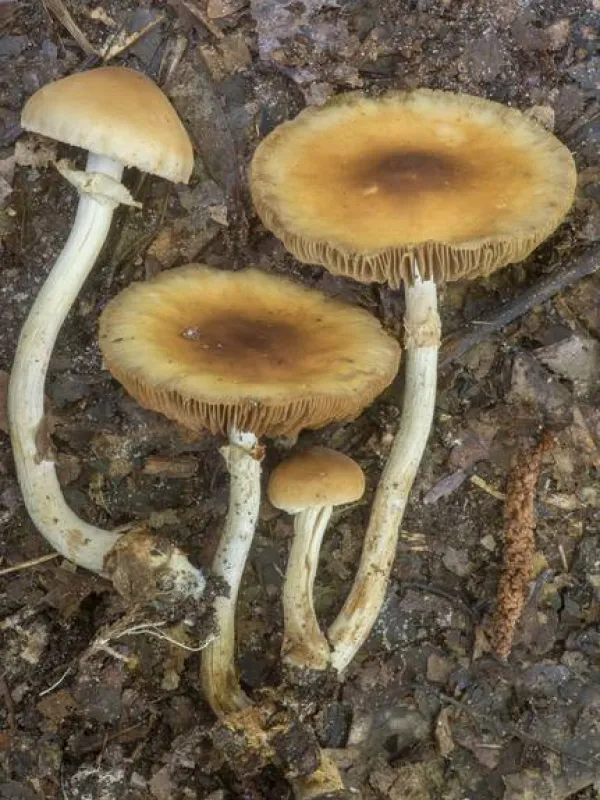
Description
Symptoms
The most visible symptom of an Agrocybe acericola infection is the emergence of fruit bodies on the trunk or branches. These mushrooms typically have ochre to brownish caps and often appear in clusters near mechanical injuries or cracks in the bark.
Internally, the wood exhibits clear signs of degradation, often changing color to a lighter shade and becoming soft or brittle. The structural density of the infected area decreases significantly, often resulting in hollow spots within the tree trunk.
The canopy of an affected tree often shows signs of stress, including premature leaf yellowing and thinning foliage. As the fungus interferes with water and nutrient transport, the growth rate of the tree slows significantly, and branches may die back.
The bark covering the infected areas may bulge, crack, or peel away easily when touched. This loss of physical integrity is a critical indicator that the underlying wood is no longer stable and is heavily decayed by the fungal mycelium.
In some cases, the infected area may weep sap or develop dark, necrotic lesions. These visual cues are reliable indicators of long-term infection, suggesting that the fungus has reached the tree’s vascular system and is causing systemic distress.
Pathogen
Agrocybe acericola is a wood-decay fungus belonging to the Strophariaceae family. Primarily acting as a saprotroph, it can exhibit parasitic traits by colonizing weakened deciduous trees, particularly those of the maple genus (Acer).
The fungus functions by decomposing wood components, specifically cellulose and lignin, through the secretion of specialized enzymes. This biological process leads to the structural degradation of the host tree’s internal tissues, effectively converting solid wood into a softer, decayed mass.
The fungus propagates primarily through spores, which are disseminated by wind or insects. When these spores land on wounded or vulnerable bark areas, they germinate, forming a network of mycelium that penetrates deep into the sapwood and heartwood.
The development of Agrocybe acericola is closely tied to the host's condition. It thrives in environments where tree vitality is compromised, making the trees unable to defend themselves against colonization by fungal hyphae.
In arboriculture and forestry, this species is recognized as a decay pathogen that signals underlying health issues within a tree. Its presence typically indicates that the internal integrity of the tree has been compromised, warranting monitoring or intervention.
Conditions for development
High humidity and consistent moisture are essential for the survival and spread of the fungus. Extended periods of rainy weather or environments with poor air circulation create the perfect microclimate for Agrocybe acericola to thrive.
Open wounds are the primary entry point for the pathogen. Damage caused by heavy machinery, harsh winter frosts, or improper pruning provides the necessary access for fungal spores to colonize the interior of the tree.
Tree stress, often resulting from nutrient deficiencies or inadequate soil moisture, increases susceptibility to fungal colonization. Healthy, well-nourished trees possess stronger chemical defenses that can limit the advancement of mycelial growth.
The ideal temperature for active growth ranges between 15°C and 25°C. During these conditions, the fungus actively expands its mycelial network, consuming the tree's internal resources more aggressively and weakening the tree's structure.
Dense planting or thick undergrowth can hinder air circulation, maintaining the high humidity levels that fungi prefer. Poorly managed orchards or parks are often more prone to infections because the stagnant air allows spores to settle and germinate more effectively.
Why it matters
The primary harm caused by Agrocybe acericola is the significant weakening of the tree's structure. As the wood decays, the tree loses its mechanical stability, creating a high risk of branch breakage or total tree failure during storms.
The infection leads to a decline in aesthetic and landscape value. In park and ornamental settings, an infected tree is not only a loss of beauty but also a significant safety hazard to the public and property nearby.
Physiological functions are severely impaired by the fungus. By destroying the conductive tissues responsible for transporting water and nutrients, the fungus causes the tree to slowly starve, leading to gradual decline and eventual death.
In nursery settings, the fungus can cause significant economic losses by rendering entire batches of maple seedlings unsuitable for sale. The spread of the fungus can be rapid if preventative measures are not taken early in the life of the nursery stock.
The weakened tree acts as a magnet for secondary pests, such as wood-boring insects. These pests often introduce additional pathogens, which accelerate the destruction of the tree and make the infection harder to manage through standard pruning.
Protection
Sanitary pruning is the most effective immediate measure. All infected wood must be carefully removed and destroyed. Tools used in this process must be sterilized with a disinfectant between each cut to prevent cross-contamination.
Managing mechanical injuries is vital to prevention. Applying horticultural wax or specialized wound dressings to fresh cuts or accidental damage prevents spores from colonizing the exposed wood and supports faster tissue recovery.
Maintaining high standards of arboricultural care ensures tree vigor. Proper irrigation, balanced fertilization, and avoiding soil compaction contribute to a robust immune system, allowing the tree to resist fungal attacks more effectively.
- Conducting regular inspections of trunk integrity and bark condition.
- Removing debris, dead leaves, and rotting wood from around the base of the trees.
- Applying preventive bio-fungicides to trees showing initial signs of vulnerability.
In cases of severe structural decay, the safest course of action is to remove the tree entirely, including the root system. This prevents the infection from spreading to nearby healthy trees through root contact or spore dispersal.
Discussion
No discussions yet — be the first.