
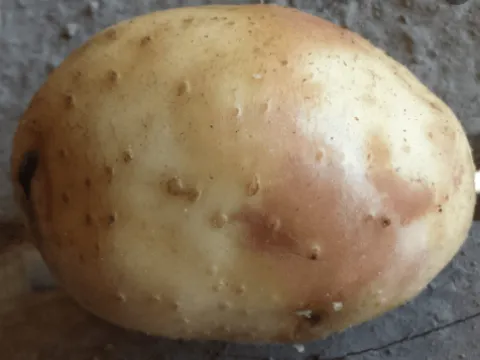
Pink eye of potato
Pseudomonas fluorescens
The causal agent of "Pink Eye" in potatoes is the bacterium Pseudomonas fluorescens. It is a Gram-negative, rod-shaped bacterium known for its ability to produce fluorescent pigments.
What the section contains
Pink eye of potato
This organism is widely distributed in soil and the rhizosphere, where it exists as a common inhabitant, often acting as a commensal or an opportunistic pathogen.
The identification of the pathogen is confirmed through laboratory testing where the presence of the fluorescent pigment under ultraviolet light is a key diagnostic factor.
While often considered a beneficial bacteria in certain agricultural contexts, under specific environmental stress, it transitions to a pathogenic state causing tuber breakdown.
The bacteria gain entry into potato tubers primarily through natural openings like lenticels and eyes, as well as via mechanical wounds caused during cultivation or harvest.
The most distinctive symptom is the development of a pinkish discoloration on the skin surrounding the eyes of the potato tuber, which gives the disease its common name.
When the tubers are cut open, the internal tissue often appears granular, water-soaked, and may shift in color toward a light cream or yellowish hue.
As the infection progresses, the integrity of the tuber tissue is compromised, leading to a breakdown of the structural components and increased susceptibility to secondary rots.
Unlike some other bacterial rots, "Pink Eye" does not always present with a strong offensive odor in the early stages, making it harder to detect without careful inspection.
- Pink skin discoloration around the eyes of the tuber.
- Internal tissue breakdown and granular appearance.
- Water-soaked spots that may spread under the skin.
- Softening of the tissue without an initial pungent decay.
The development of Pink Eye is heavily influenced by soil moisture levels; high moisture content and waterlogged conditions are primary drivers of infection.
Temperature plays a crucial role, with moderate to warm conditions (15-22°C) significantly accelerating the bacterial colonization process within the tuber tissue.
Poor drainage in fields and inadequate ventilation in storage facilities are critical factors that promote the spread of the bacterium from infected to healthy tubers.
Mechanical damage to tubers at harvest time provides easy pathways for the bacteria, significantly increasing the likelihood of post-harvest rot development.
Continuous cropping of potatoes without sufficient rotation cycles leads to a build-up of the bacterial population in the soil, raising the risk for subsequent seasons.
The primary economic impact of Pink Eye is the significant reduction in the marketability of potato tubers due to their poor aesthetic appearance and structural integrity.
Infections can cause substantial losses during storage, as contaminated tubers often deteriorate rapidly, creating conditions for other opportunistic fungi and bacteria.
The quality of potatoes intended for processing, such as for chips or starch, is severely degraded by the enzymatic changes caused by the bacterial infection.
Using infected tubers as seed potatoes severely impacts the success of the next crop, resulting in poor emergence and a higher incidence of disease in the field.
Farmers face financial strain from the necessity of culling large batches of harvested product that do not meet consumer standards due to visible skin defects.
Implementing a strict crop rotation program, where potatoes are grown in the same field only once every three to four years, is essential for reducing soil inoculum.
Proper harvest management, including ensuring the ground is not excessively wet and minimizing tuber damage, is fundamental to reducing infection entry points.
Adequate drying and curing of tubers immediately after harvest, combined with temperature-controlled storage, can significantly inhibit the progress of the disease.
Integrated pest management strategies focusing on reducing soil insects that wound the tubers help lower the incidence of secondary bacterial entries.
Regular sanitation of storage equipment and the selection of certified disease-free seed stock are critical components of a successful disease prevention strategy.