
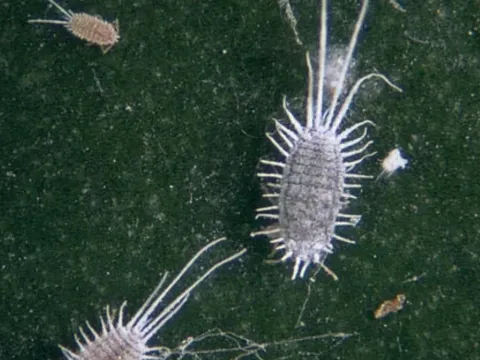
Paracoccus mealybug
Paracoccus
The Paracoccus genus of mealybugs is a significant threat to various agricultural, horticultural, and ornamental plant species worldwide, belonging to the Pseudococcidae family.
What the section contains
Paracoccus mealybug
These pests are characterized by their small, soft bodies covered in a white, powdery wax secretion, which makes them difficult to eliminate with standard pesticides.
The life cycle involves several nymphal stages that are mobile, allowing the pest to spread across the host plant, and an adult stage where females become largely sessile.
Unlike many other pests, Paracoccus species are often capable of colonizing not only the foliage and stems but also the root systems of the plants.
Due to their high reproductive rate and effective defense mechanisms, these insects can establish massive colonies in a relatively short period, causing severe damage to host plants.
The most distinctive symptom is the appearance of white, cotton-like masses in leaf axils, on young shoots, and at the base of the plant stem.
Affected plants often show chlorosis, stunted growth, leaf curling, and premature leaf drop, which significantly impacts the aesthetic and biological value of the host.
The secretion of honeydew by the mealybugs encourages the growth of sooty mold, which appears as a black, velvety layer covering the surfaces of the leaves.
Flower bud distortion and fruit drop are common indicators of severe infestation, leading to substantial yield losses in orchards and greenhouse vegetable crops.
Infested roots, when examined, may show white, waxy deposits and localized necrosis, causing the plant to lose turgor and decline rapidly without an obvious cause on the foliage.
Paracoccus thrives in warm, humid conditions, making greenhouses and tropical indoor environments primary targets for persistent infestations.
Optimal temperatures for development range from 22 to 30 degrees Celsius, allowing for continuous year-round breeding in protected cultivation systems.
Over-fertilization with nitrogen can exacerbate the problem by stimulating succulent plant growth, which is highly preferred by the mealybugs for feeding.
Poor ventilation and high plant density are major risk factors that facilitate the rapid spread of the pest from one plant to another within the same area.
Ants are frequently associated with Paracoccus infestations; they protect the mealybugs from natural predators in exchange for the honeydew, effectively acting as transport agents.
Direct damage occurs as the mealybugs feed on phloem sap, depleting the plant of essential nutrients and disrupting its physiological processes.
The injection of toxic saliva during feeding leads to metabolic disorders, resulting in deformed growth, tissue necrosis, and overall plant decline.
Sooty mold growth on honeydew blocks light absorption, which severely limits the plant's photosynthetic capacity and weakens its ability to recover from the infestation.
Economic damage is substantial, particularly in ornamental nurseries where the presence of the pest leads to strict quarantine measures and high costs for product disposal.
Long-term infestation without proper intervention often leads to the death of the plant, necessitating the total removal and destruction of the affected crop.
Effective management requires an integrated pest management (IPM) approach that combines regular monitoring, sanitation, and targeted control measures.
Biological control using specific natural enemies like predatory lady beetles (e.g., Cryptolaemus montrouzieri) or parasitic wasps is often highly successful in controlled environments.
Chemical control should rely on systemic insecticides that can reach the pest in its hidden locations, though rotation is essential to prevent the development of insecticide resistance.
Cultural practices, such as maintaining optimal plant vigor, preventing overcrowding, and ensuring prompt removal of infested plants, are crucial for prevention.
- Use yellow sticky traps for early detection
- Implement strict quarantine protocols for new plant material
- Manage ant populations to reduce the spread of mealybugs
- Prune and destroy heavily infested plant parts
- Regular cleaning of greenhouse structures and tools