
Nostocaceae
Nostocaceae
Nostocaceae are a family of cyanobacteria capable of photosynthesis and nitrogen fixation. While they are a natural part of many ecosystems, their rapid proliferation in nursery substrates and greenhouse soils is considered an agronomic nuisance.
What the section contains
Nostocaceae
These organisms are not direct plant pathogens, but their aggressive growth patterns form a biological barrier that creates a hostile environment for tender seedlings and young plants.
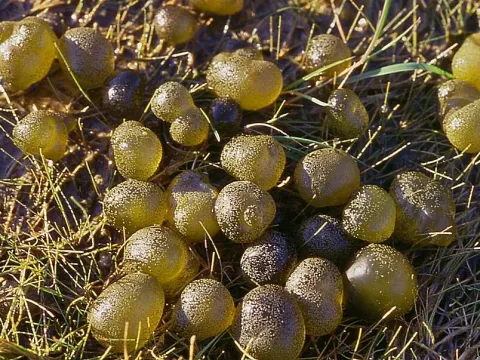
Nostocaceae are characterized by the production of extracellular mucilage, creating gelatinous colonies. This structure allows them to survive in harsh conditions and quickly colonize wet surfaces.
They are often misidentified as moss or fungal mold. However, their slimy, rubbery texture and the fact that they turn into a brittle, dark crust when dry distinguishes them from other surface growths.
Because they are capable of fixing atmospheric nitrogen, they can thrive even in nutrient-poor environments if moisture and light are available, outcompeting young crops for surface resources.
The first indicator of a Nostocaceae infestation is the appearance of dark green, olive, or blue-green slippery patches on the surface of the soil or growing medium.
In moist conditions, these colonies manifest as a jelly-like mass that may coat the base of stems and the top layer of the potting mix, causing visible surface discoloration.
As the soil surface dries out, the algae colonies harden into a tough, leathery, or brittle black crust. This crust is impermeable to air and water, creating a barrier for roots.
Plants affected by these algae often display signs of nitrogen deficiency or hypoxia, such as stunted growth, yellowing of lower leaves, and poor root development.
If left unmanaged, the slimy growth can trap excessive moisture against the plant stems, significantly increasing the risk of damping-off and crown rot diseases.
The primary driver for Nostocaceae development is high surface moisture combined with inadequate drainage. Constant wetness at the soil surface is the most critical factor.
Light availability is essential for these photosynthetic organisms. Greenhouse environments, particularly those with bright, indirect light and high humidity, provide the perfect habitat for rapid colonization.
Poor ventilation and airflow within the greenhouse prevent the surface of the growing media from drying out, which creates a stable, favorable environment for continuous algal expansion.
Excessive fertilization, particularly high phosphorus levels in the irrigation water or growing media, provides a surplus of nutrients that stimulates the bloom of these cyanobacteria.
Ambient temperatures between 20°C and 30°C are optimal for the metabolic and reproductive processes of Nostocaceae, making springtime the most common season for algae outbreaks.
The most significant danger posed by Nostocaceae is the creation of an airtight crust that deprives the root zone of necessary oxygen, causing severe physiological stress to seedlings.
The algae compete with seedlings for vital minerals and water in the upper layer of the soil, slowing down the development of the root system and overall plant growth.
By retaining moisture at the surface, the colonies create a micro-environment that encourages the growth of pathogenic fungi and bacteria, leading to various types of rot.
The modification of soil pH caused by the metabolism of cyanobacteria can interfere with the nutrient uptake of plants, further exacerbating the impact of the infestation.
A heavy algal growth degrades the quality and aesthetic appearance of the produce, which is particularly detrimental for commercial plant nurseries and ornamental plant growers.
Improving water management is the most effective control method. Allowing the soil surface to dry out sufficiently between waterings significantly reduces the viability of algae colonies.
Applying a layer of coarse, sterile sand, perlite, or grit on top of the soil prevents light from reaching the algae, effectively inhibiting their growth through mechanical shading.
Increasing greenhouse ventilation and airflow is essential to keep the surface of the growing media dry and to lower the overall humidity levels in the growing area.
Mechanical removal of the upper layer of the substrate during the early stages of infestation can help reduce the population density and prevent the spread to healthy plants.
In extreme cases, the use of approved algaecides or copper-based fungicides can be considered, provided they are safe for the specific crops being grown and applied according to the manufacturer's instructions.