
Nostoc linckia
Nostoc linckia
Nostoc linckia is a type of filamentous cyanobacteria that often colonizes the surface of moist soils and growing substrates.
What the section contains
Nostoc linckia
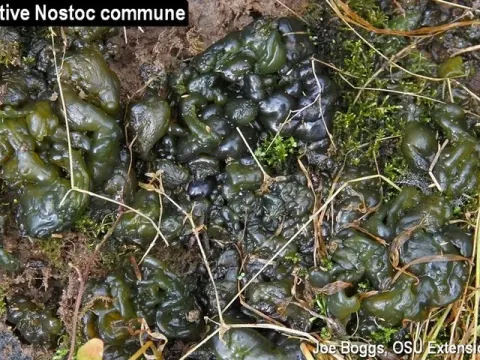
It exists as gelatinous colonies composed of filaments encased in a mucilaginous sheath, giving it a characteristic slimy appearance.
While not a direct plant parasite, it acts as an opportunistic colonizer that competes for space and alters the soil's surface microenvironment.
These organisms are capable of nitrogen fixation and can survive unfavorable conditions by forming specialized dormant cells known as akinetes.
In agricultural settings, Nostoc linckia is often viewed as a sign of poor soil management, specifically regarding moisture control and irrigation practices.
The primary symptom is the appearance of dark green, jelly-like patches or slimy crusts on the surface of the soil in pots or seedbeds.
When the substrate dries out, the colonies shrivel into brittle, dark, crust-like structures that bond tightly to the soil surface.
Presence of these mats often results in restricted growth of young seedlings, which may appear chlorotic or stunted due to poor aeration.
The slime covering can become quite thick under high humidity, creating a physical seal over the soil surface.
In severe cases, the entire surface of a seed tray may become covered in a blue-green layer, hindering the normal development of the plant root system.
Development is heavily favored by prolonged surface moisture and high light availability, which are common in greenhouse environments.
Poorly aerated, compacted soil surfaces provide the stability needed for Nostoc linckia colonies to establish and expand rapidly.
High nutrient levels, particularly phosphorus, in the irrigation water or substrate can act as a significant growth stimulant for cyanobacteria.
Lack of proper ventilation in covered structures leads to localized high humidity, creating an ideal microclimate for colony reproduction.
The use of overhead irrigation in a way that keeps the top layer of soil constantly wet is the most significant environmental driver of the bloom.
The primary damage is the creation of an impermeable surface crust that prevents oxygen from reaching the plant roots, often causing root suffocation.
Excessive moisture retention by the cyanobacterial mats fosters the growth of harmful damping-off fungi and other pathogens.
These colonies compete with crop plants for water and minerals located in the top layers of the soil, potentially limiting early development.
The aesthetic value of ornamental plants is significantly reduced when the soil surface is covered in unsightly green slime.
Dense mats may act as a mechanical obstacle, making it difficult for delicate seedlings to emerge properly from the soil.
Effective management begins with strict control of irrigation, ensuring the top layer of the soil has sufficient time to dry between waterings.
Regular cultivation or stirring of the topsoil layer disrupts the colony structure and is highly effective at preventing establishment.
Improving greenhouse ventilation and airflow helps reduce surface humidity and creates conditions less favorable for cyanobacterial growth.
In instances of severe colonization, removing the top layer of the contaminated substrate and replacing it with fresh medium is recommended.
- Use coarse sand or gravel mulching to prevent light from reaching the soil surface.
- Maintain proper drainage to ensure water does not accumulate in pots or trays.
- Monitor phosphorus levels in fertilizers to prevent excessive nutrient enrichment of the soil surface.
- Sterilize growing tools to avoid spreading cyanobacterial fragments to new trays.