
Nostoc
Nostoc
Nostoc is a genus of cyanobacteria (blue-green algae) characterized by its ability to form gelatinous, often spherical or irregular colonies. While it is not a traditional plant pathogen, its presence in greenhouses and nursery beds can pose significant agricultural challenges.
What the section contains
Nostoc
These organisms are unique for their ability to fix atmospheric nitrogen, which allows them to survive and thrive even in nutrient-poor substrates, provided there is enough light and moisture.
Nostoc colonies contain a thick, mucilaginous sheath that protects them from desiccation. This adaptation allows the organism to survive periods of drought by entering a dormant state, only to reactivate once moisture is reintroduced.
In a biological sense, Nostoc acts as a colonizer. It can rapidly occupy surface areas where the micro-environment is undisturbed and constantly damp, often outcompeting other soil microflora.
While Nostoc itself does not actively infect plant tissues, its physical presence drastically alters the soil surface conditions, creating a hostile environment for germination and root development.
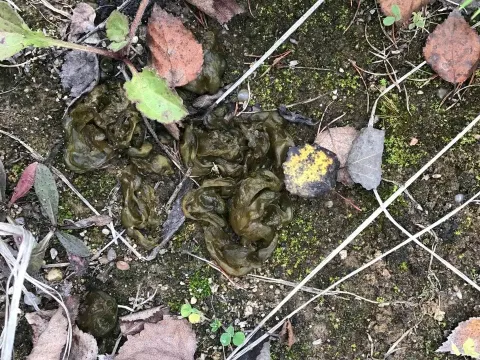
The primary symptom of Nostoc presence is the sudden appearance of dark green, olive, or black gelatinous blobs or patches on the soil surface after rainfall or heavy watering.
During dry spells, these colonies shrink and turn into dark, hard, brittle crusts that look like dried scales. They are easily distinguishable from the surrounding soil by their shiny or leathery texture.
In greenhouse settings, Nostoc often forms a continuous slimy mat on the surface of potting soil or propagation trays, preventing proper drainage and aeration.
Affected seedlings may show signs of yellowing, wilting, or stunted growth, resulting from the lack of oxygen reaching the roots and the physical restriction caused by the algal crust.
A distinctive smell, often earthy or musty, frequently accompanies mass outbreaks of Nostoc in closed or damp cultivation environments.
Nostoc thrives in environments characterized by persistent surface moisture combined with high light exposure. Without moisture, the organism's active vegetative growth is effectively halted.
Poor soil drainage and soil compaction are the most critical environmental drivers for Nostoc colonization. Standing water on the surface provides the ideal habitat for growth.
High relative humidity and poor ventilation in greenhouses create favorable conditions for the rapid spread of cyanobacteria across flat surfaces.
The presence of excess soluble nutrients, particularly phosphorus and nitrogen, in the topsoil layer can stimulate the growth of Nostoc colonies beyond their normal levels.
Shaded areas that remain permanently damp are also prone to Nostoc, although the most intense growth occurs in areas receiving direct or diffuse light.
The primary damage caused by Nostoc is the creation of a physical barrier on the soil surface. This mucus layer is nearly impermeable to air and water, leading to root suffocation.
The persistent moisture trapped under the Nostoc mat serves as a breeding ground for various fungal pathogens and decay bacteria, which can then infect the plant roots.
For seeds and young seedlings, the hardened crust of dried Nostoc can act as a physical cage, preventing emergence and causing high mortality rates in propagation trays.
The accumulation of Nostoc can lead to nutrient imbalances in the rhizosphere, as the organism actively participates in nitrogen cycling, which may interfere with plant-specific uptake.
Economic damage manifests as reduced crop uniformity and increased losses of young seedlings, necessitating additional labor for cleaning and replacing contaminated soil.
Management starts with optimizing irrigation practices to allow the surface of the soil to dry out between watering sessions, which effectively interrupts the Nostoc growth cycle.
Regular cultivation or stirring of the topsoil is highly effective at destroying the mucilaginous colonies and exposing them to drying, which kills the organism.
In greenhouse beds, applying a layer of dry sand or fine gravel can create a surface barrier that prevents the soil from staying wet, making it uninhabitable for Nostoc.
Improving drainage and ventilation in growing areas will significantly lower the incidence of cyanobacterial outbreaks by reducing humidity and surface saturation.
If chemical intervention is required, specialized algaecides or copper-based compounds may be used, provided they are compatible with the specific crop species and local regulatory guidelines.